Texas keeps selling itself as the land of cheap power, light-touch regulation, and big ambition. Now, the crypto industry is testing whether that pitch can buy something even more valuable than electricity: political protection.
What You Should Know
An April 24th, 2026, Axios report spotlighted how Texas Republicans are courting the crypto industry, with financier Howard Lutnick appearing in the mix. The same moment is also drawing sharper federal attention to digital-asset risks, taxes, and compliance.
The central tension is simple. Texas can offer a welcome mat, but Washington still writes many of the rules that decide whether crypto booms, limps, or lands in court.
Texas Wants the Money, and the Leverage
Axios pointed to a familiar political trade: candidates and donors circling each other with a shared vocabulary of innovation, freedom, and growth. The quiet subtext is power. If Texas becomes the industry’s preferred headquarters, it also becomes a louder voice in the policy fight.
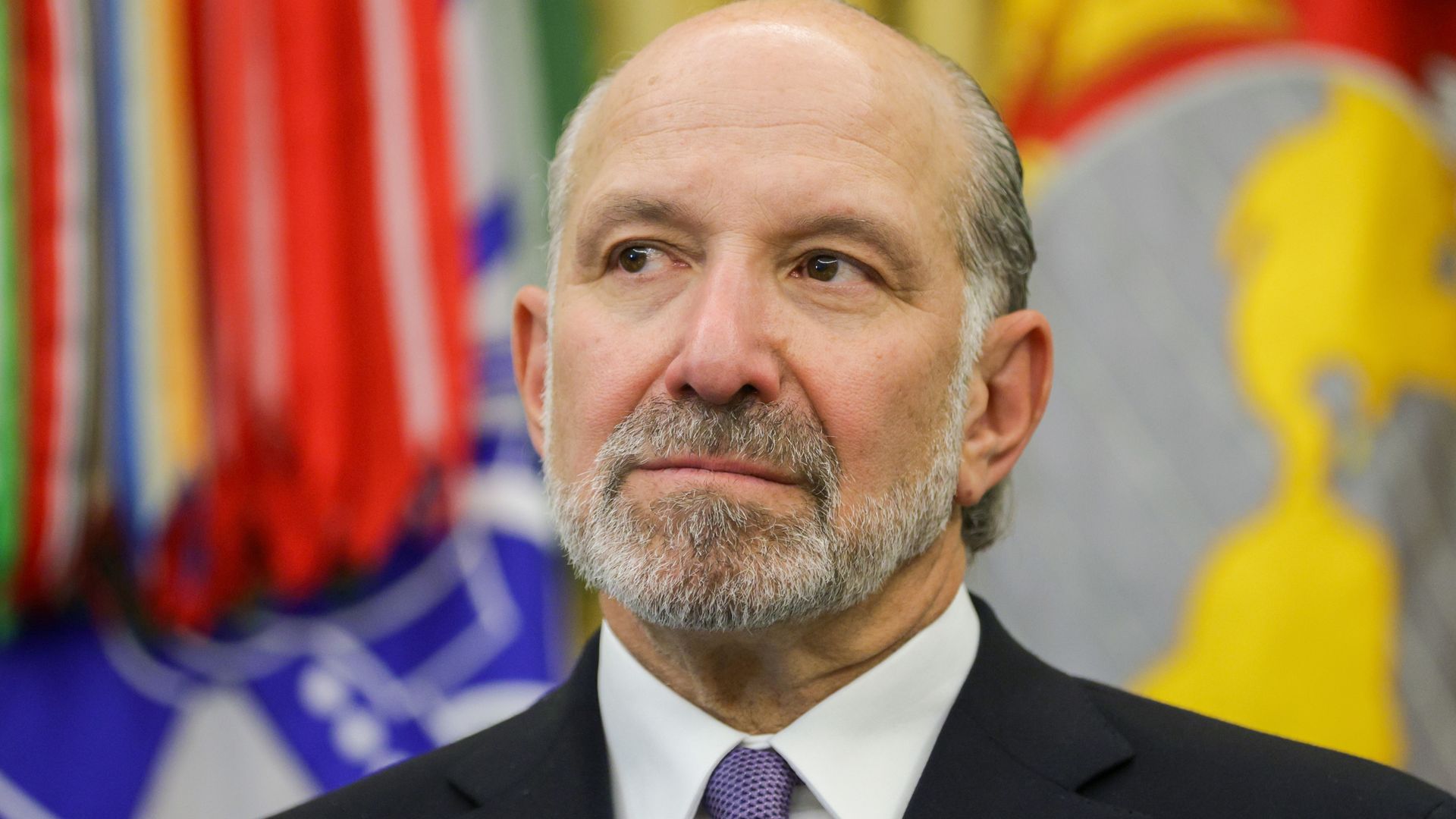
Lutnick, best known as the CEO of Cantor Fitzgerald, is a useful symbol in that push. When high-profile finance names show up around crypto, it signals a bid to make the industry look less like a niche obsession and more like an establishment asset class with friends in the right rooms.
Washington Writes the Rules, Texas Sells the Welcome Mat
State leaders can shape business conditions, but crypto lives or dies on federal guardrails that affect exchanges, stablecoins, banking access, and enforcement. That is why a Texas-first pitch still ends up aimed at agencies and lawmakers far from Austin.
The federal posture has not been subtle. In a March 9th, 2022, executive order, the White House said, “My Administration places the highest urgency on research and development efforts into the potential design and deployment options of a United States CBDC.” Even without naming Texas, the message is that the federal government is thinking about digital money as a national power issue, not a local experiment.
Then there is the unglamorous part: taxes. The IRS has long warned that virtual currency transactions can trigger reporting obligations, a reality that collides with the industry’s marketing of frictionless finance and the political promise of hands-off oversight.
What Happens if the Crypto Bet Goes Sideways
For politicians, crypto money can look like found fuel, especially when campaigns are expensive and traditional donors are already spoken for. The risk is that crypto is not just a donor class. It is an industry with a habit of producing sudden collapses, enforcement headlines, and furious retail investors.
That leaves Texas Republicans with a balancing act. They can champion a pro-business brand and attract high-dollar allies, but they also inherit the reputational downside when a coin tanks, a platform freezes withdrawals, or a federal complaint turns the word “innovation” into Exhibit A.
What to watch next is less about slogans and more about receipts: which Texas officials take which meetings, what policy language shows up in bills and party platforms, and whether national figures like Lutnick keep appearing as the industry tries to turn state-level access into federal influence.