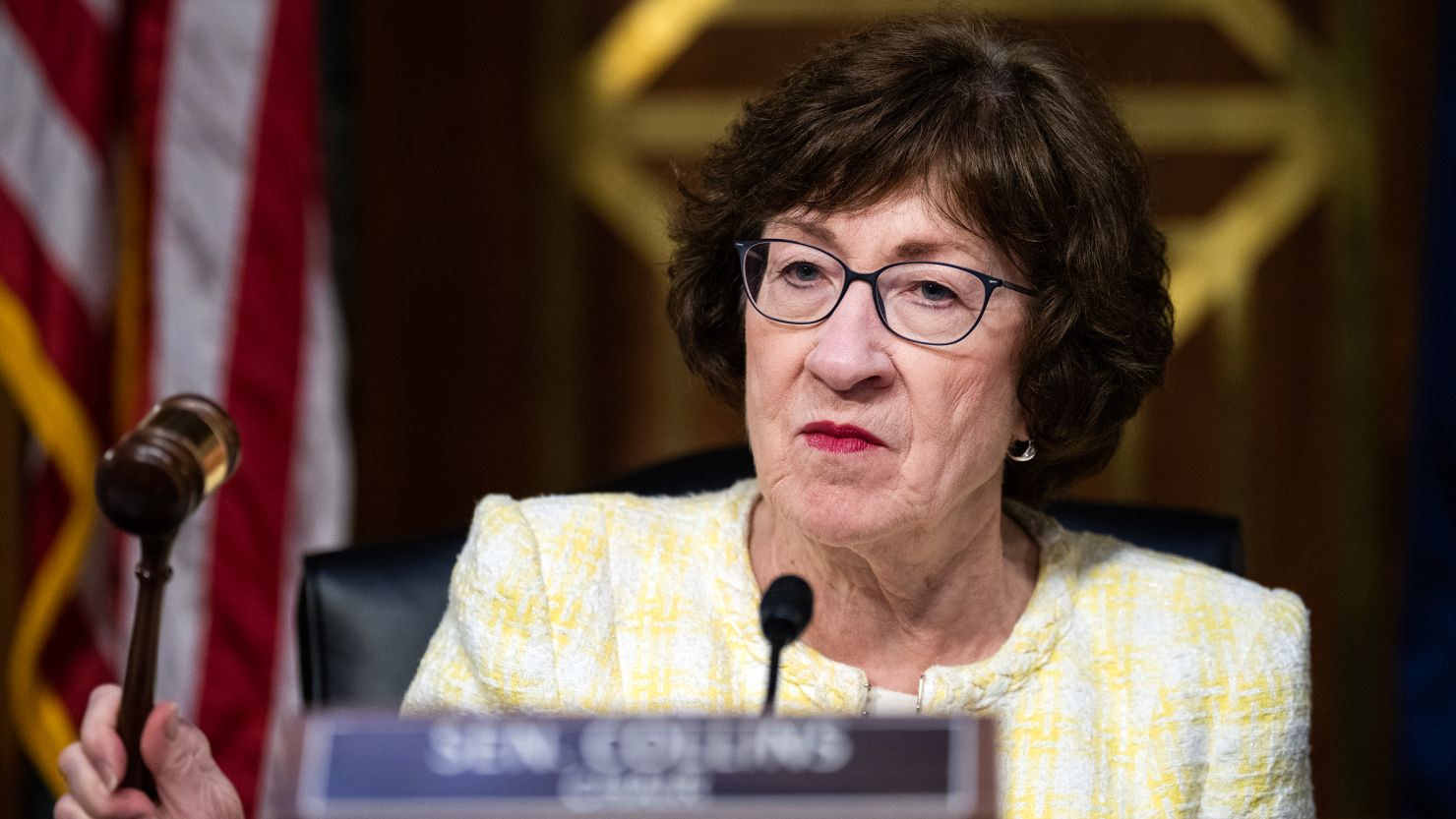
The White House can roll out a budget like a power move, but the Senate has a habit of turning those glossy numbers into a long, public negotiation. This time, one of the people holding the stopwatch is Sen. Susan Collins.
What You Should Know
Presidents propose budgets, but Congress controls federal spending through appropriations bills. In the Senate, senior appropriators can press cabinet officials for details, delay timelines, and shape what survives and what gets cut.
A budget request is not a law, and it does not spend a dollar on its own. It is a political blueprint that still has to pass through committees, floor votes, and a Senate that runs on leverage.
That is where Collins, a Maine Republican with deep ties to the appropriations process, becomes a problem for any White House trying to govern by headline. When appropriators ask for specifics, agencies and their leaders, not just the president, get pulled into the fight.
Collins Holds the Leverage Where the Money Lives
Appropriations is where must-pass meets made-for-TV. If the Senate is not satisfied with the administration’s justifications, it can squeeze: hearings, line-item demands, reporting requirements, and delays that raise the risk of a continuing resolution or a shutdown standoff.
Collins’ influence is not about viral sound bites. It is about process power, the ability to rally other senators who want protections for home-state priorities, and the quiet threat of withholding the votes needed to move spending bills.
When Cabinet Officials Become the Messengers
One of the fastest ways to make a budget political is to make it personal. When cabinet secretaries and agency heads are asked to defend cuts or program changes, lawmakers can pin unpopular details on named officials, not just on the president’s talking points.
No Money shall be drawn from the Treasury, but in Consequence of Appropriations made by Law.
That line from the U.S. Constitution is the blunt reality behind all the spin. Even a president with party allies in Congress still has to deal with legislators who can demand answers in public before they sign off in private.
The Clock Is the Weapon, and the Senate Knows It
The closer Congress gets to funding deadlines, the more any unresolved budget fight turns into a test of stamina. If the Senate drags, the House can get boxed in, agencies start planning for uncertainty, and the White House faces a choice between compromise and a high-stakes gamble.
For Trump, the next tell is not the budget document itself. It is whether his cabinet officials are willing, and able, to sell the details under oath, under cameras, and under Senate pressure.