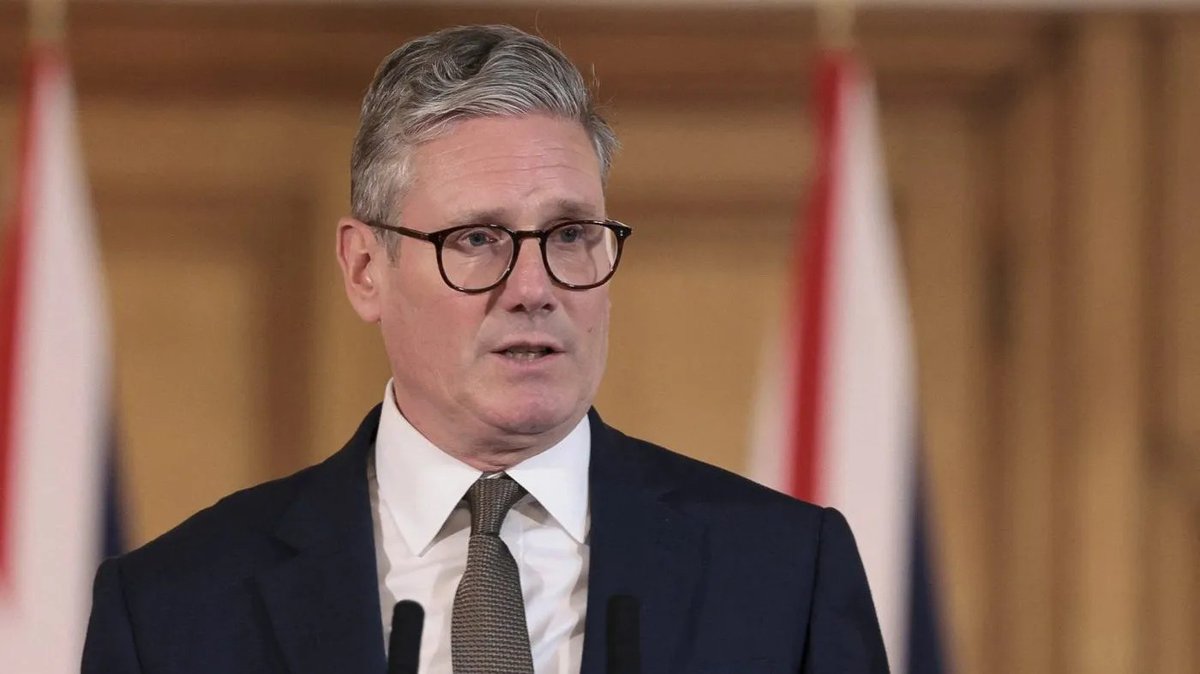
Keir Starmer did not pick a complicated message. When it comes to NATO troops who served in Afghanistan, the British prime minister is drawing a bright line, and he is drawing it against President Trump.
In a PBS NewsHour news wrap, Starmer is described as calling Trump’s comments about NATO troops serving in Afghanistan “insulting” and “appalling.” The segment did not spell out the exact phrasing Trump used. It did, however, capture the power move Starmer made in response: he took a dispute that could have stayed behind closed doors and put it in the public lane.
🌍 BREAKING: Keir Starmer blasts Trump’s remarks on NATO troops in Afghanistan as “insulting and frankly appalling”! The UK PM hits back hard.
Source: BBC World pic.twitter.com/jSusOnhy5B
— GTrend Backup (@GTrendsNow2) January 23, 2026
That is the real story here. Not just what was said, but why a UK prime minister would risk friction with the leader of the country’s most important ally in order to defend a NATO talking point most politicians prefer to avoid: Afghanistan is still a raw subject, and the record is messy for everyone.
A Very Specific Kind of Insult
Starmer’s language matters because it is targeted. He is not described as attacking Trump’s policy. He is described as attacking Trump’s treatment of troops from allied countries who deployed and fought alongside the U.S. in Afghanistan.
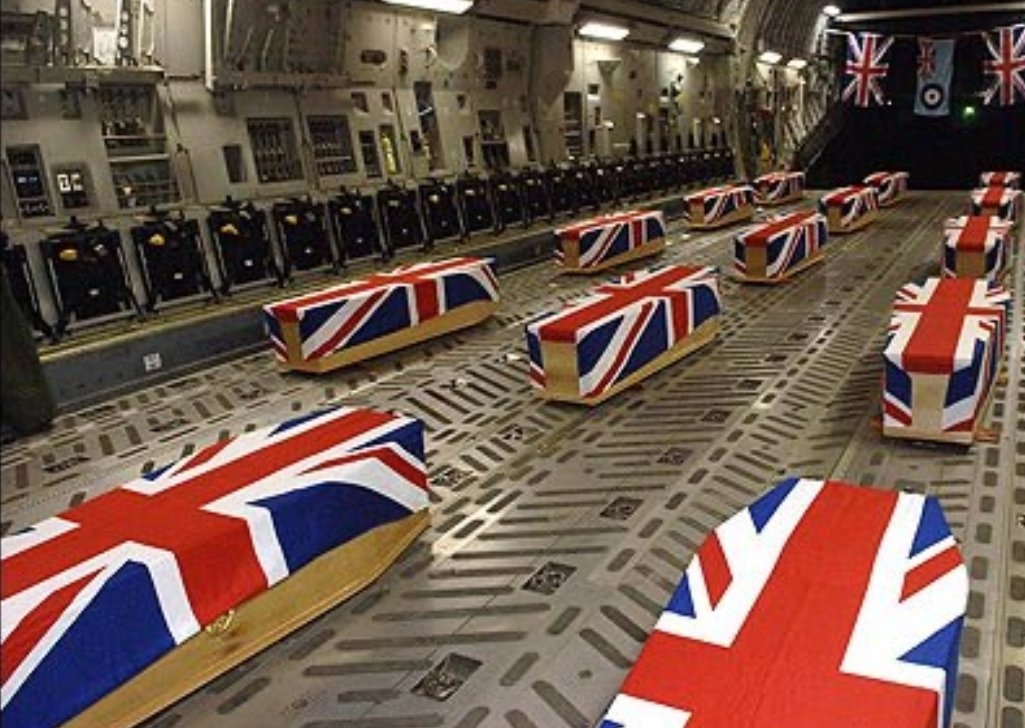
That distinction is not rhetorical fluff. Criticizing an alliance is one thing. Dismissing the service of allied soldiers is another. For a UK leader, it is also a political third rail. British forces served in Afghanistan for years, and the conflict left lasting scars on military families and a public that watched the war stretch on and on.
So when Starmer uses words like “insulting” and “appalling,” he is signaling that the argument is not just about NATO budgets or burden sharing. It is about status, sacrifice, and whether the U.S. is treating allied contributions as assets or as annoyances.
The Pressure Play Behind the Rhetoric
Trump has a long track record of using public confrontation as leverage with allies, especially inside NATO. The tactic is familiar: force an issue into the open, make it personal, and dare the other side to respond. The result is usually a split-screen of leaders defending themselves while Washington sets the terms of the conversation.
Starmer’s rebuke suggests he believes silence would cost more than blowback. If a UK prime minister lets a slight to allied service members slide, he risks looking weak at home and unserious in European capitals that still treat NATO as the cornerstone of security policy.
#British Prime Minister Keir Starmer has singled that #US President Donald #Trump should #apologize for his false assertion that troops from non-U.S. #NATO countries avoided the front line during the #Afghanistan war, describing Trump’s remarks as “insulting” and “appalling.” pic.twitter.com/MaMfXquapq
— Edward (@Eease11) January 23, 2026
But if he punches back, he risks something else: reducing his influence with a U.S. president who tends to reward loyalty and punish public resistance.
That is the bind. And it is why the lack of detail in the PBS wrap is almost beside the point. Even without a full transcript in front of readers, the confrontation tells you both sides think the stakes are worth the fight.
Afghanistan Is Where Alliances Go to Get Audited
Afghanistan is not a clean symbol for anybody. It is where slogans about unity collide with the math of casualties, the politics of withdrawal, and the ugly reality that coalition warfare spreads both the risk and the blame.
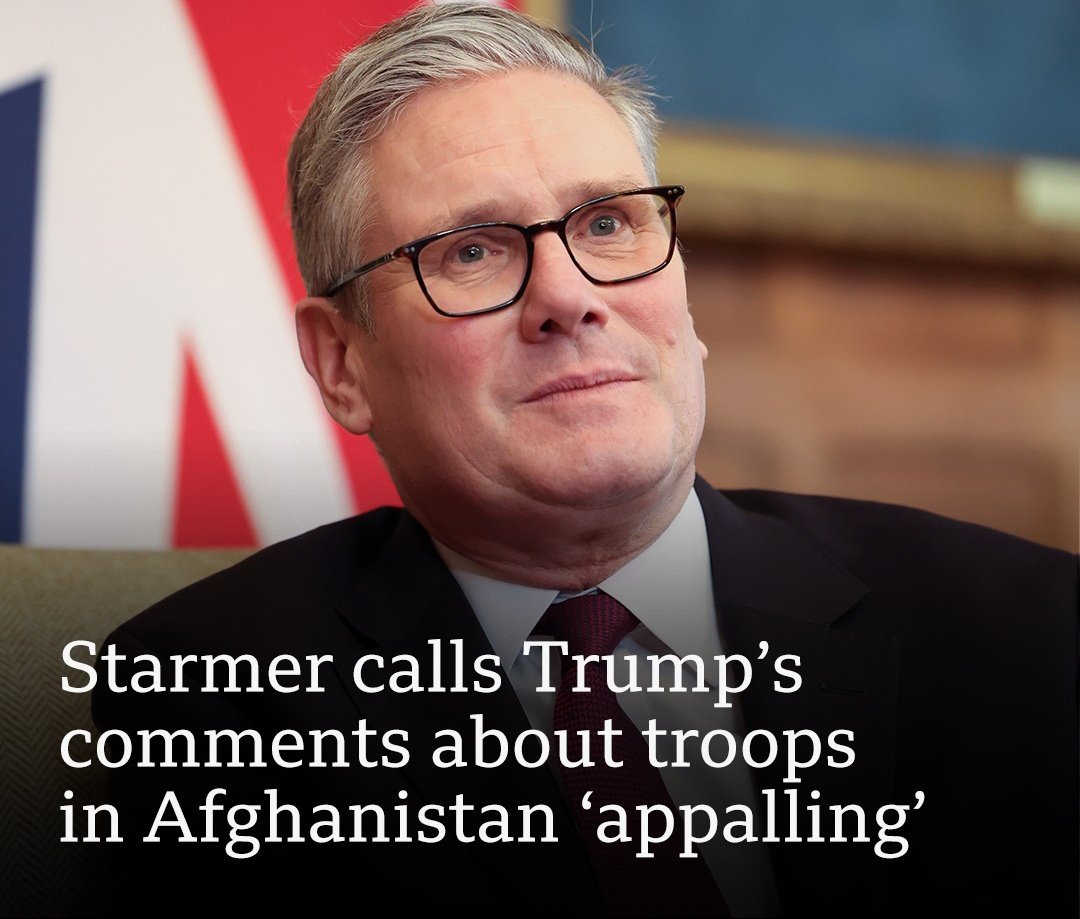
For NATO partners, Afghanistan is also proof of something they rarely say out loud: they can follow the U.S. into a mission and still end up explaining the ending to their own voters, even when the ending is chaotic.
That is why comments about “NATO troops” can detonate fast. They touch national pride and the implied promise at the center of the alliance, that contributions will be respected, and that the U.S. sees allied participation as more than decorative.
Starmer appears to be banking that defending allied service is a safer position than letting Trump’s framing go unanswered.
Why Starmer Might Want This Fight Now
There is also a timing question. UK leaders usually try to keep Washington disputes quiet because the “special relationship” is not just sentiment. It is intelligence cooperation, defense coordination, and diplomatic access.
So if Starmer is willing to let a public rebuke travel, it suggests he is trying to set terms early. If Trump wants allies to treat him as the indispensable partner, Starmer wants Trump to treat allies as indispensable participants.
It is a negotiation strategy disguised as outrage. The UK cannot outmuscle the U.S., but it can raise the reputational cost of dismissing allied troops. Starmer is effectively saying: if you want the alliance, you do not get to degrade the people who built it in practice.
The PBS Wrap Hint: This Was Not the Only Flashpoint
The same PBS news wrap that flagged the Starmer-Trump clash also mentioned two other developments, both of which underline a broader theme of conflict and consequence around the Trump administration.
PBS reported that the FBI arrested former Olympic snowboarder Ryan Wedding, described as an alleged drug kingpin. The wrap also reported that Philadelphia is suing the Trump administration over the removal of a slavery exhibit at the Independence National Historical Park.
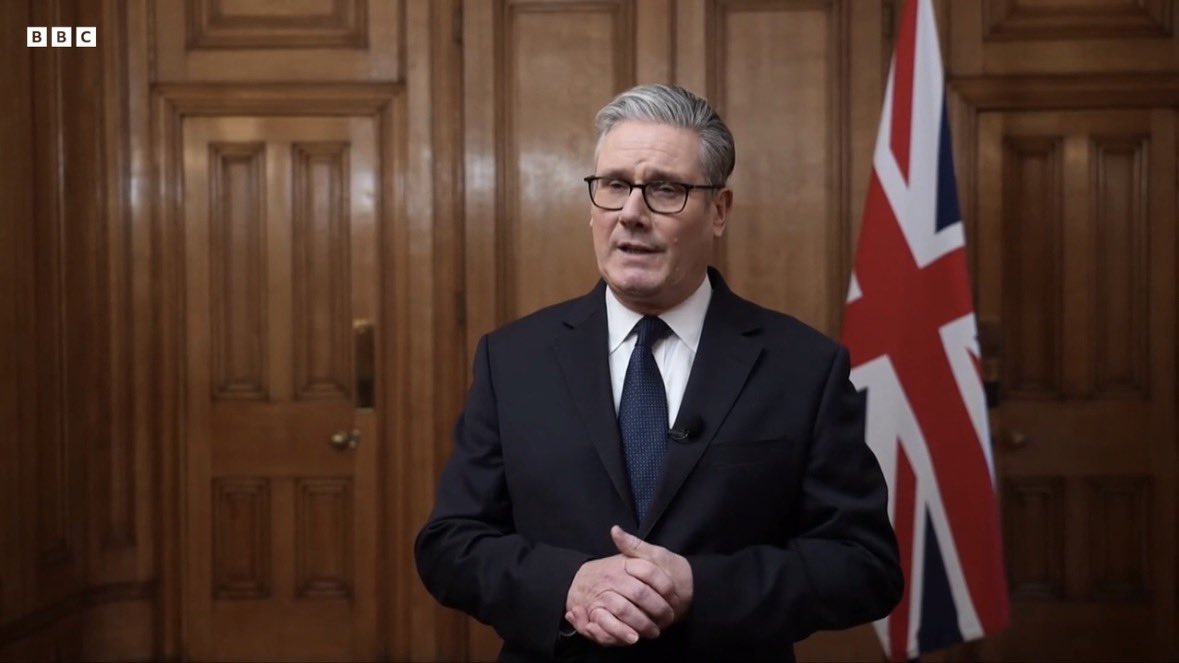
Those items are separate stories. But taken together with the Starmer episode, they sketch a familiar governing landscape: legal pressure on one flank, cultural and historical conflict on another, and alliance management turning into public theater.
Starmer’s reaction fits that landscape. He is treating words as policy, and he is treating public framing as a kind of leverage. In an era when statements themselves can move markets, swing polling, and harden diplomatic positions, that is not melodrama. It is how power works now.
What to Watch Next
Three questions will tell readers whether this is a one-day flare-up or an early sign of a deeper transatlantic rift.
- Does Trump double down or clarify? If the White House reiterates the underlying criticism, Starmer’s rebuke starts to look less like a defense of troops and more like a line in the sand.
- Do other NATO leaders join Starmer publicly? If they do, Trump faces a bloc response. If they do not, Starmer may have volunteered to take the hit alone.
- Does the dispute spill into policy? The risk is not just bruised feelings. The risk is that alliance cooperation turns transactional, with military and diplomatic coordination becoming bargaining chips in a narrative war.
For now, the clearest fact is also the simplest. According to PBS NewsHour, Starmer heard Trump’s comments about NATO troops in Afghanistan and chose the bluntest available reply: “insulting” and “appalling.”
In diplomacy, that kind of wording is rarely accidental. It is a signal. The question is who blinks.