The US can swat down missiles with Patriots and THAAD, but the drone fight is turning into a cheaper, faster numbers game. Now, a pickup-truck-sized system with a Ukrainian track record is heading to the Middle East.
What You Should Know
US officials told The Associated Press that the Merops counter-drone system, used against Russian drones in Ukraine, will be sent to the Middle East to strengthen defenses against Iranian drones amid regional retaliation concerns and strained air-defense resources.
According to a report published by PBS NewsHour, which carried The Associated Press account, two US officials described the coming deployment as a practical fix to a problem that keeps popping up in briefings: drones are easier to launch than they are to stop.
The Merops Pitch Is Simple: Beat Drones With Cheaper Drones
Merops is designed to fly drones against drones, spotting small targets that can be missed or misread on radar systems tuned for high-speed missiles. Officials said it is small enough to fit in the back of a midsize pickup truck and uses AI to navigate even when communications are jammed.
The money angle is doing a lot of work here. The AP report noted that firing an interceptor costing hundreds of thousands of dollars at a drone that can cost under $50,000 is a losing strategy if attackers can keep launching waves.
Rep. Jim Himes, the top Democrat on the House Intelligence Committee, framed the issue as both capability and arithmetic, saying, “We’re pretty good at taking missiles down. What is much more problematic for us is the huge inventory of Iranian drones, which are hard to detect and hard to take down.”
Why the Middle East, and Why Now
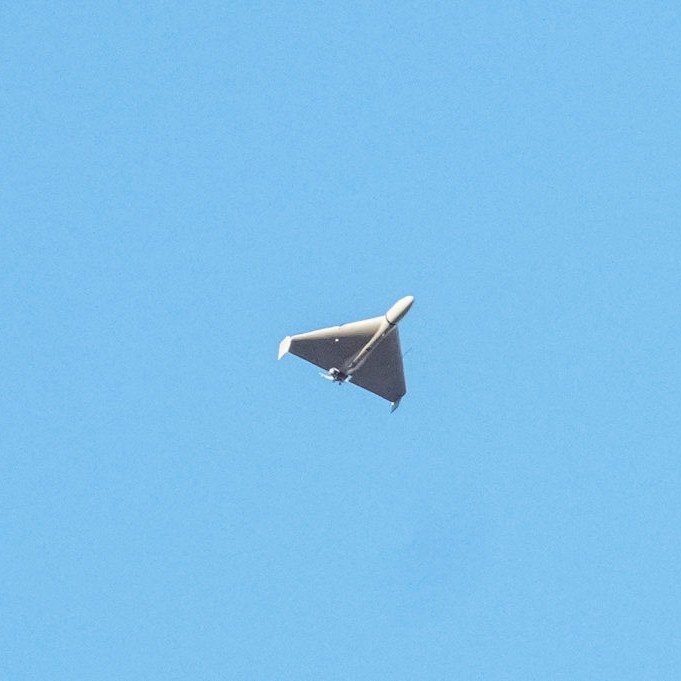
US officials tied the deployment to the region’s exposure to Iranian drones, including Shahed models that have been used in large numbers in Ukraine. The AP report also described broader worries about an Iranian retaliatory response after American and Israeli strikes, with Persian Gulf countries complaining they lacked adequate time to prepare for incoming drones and missiles.
Merops has already been deployed in NATO countries, including Poland and Romania, after Russian attack drones repeatedly entered NATO airspace, according to the defense official cited by the AP. Ukrainian President Volodymyr Zelenskyy also said the US asked Ukraine for help countering Shahed drones, and Trump told Reuters he would take assistance from any country, the report said.
In the Middle East, the defense official said Merops would be positioned at various sites, including locations where US forces are not present. The AP report said most systems would be sent directly by Perennial Autonomy, the manufacturer backed by former Google CEO Eric Schmidt, and that the shipments would not affect defenses in Europe.
The Awkward Admission Inside the Briefings
Pentagon officials conceded in closed-door briefings with lawmakers that they are struggling to stop waves of drones launched by Iran, leaving some US targets in the Gulf region vulnerable, according to the AP report. Defense Secretary Pete Hegseth also set expectations publicly, saying, “This does not mean we can stop everything, but we ensured that the maximum possible defense and maximum possible force protection was set up before we went on offense.”
The next test is not whether Merops can hit a drone. It is whether the US can field enough systems, fast enough, across enough geography to change the cost equation before the next wave arrives.