

The orders are real, the destination is specific, and the trigger is political dynamite. The Pentagon has put about 1,500 active-duty soldiers on standby for a possible deployment to Minnesota, as President Donald Trump publicly toys with using the Insurrection Act in the middle of a tense immigration enforcement moment.
What is missing, at least for now, is the final piece: a presidential order that actually sends those troops in. But the fact that the military is already moving pieces on the board has turned a familiar Trump threat into a live-wire standoff.
What the Pentagon Did, and What It Did Not Do
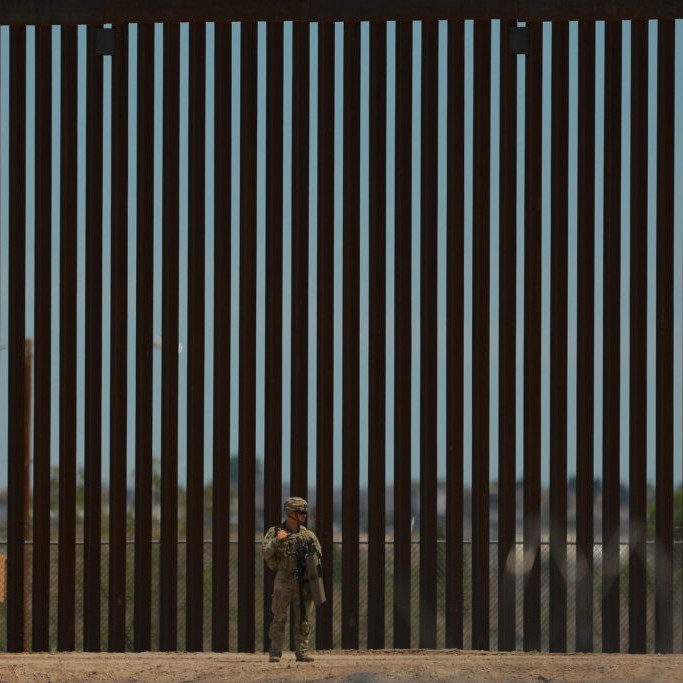
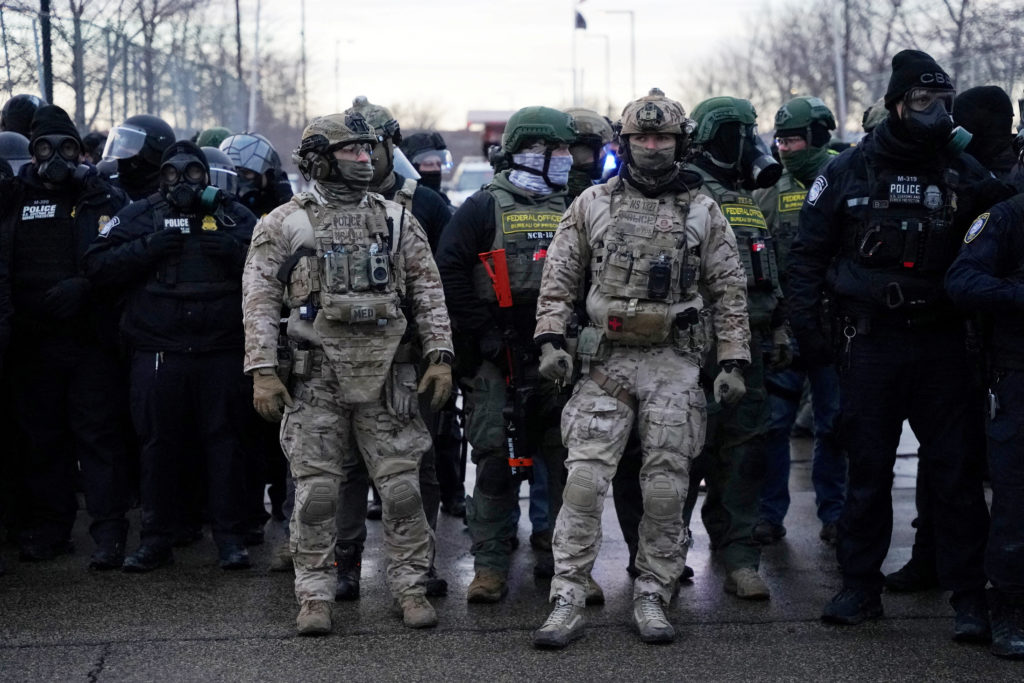
According to an Associated Press report published by PBS NewsHour, two defense officials said the Pentagon ordered roughly 1,500 active-duty soldiers to be ready in case they are needed in Minnesota, where federal authorities have been conducting what the report described as a massive immigration enforcement operation.
The officials spoke on condition of anonymity to discuss what the AP called sensitive military plans. They said two infantry battalions from the Army’s 11th Airborne Division received prepare-to-deploy orders. The 11th Airborne is based in Alaska and is known for operating in arctic conditions.
That distinction matters. Prepare-to-deploy orders are not the same as an actual deployment. But they are also not nothing. They are the difference between a hypothetical and a force that can move fast if the White House decides the moment has arrived.
The Legal Switch Trump Keeps Reaching For
One defense official told the AP that the troops would be standing by if Trump invokes the Insurrection Act, a rarely used 19th-century law that can allow a president to use active-duty troops in a law enforcement role inside the United States.
Trump has threatened to use the Act repeatedly across both of his terms, including during 2020 protests after George Floyd was killed by Minneapolis police, and again amid more recent immigration-related protests, according to the AP report.
The modern reference point is 1992, when President George H.W. Bush invoked the law during unrest in Los Angeles after the acquittal of four white police officers in the beating of Rodney King, the AP noted.
The Posts, the Walk-Back, and the Line That Keeps Returning
The Minnesota situation is not happening in a vacuum. It is colliding with Trump’s own public messaging, which has oscillated between escalation and restraint.
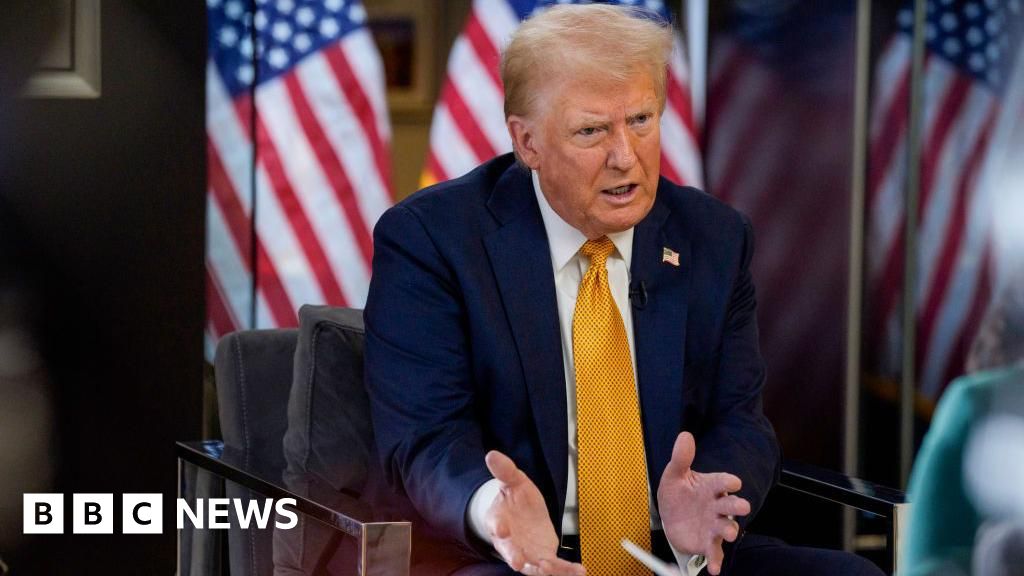
In a social media post cited by the AP, Trump said he would invoke the 1807 law “if the corrupt politicians of Minnesota don’t obey the law and stop the professional agitators and insurrectionists from attacking the Patriots of I.C.E., who are only trying to do their job.”
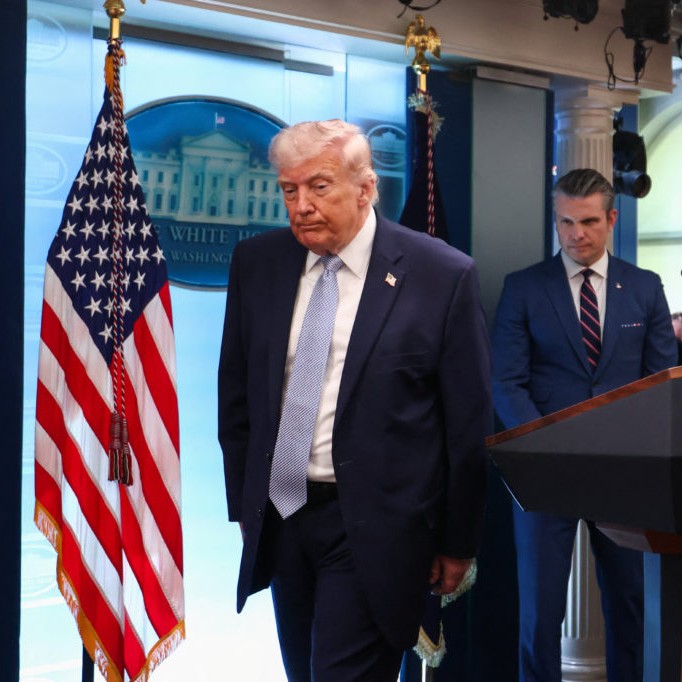
Then came the partial retreat. The AP reported that Trump appeared to walk back the threat the next day, telling reporters at the White House there was no reason to use it “right now.”
But he did not close the door. “If I needed it, I’d use it,” Trump said, according to the AP. “It’s very powerful.”
That combination, an explicit threat, a tactical pause, and a reminder that the tool is still on the table, is what has critics and allies watching the same question: is the standby order a precaution, or the first visible step toward something bigger?
Walz Makes a Direct Appeal and Draws a Line
Minnesota Governor Tim Walz, a Democrat and frequent Trump target, is urging the president not to add more troops to a situation already charged by protests and enforcement operations.
Walz put it bluntly in a social media message cited by the AP: “I’m making a direct appeal to the President: Let’s turn the temperature down. Stop this campaign of retribution. This is not who we are.”
Walz’s framing sets up a classic clash of narratives. Trump casts federal action as restoring order and protecting immigration agents. Walz casts escalation as punishment politics, with Minnesota as the stage.
The Pentagon’s Careful Non-Denial
If you are looking for a clean yes or no from the Defense Department, you are not getting it. In an emailed statement cited by the AP, Pentagon chief spokesman Sean Parnell did not deny that the orders were issued.
Instead, he offered a principle that doubles as a shield: the military “is always prepared to execute the orders of the Commander-in-Chief if called upon.”
That line does two things at once. It avoids confirming operational details, and it reminds everyone who ultimately pulls the lever. If Trump invokes the Act, the Pentagon is signaling it will be ready to comply.
Why 1,500 Troops Is a Political Number, Not Just a Military One
On paper, 1,500 soldiers is a modest force compared with major overseas deployments. Inside the United States, tied to immigration protests and the Insurrection Act, it becomes a billboard.
It broadcasts readiness. It raises the stakes for state leaders. It also invites questions that go beyond Minnesota.
Supporters of a harder federal posture see the standby move as a warning shot to deter violence and protect federal personnel. Critics see it as federal muscle being positioned for domestic policing, an area where the U.S. military traditionally keeps a distance and where the legal exceptions are heavily scrutinized.
And for anyone living through the whiplash of modern politics, the tension is obvious: the White House can describe this as contingency planning, while opponents can describe it as intimidation. Both arguments gain oxygen from the same fact: troops are being told to get ready.
The Receipts So Far, and What Still Has to Happen Next
Here is what is solidly on the record from the AP reporting carried by PBS NewsHour:
About 1,500 active-duty soldiers have been ordered to be ready for a possible Minnesota deployment. Two infantry battalions from the Army’s 11th Airborne Division in Alaska received prepare-to-deploy orders. One defense official tied the standby posture to the possibility of Trump invoking the Insurrection Act. Trump publicly threatened to invoke the law, then said there was no reason to use it “right now,” while adding, “If I needed it, I’d use it. It’s very powerful.” Walz publicly urged Trump to step back and “turn the temperature down.”
ABC News first reported the development, the AP noted, and the broader story is now moving through the familiar Washington pipeline: anonymous officials confirm planning, public officials argue about meaning, and the next concrete action becomes the entire game.
What to watch is straightforward. Does Trump invoke the Insurrection Act, or keep it as a threat? Do Minnesota leaders take legal or political steps to resist any federal move? Does the Pentagon maintain the standby posture, expand it, or quietly unwind it?
For now, the soldiers are not in Minnesota. But the paperwork is.