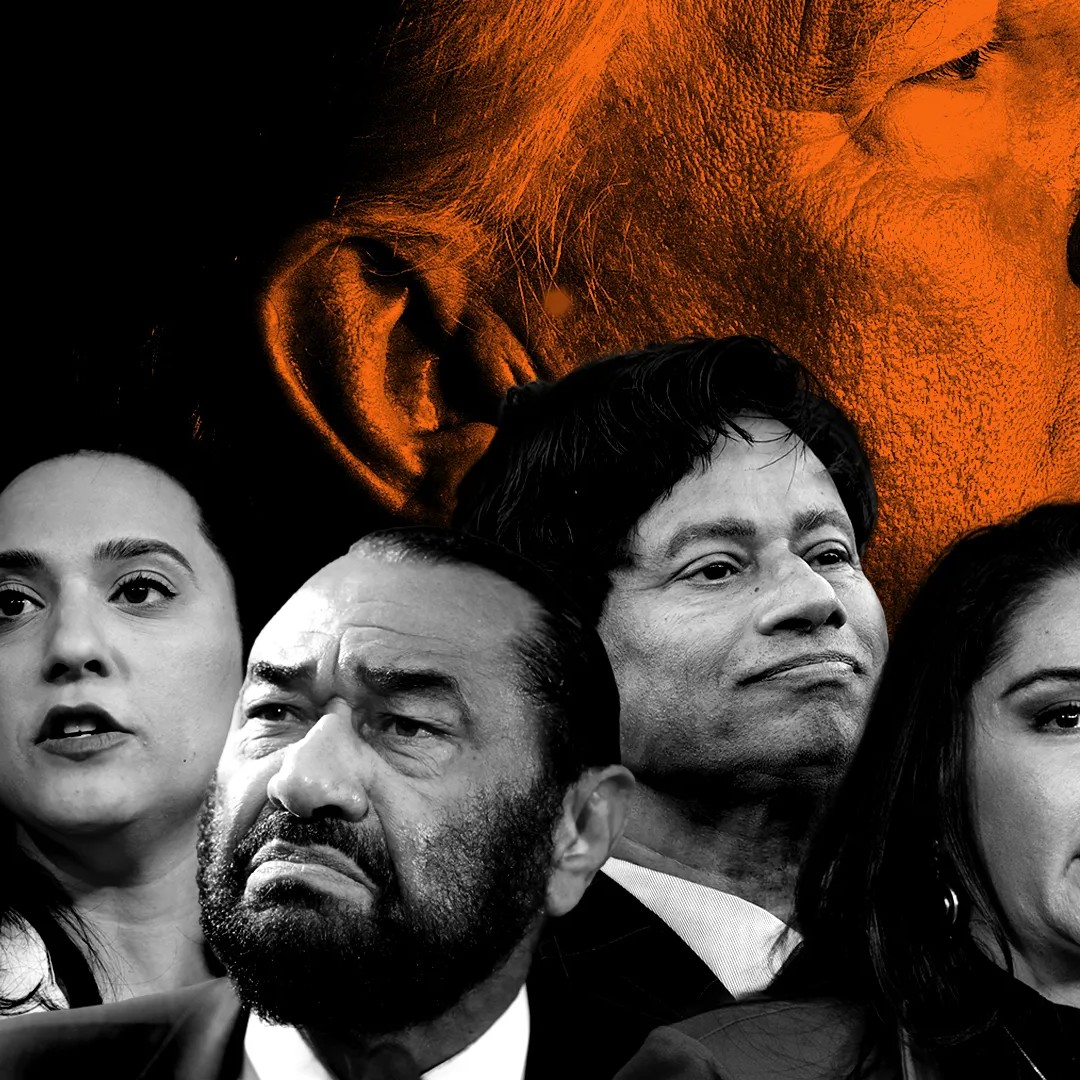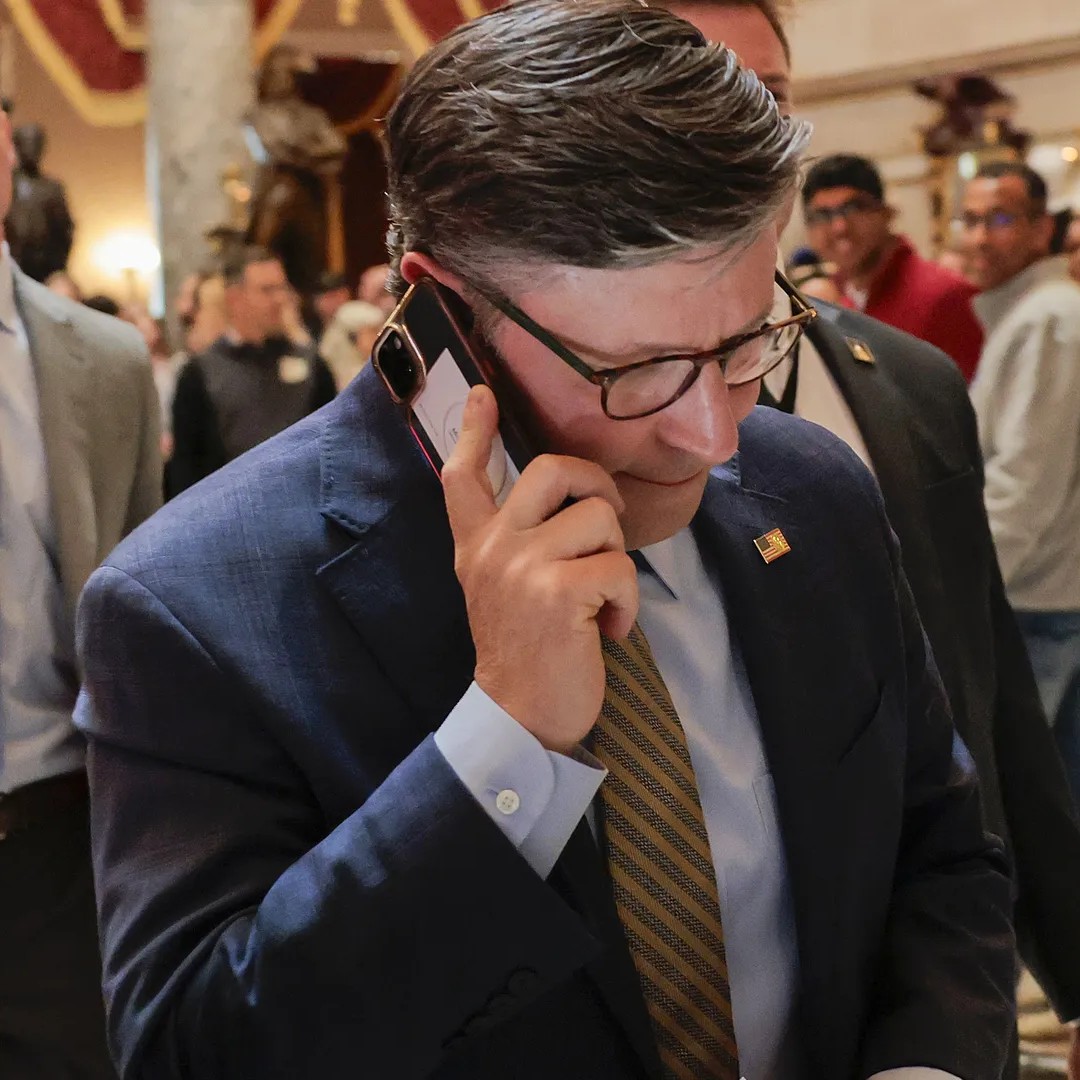
A blurry street-level video can do what months of policy memos never manage. It can corner elected officials, supercharge suspicion, and force instant answers about an operation nobody local actually runs.
What You Should Know
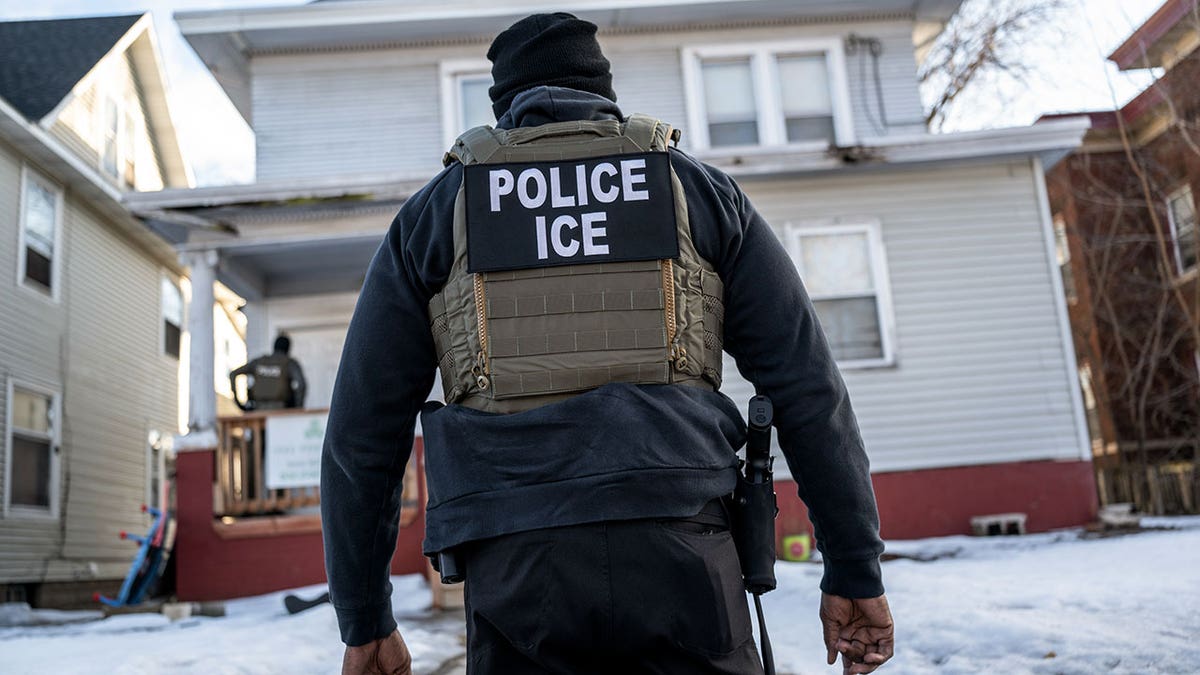
A video circulating online appears to show federal immigration agents detaining a man described online as Venezuelan in North Minneapolis. ICE is a federal agency under the U.S. Department of Homeland Security, and its arrest authority is set by federal law, not city policy.
The flashpoint is not just the clip. It is the vacuum it creates, as residents demand names, charges, and paperwork, while city leaders, county officials, and police try to explain where their authority ends and where ICE’s begins.
The Video Moves Faster Than the Paperwork
The footage, reposted and re-captioned across social platforms, is being treated by different audiences as either proof of aggressive enforcement or of misinformation running wild. Either way, it is now a political object, not just a video.
What is consistently true in these moments is the power imbalance. ICE can conduct immigration enforcement without asking a mayor for permission, and local officials often do not have immediate access to basic facts, like who was detained, why, and whether any local agency assisted.
ICE’s own description of its mission hints at why the messaging battle is so fierce. On its website, the agency says its mission is “to protect America from the cross-border crime and illegal immigration that threaten national security and public safety.” Critics hear that framing as a blank check. Supporters hear it as overdue enforcement.
What ICE Can Do, and What Locals Cannot
Federal law gives immigration officers authority to interrogate certain people about their right to be in the United States, and, in specified circumstances, to make arrests without a warrant. That means a city council resolution, a police chief’s preference, or a county attorney’s posture cannot veto the baseline powers Congress has written into statute.
Where it gets messy is the handoff. ICE detainers, for example, are requests asking other agencies to hold someone so ICE can assume custody. Those requests can become the pressure point in local-federal relationships because they raise questions about liability, cooperation, and whether a local jail becomes an extension of federal enforcement.
Why a Single Clip Forces Big Decisions
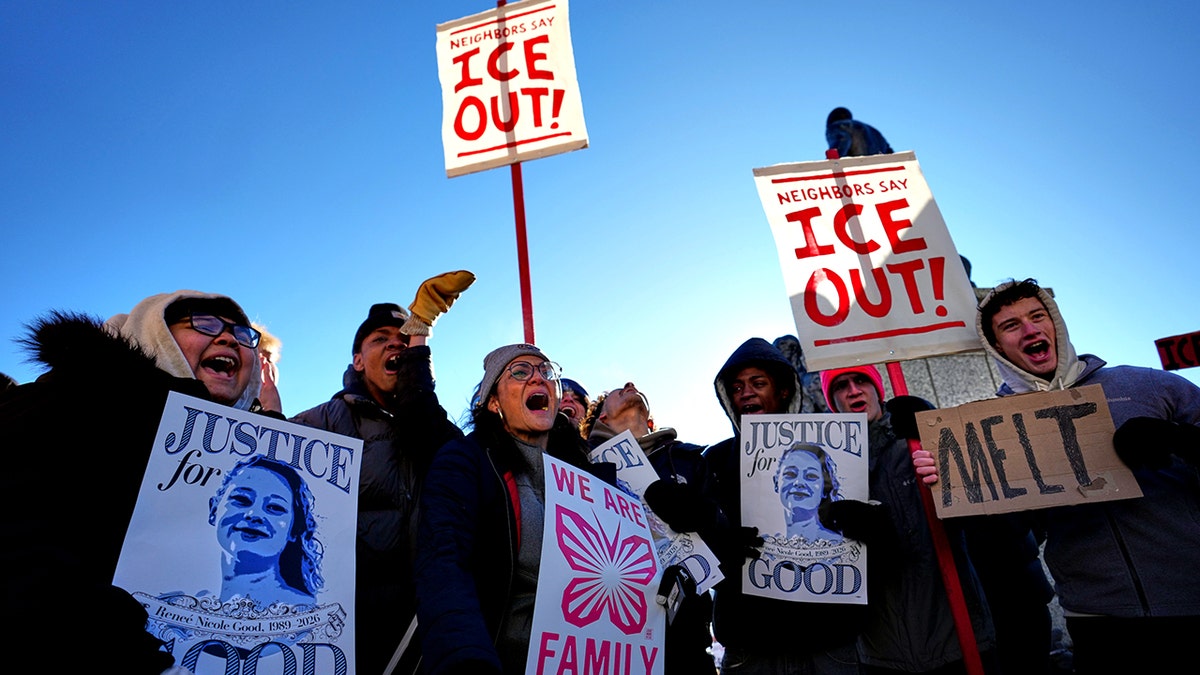
For Minneapolis, the stakes are not abstract. Public trust in policing and public safety institutions is already a charged subject, and any perception that local agencies helped facilitate a federal detention can ignite backlash fast, even before the underlying facts are confirmed.
For ICE, the stakes are real as well. Viral clips can make routine operations look like abductions to skeptics or make enforcement look timid to hardliners. That is why the next details that matter are boring ones, such as whether the agents are identified, whether a warrant is cited, and whether any local department confirms their role.
Until those specifics surface, the only safe bet is more pressure. Residents will keep asking who knew what, and when, and officials will keep trying to separate what they can control, like local cooperation policies, from what they cannot, like federal arrest authority.