

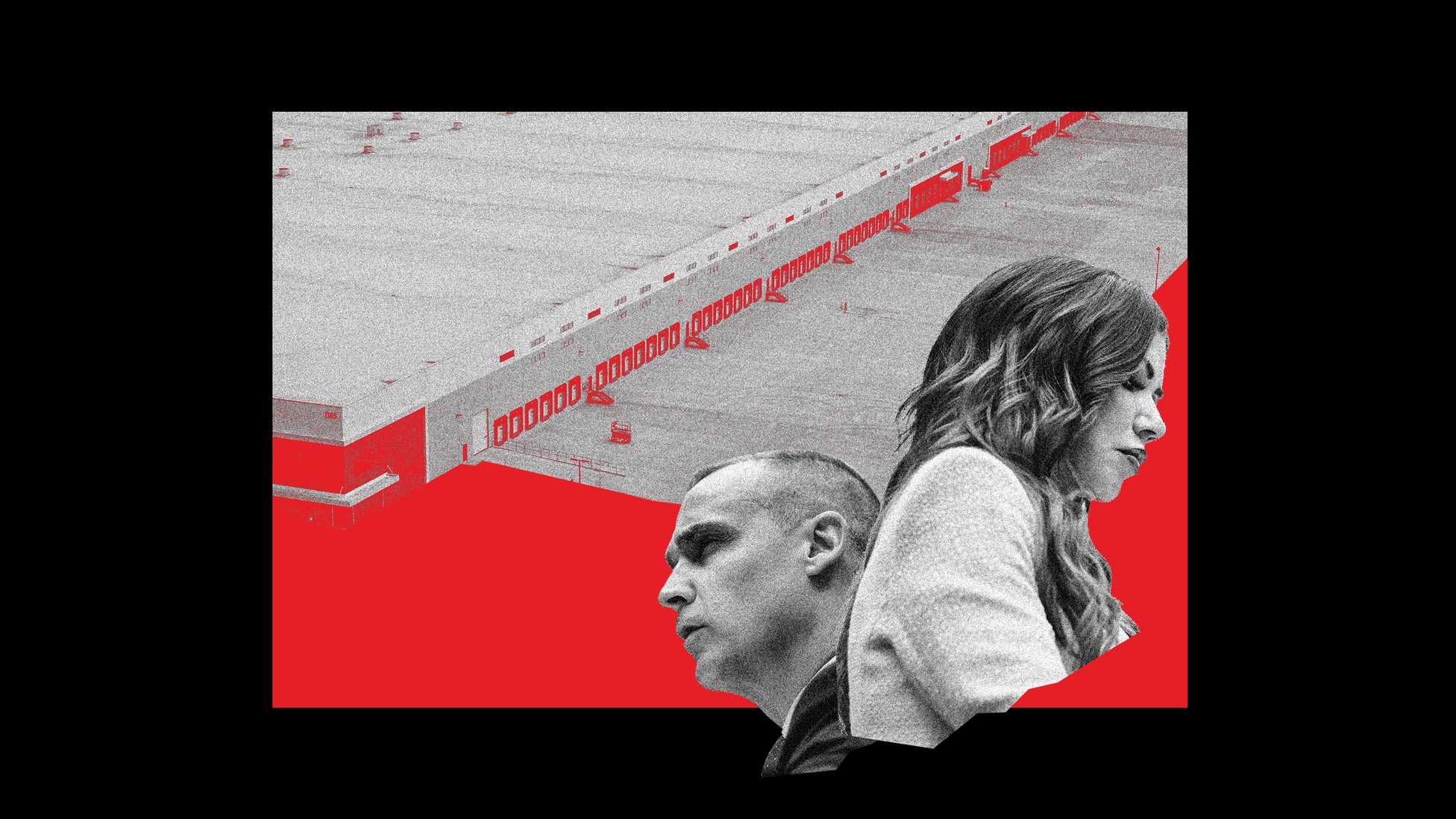
Eleven warehouses. Up to 10,000 beds apiece. And a leadership shake-up at DHS that could turn a real estate sprint into a political slow-walk.
What You Should Know
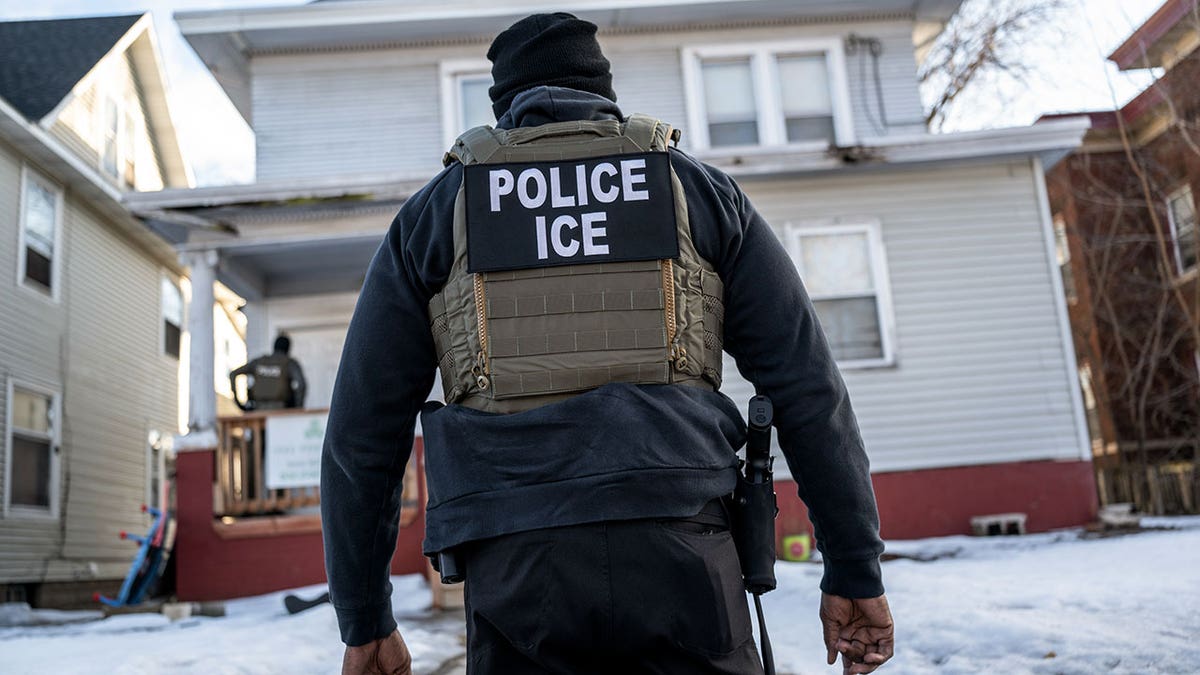
DHS purchased 11 large warehouses for conversion into ICE detention sites as part of an initiative tied to expanded deportation goals. With Kristi Noem leaving DHS and Markwayne Mullin set for a confirmation hearing, the plan’s timetable and oversight are in flux.
According to reporting by The Atlantic, the acquisitions are part of an “ICE Detention Reengineering Initiative” that aims to remake detention logistics by owning big facilities, rather than renting beds from private operators and local jails. The price tag cited for the broader detention overhaul is $38 billion.
The $38 Billion Bet on Mega-Jails
The plan gathered momentum as the White House pushed for more detention space and DHS pursued a major buildup across immigration enforcement. The Atlantic reported that detainee counts rose from about 39,000 in January 2025 to more than 70,000 at a peak, then dipped to roughly 63,000, based on internal data shared with the outlet.
Now comes the turnover. Trump set March 31st, 2026, as Noem’s last day, and The Atlantic reported that her chief adviser, Corey Lewandowski, was expected to depart as well. The same report described officials privately calling for a slowdown, with one senior official saying, “They’ve had a ridiculous timeline to rush everything through.”
DHS, for its part, framed the buildout as a straightforward capacity problem. In a statement quoted by The Atlantic, the department said, “ICE aims to work with officials on both sides of the aisle to expand detention space to help ICE law enforcement carry out the largest deportation effort in American history.”
Local Pushback, Court Orders, and the Next Boss
The friction is not just inside Washington. The Atlantic reported that some county governments and lawmakers moved to block conversions, and that even Republican-controlled jurisdictions showed a streak of NIMBY resistance once a warehouse in their backyard started looking like a detention hub that needs water, sewer hookups, and permits designed for people, not pallets.
Legal pressure is also building. The Atlantic reported on a temporary restraining order issued by a federal court in Maryland that blocked construction at a newly acquired site near Hagerstown, citing the lack of an environmental-impact study. The same reporting noted protests at the site and concerns about further demonstrations as renovations and arrivals begin.
Meanwhile, money questions keep multiplying. CoStar reported that the government paid an average of 11 percent to 13 percent above market rates for 10 properties, including one purchase in Georgia at 33 percent above market value and another in Pennsylvania at 27 percent above. The Atlantic also reported that DHS continued buying, including a warehouse in Salt Lake City for more than $145 million, even as it backed off in places like Mississippi and New Hampshire after political blowback.
The next set piece is the Senate. The Atlantic reported that Mullin’s confirmation hearing is expected to put Noem-era spending, Lewandowski’s role, and the use of new funding under a brighter light. If the warehouse jails are the administration’s infrastructure bet, the question now is whether the new DHS boss treats them as a signature project or a set of contracts begging for a pause.