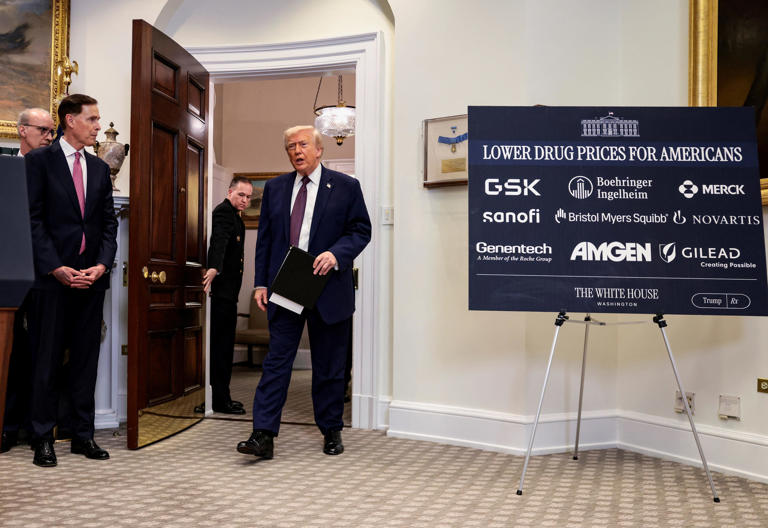


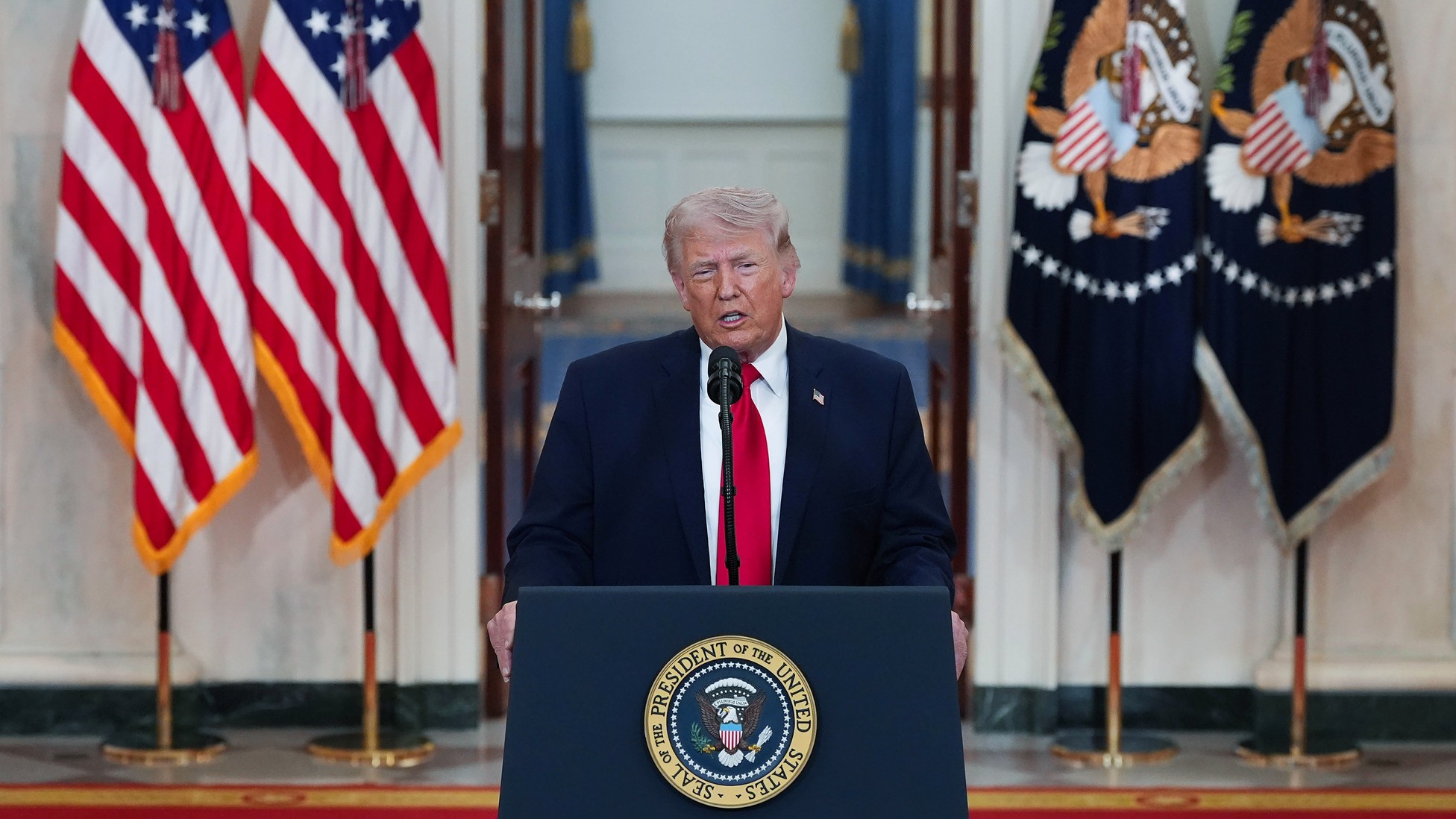
Donald Trump finally gave the kind of prime-time address presidents use to impose order on chaos. But one Atlantic writer says the speech did the opposite, and the reason is not the tone. It is the math.
What You Should Know
In an Atlantic essay in its Ideas section, writer Tom Nichols dissected President Donald Trump’s prime-time address about Iran. Nichols argued the speech left core questions about goals, evidence, and timelines unclear, even as it promised rapid results.
Nichols, a longtime national security commentator, framed the moment as a basic test of wartime leadership: explain the mission, define the endpoint, and level with the public about costs. Instead, he wrote, Trump cycled through victory laps, threats, and shifting justifications that did not align neatly.
A Wartime Slot, a Campaign Rhythm
In Nichols’ telling, the speech leaned hard on Trump as the decisive fixer, while offering few verifiable markers for what, exactly, would count as success. He also flagged how quickly the address wandered into familiar Trump-era signifiers, including revisiting the 2020 killing of Iranian commander Qassem Soleimani and the 2018 decision to leave the Iran nuclear deal.
Those two moves are not disputed historical footnotes. The Trump White House announced the United States’ withdrawal from the Joint Comprehensive Plan of Action on May 8th, 2018, and the Pentagon confirmed Soleimani’s death in a Department of Defense statement released in January 2020.
The Contradictions Nichols Put on the Table
Nichols’ central critique is not that Trump sounded tough. It is that the speech, as Nichols described it, tried to occupy multiple strategic lanes at once: a preventive case about a future nuclear risk, assurances that nuclear capacity had already been smashed, and mixed messaging about whether regime change was a goal.
Even Trump’s own rhetoric, Nichols wrote, tilted between maximalism and vagueness. Nichols highlighted the line, “We are unstoppable,” then argued the speech undercut itself by leaving the means and timeline for sweeping objectives largely undefined.
Why Chokepoints Turn Slogans Into Deadlines
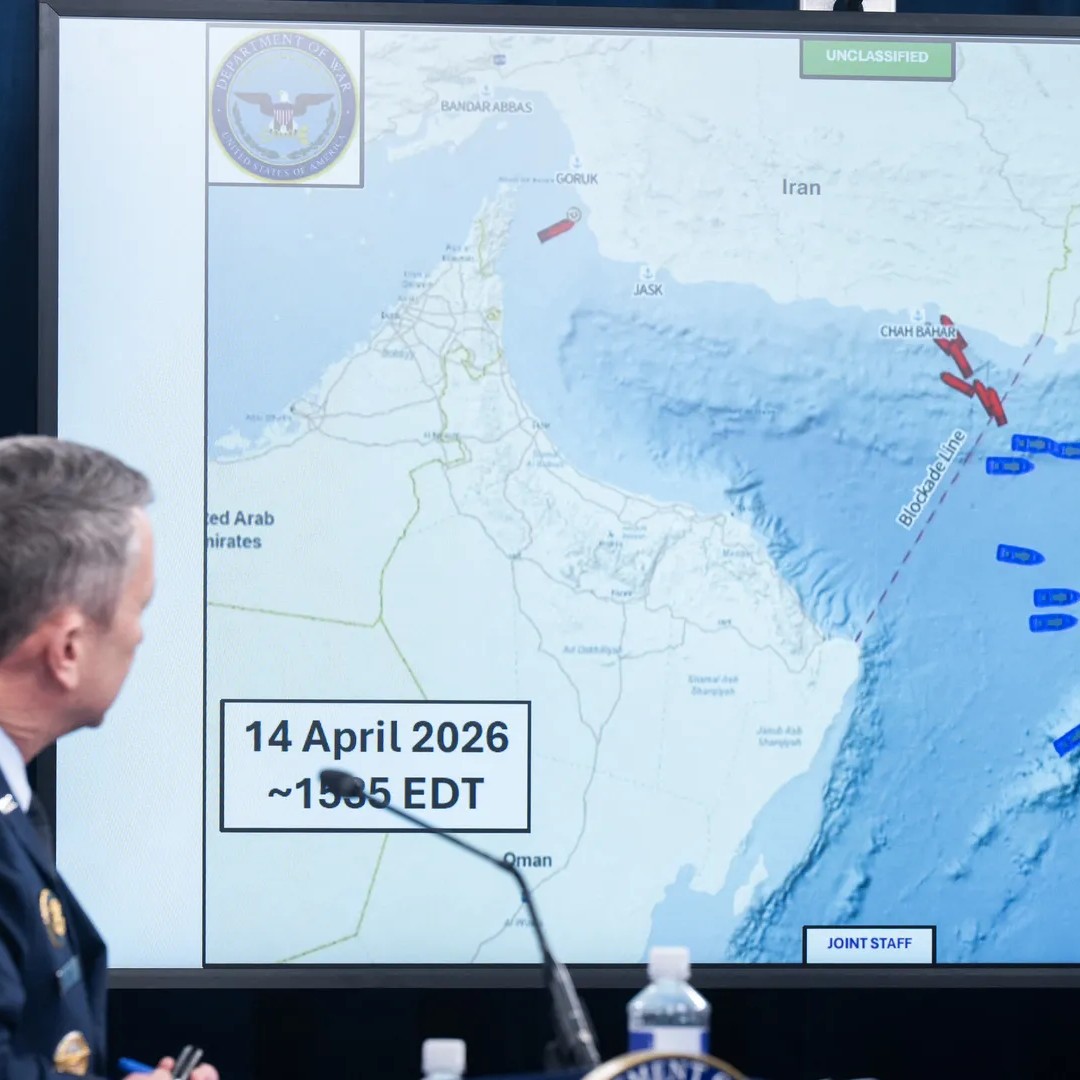
If Nichols’ essay reads like an argument about credibility, the underlying stakes are practical. Some of the world’s most sensitive energy traffic runs through narrow waterways. The U.S. Energy Information Administration has described the Strait of Hormuz as the world’s most important oil transit chokepoint, a phrase that tends to reappear whenever tensions in the region spike.
That is why confident timelines can become political liabilities. When a president promises fast outcomes, any disruption that drags on is not just a military problem. It is a price-at-the-pump problem, an ally-management problem, and an expectations problem, all at once.
Nichols ultimately portrayed the address as a performance built to project control, even as it exposed how hard control is to demonstrate once events stop cooperating. The next test is not another line. It is whether the administration can define an endpoint that matches the realities it cannot wish away.
References
- The Atlantic: Trump’s Iran War Speech
- Trump White House Archives: Remarks by President Trump on the Joint Comprehensive Plan of Action
- U.S. Department of Defense: Statement by the Department of Defense
- U.S. Energy Information Administration: The Strait of Hormuz Is the World’s Most Important Oil Transit Chokepoint