The loudest fights in Washington often end up in the quietest places: the TSA line, the jet bridge, and the passport-control booth. The new airport-security chatter swirling around Donald Trump and Elon Musk has one unavoidable problem: airports are not just symbolism; they are systems.
What You Should Know
TSA screens passengers and bags, while ICE enforces federal immigration law; both agencies fall under the Department of Homeland Security. Airports involve federal authority, private carriers, and local operators, so major policy shifts can trigger immediate logistical strain and fast lawsuits.
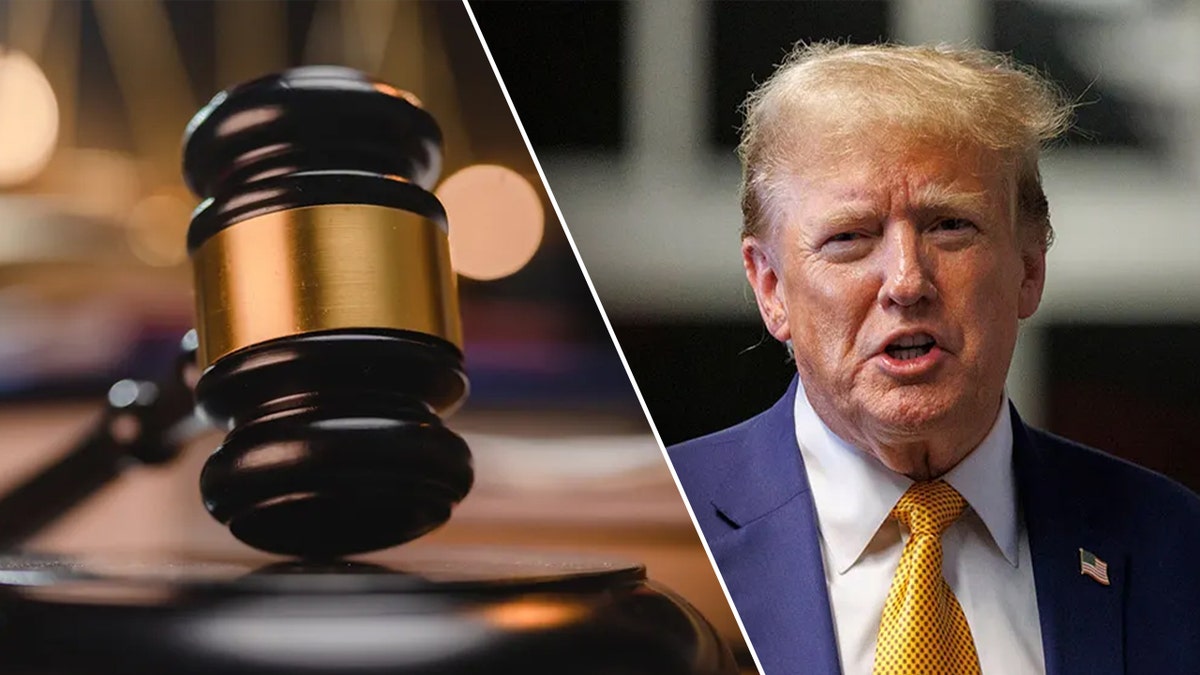
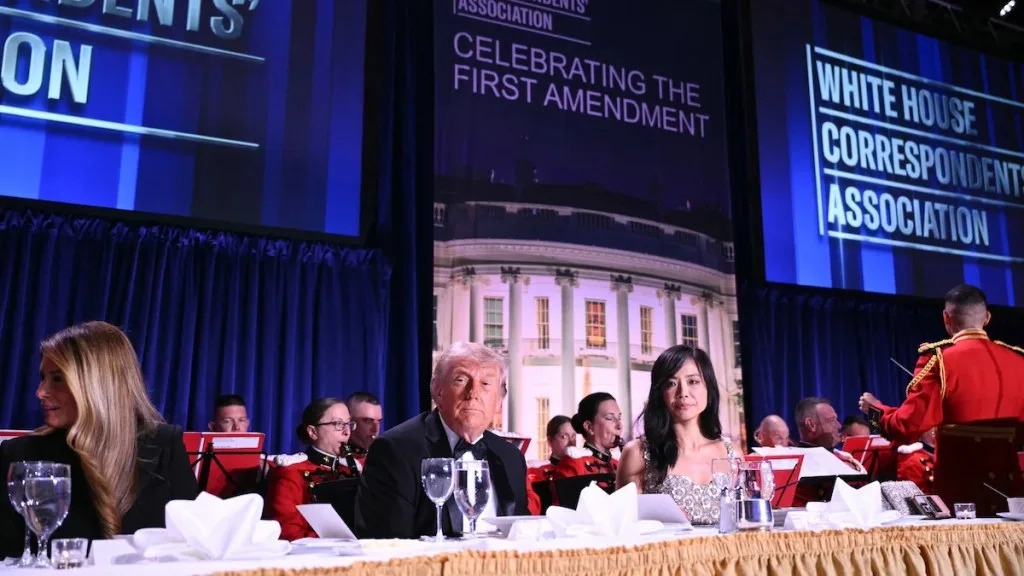
Trump has campaigned on an aggressive approach to immigration enforcement, and Musk has positioned himself as a blunt-force player in national politics and policy debates. Put those brands in the same sentence with TSA and ICE, and the question becomes practical, not rhetorical: what powers exist at airports, and what happens when leaders try to stretch them?
The Agencies Trump Would Be Playing With
TSA is built for screening, not immigration sweeps. The agency says its mission is “to protect the nation’s transportation systems to ensure freedom of movement for people and commerce,” a mandate that centers on security checkpoints, air cargo, and risk-based screening.
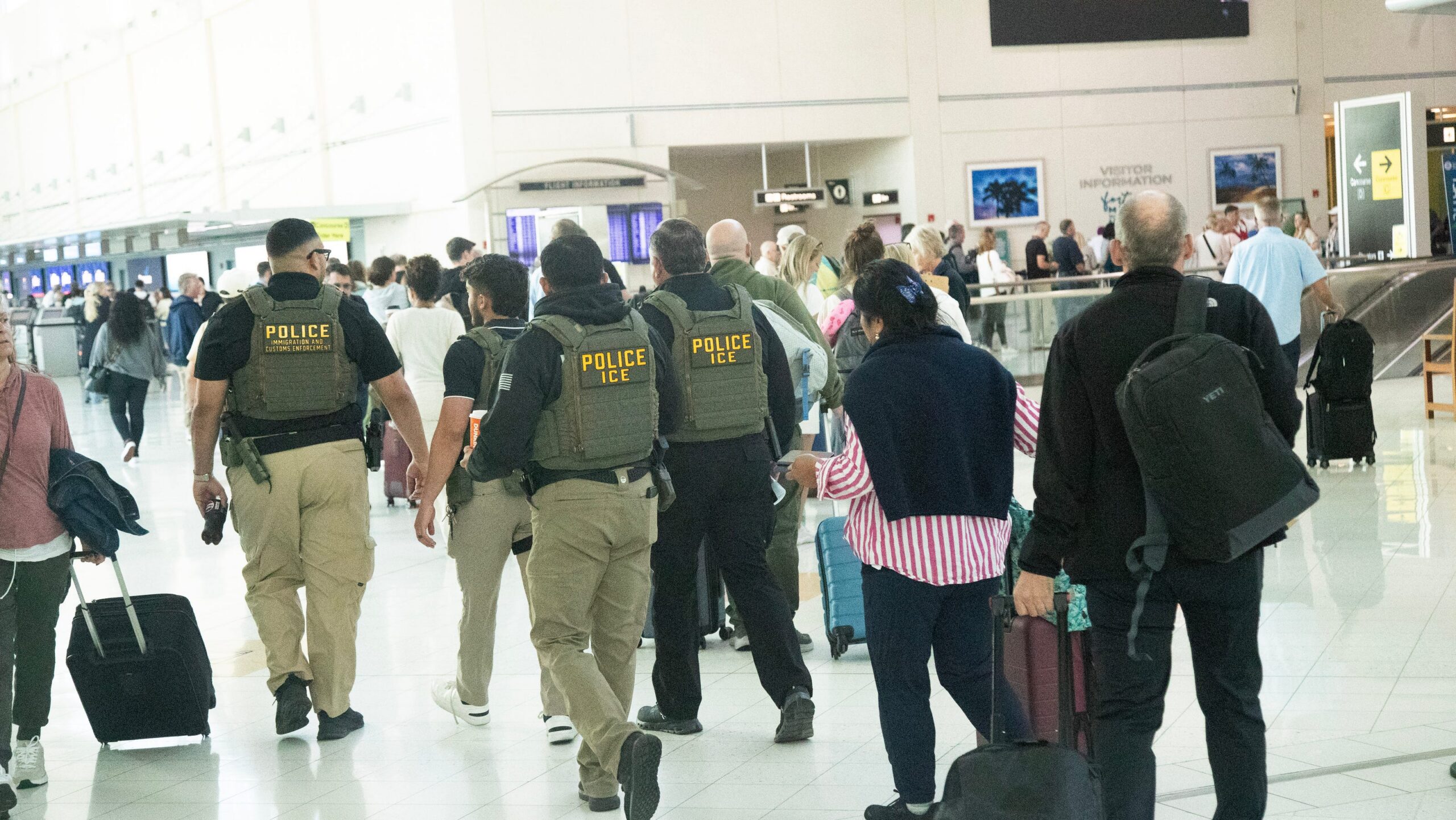
ICE, by contrast, is an enforcement shop, including arrests, detention, and removals carried out by its Enforcement and Removal Operations arm. Airports can be part of that work, but the mechanics often depend on warrants, coordination with CBP at ports of entry, detention capacity, and the willingness of airlines and airport authorities to cooperate.
Why Airports Are the Pressure Point
Airports are irresistible to politicians because they are choke points. People have to show up, identify themselves, and move through controlled lanes, and airlines generate passenger-name records and travel itineraries that can be useful to investigators under existing legal processes.
They are also where policy improvisation gets punished the fastest. The 2017 rollout of Trump’s first travel ban triggered confusion at airports, immediate legal challenges, and rapid revisions, a reminder that DHS actions at terminals can collide with court orders in real time.
Even without a headline-grabbing ban, shifting airport enforcement can create ripple effects: longer lines, more secondary screening, disputes over data-sharing, and pressure on detention space if arrests increase. Airlines and airport operators also have their own incentives, including on-time performance, customer backlash, and liability concerns.
What to Watch if This Gets Real
If any administration tries to make airports a centerpiece of immigration enforcement, the receipts will be bureaucratic. Watch for executive orders, DHS directives, interagency memoranda spelling out roles for TSA, ICE, and CBP, and, crucially, budget moves that add agents, detention contracts, or technology.
The second tell is litigation posture. Lawsuits tend to arrive quickly when airport policies shift, and courts can force clarifications on who has what authority, what due process is required, and whether the government is effectively creating a new program without Congress.
Airports look like a clean stage for power, but they are a crowded one. Any attempt to turn TSA lanes into a broader enforcement tool would test legal limits, staffing realities, and public patience all at once.