

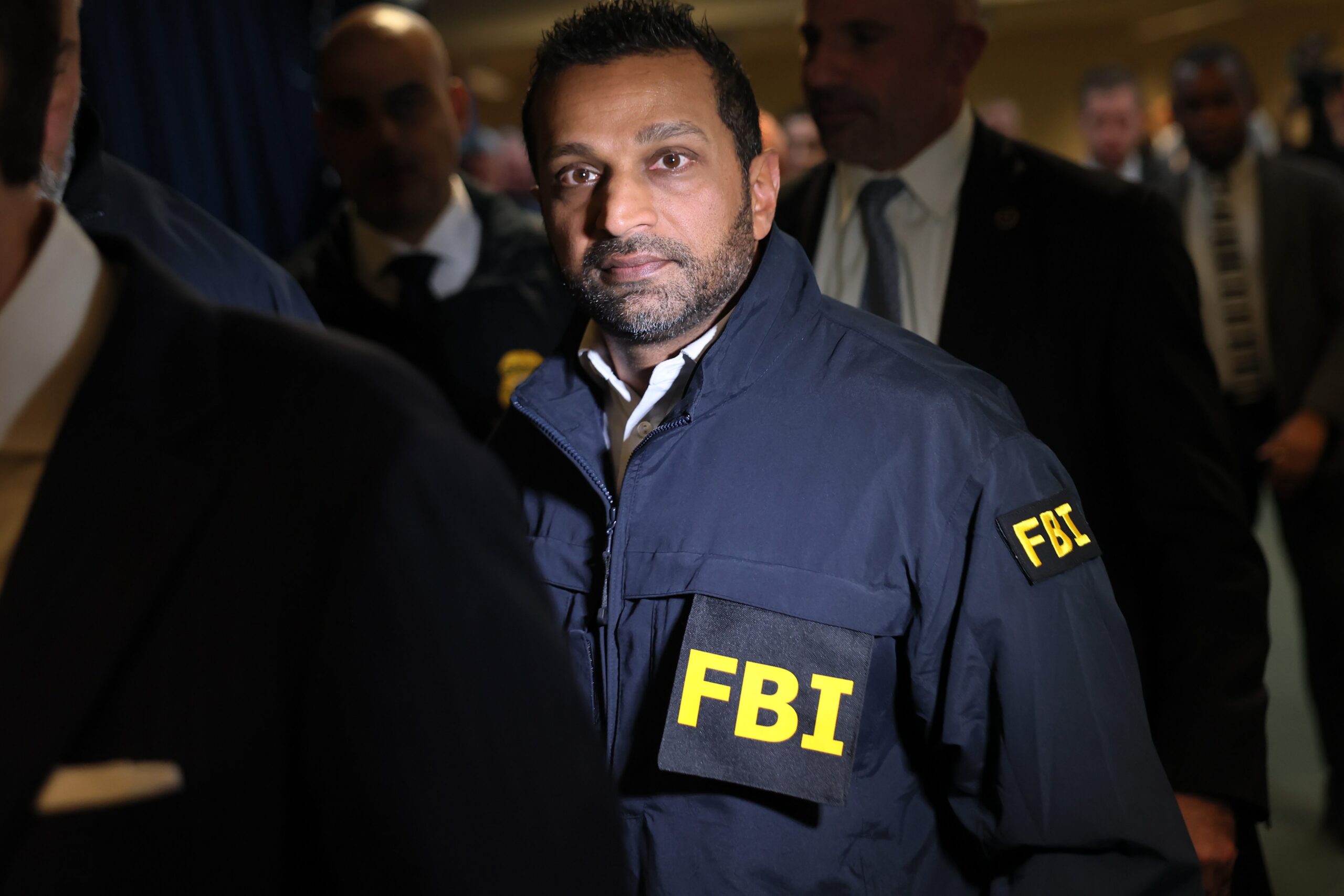
For a few minutes inside the federal government’s most evidence-obsessed agency, the question was not about a case file or an informant. It was about the boss: Was Kash Patel actually out, or was the FBI about to watch its director spiral over a technical glitch?
What You Should Know
The Atlantic reported that FBI Director Kash Patel believed he had been fired after trouble logging into an internal system on April 10th, 2026. The White House and DOJ defended Patel, while the report described anonymous allegations of drinking and unexplained absences.
The Atlantic’s April 18th, 2026, report describes Patel, a Trump ally, as increasingly fixated on being pushed out, even as senior officials publicly praise his results and privately field questions about stability at the top of the bureau.
How a Login Glitch Turned Into a Chain-of-Command Test
According to The Atlantic, Patel struggled to access an internal FBI computer system as he was heading into the weekend on April 10th, 2026. The report says he quickly concluded he had been locked out on purpose, then started calling aides and allies to say the White House had fired him.
The practical problem, if the report is accurate, is not just embarrassment. The FBI employs about 38,000 people, and the article describes the panic rippling through the bureau and into Congress, with calls to the White House asking who was in charge, before the issue was reportedly resolved and Patel remained director.
The Drinking and Absence Claims Put Pressure on Trump’s ‘Law and Order’ Story
The Atlantic says multiple current and former officials described recurring concerns about Patel drinking to visible intoxication and then showing up late, missing meetings, or forcing schedule changes. The report names Washington’s Ned’s club and the Poodle Room in Las Vegas as places where witnesses said they saw the behavior.
It also details claims about unexplained absences and security-related worries, including accounts that members of Patel’s security detail had trouble waking him and that officials discussed using breaching equipment after he was unreachable behind locked doors. Those are serious allegations, and the article attributes them to anonymous sources discussing sensitive conversations.
The political counterattack arrived quickly. White House spokesperson Karoline Leavitt told The Atlantic that, under Trump and Patel, “crime across the country has plummeted to the lowest level in more than 100 years and many high-profile criminals have been put behind bars.” Acting Attorney General Todd Blanche went further, saying, “Anonymously sourced hit pieces do not constitute journalism.”
Still, the contradiction is sitting in plain sight: An administration selling maximum control over federal law enforcement is being asked to explain why its FBI director, according to the report, triggered a chain reaction of false rumors from a password problem. The next test is simple and brutal, whether the White House keeps treating this as noise, or whether the bureau gets a new nameplate on the director’s door.