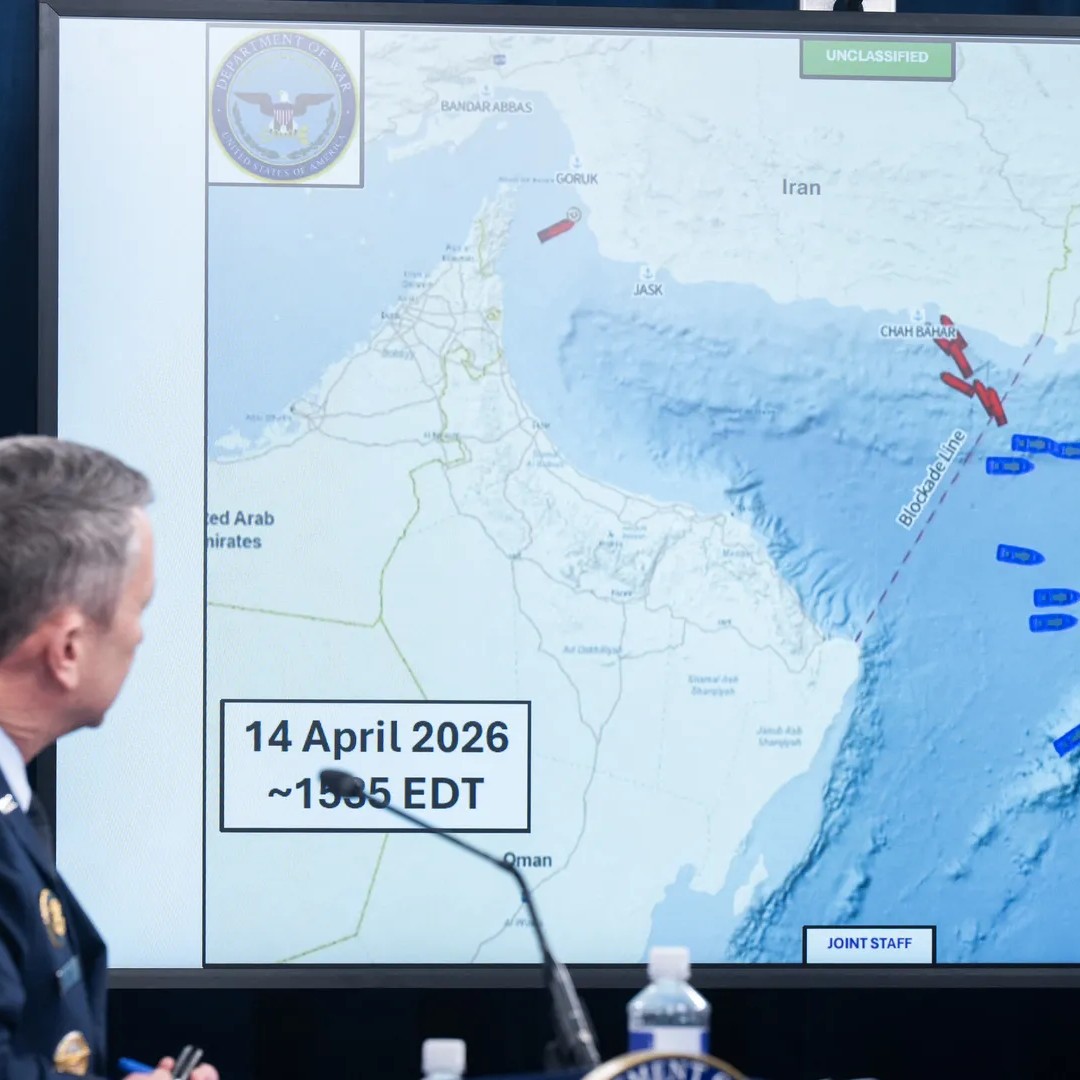


Iran can talk about resilience, deterrence, and strategic depth. The map tells a harsher story: a big share of the regime’s oil-and-cash reality funnels through a few specks of land that are easy to name and even easier to target.
What You Should Know
Kharg Island is widely described as Iran’s main crude export hub, while Larak Island sits beside the Strait of Hormuz, a narrow corridor for global oil shipping. Any sustained disruption around either location can tighten markets and raise the cost of moving oil.
Kharg and Larak are not celebrity destinations. They are infrastructure and geography, which is exactly why they matter in any serious conversation about how a wider Gulf crisis would hit Iran, and everybody who buys energy on planet Earth.
🚨 Axios: US planning for Iran ground ops
Options on the table:
🧵 Kharg Island – 90% of Iran’s oil exports
🧵 Larak Island – Strait of Hormuz choke point
🧵 Abu Musa + 2 islands – UAE claims them
🧵 Oil tanker blockadeMilitary assets arriving. Trump’s pause ends Friday. pic.twitter.com/kLmscvaSc0
— StaticEdge (@Staticedgenews) March 27, 2026
Why Two Tiny Islands Matter to the Oil Market
Kharg Island, in the Persian Gulf, has long been central to Iran’s oil exports, according to Encyclopaedia Britannica. That makes it a revenue node, a sanctions workaround problem for Tehran’s adversaries, and a natural pressure point for anyone trying to squeeze the state.
Larak Island is different. It is less about loading crude and more about location. It sits near the Strait of Hormuz, where tankers and navies share a cramped stretch of water that turns regional brinkmanship into a global pricing event.
In other words, one island is about Iran getting oil out. The other is about everyone else getting oil through. Put them together, and the leverage runs both ways, which is why strategists keep circling the same coordinates.
“The Strait of Hormuz is the world’s most important oil transit chokepoint,” the U.S. Energy Information Administration says.
🚨 BREAKING: US Marines are moving toward Iran 4 possible strike zones in play. Which one is the REAL move?
🛢️ Kharg Island – Control up to 90% of Iran’s oil exports. Straight economic knockout.
🚢 Qeshm + Larak Islands – Shut down the Strait of Hormuz. Squeeze global oil flow.… pic.twitter.com/dlE0RF9TbM
— Gabhán (@OffgridIreland) March 25, 2026
The Real Pressure Point Is Insurance, Shipping, and Signaling
The fastest way to punish an oil exporter is not always a smoking crater on a pier. It can be insurance premiums that spike, shipowners who reroute, and ports that suddenly feel too expensive to touch, even if the pipes are still intact.
Iran has dealt with that kind of indirect squeeze for years under international sanctions. The CIA World Factbook notes that petroleum remains central to Iran’s economy, which is why export continuity is not just a market issue for Tehran. It is regime math.
Iran’s vulnerability is also baked into its own messaging. Tehran regularly frames the Gulf as a deterrence theater, but heavy reliance on a few export arteries turns deterrence into a hostage situation that cuts both ways. The more Iran signals it can threaten traffic, the more it highlights how badly it needs that traffic to keep moving.
What to watch is simple: any credible threat to loading capacity at Kharg, or to safe passage near Hormuz, can ripple into prices before a single barrel is physically lost. The islands do not have to be destroyed to become expensive. They just have to become uncertain.