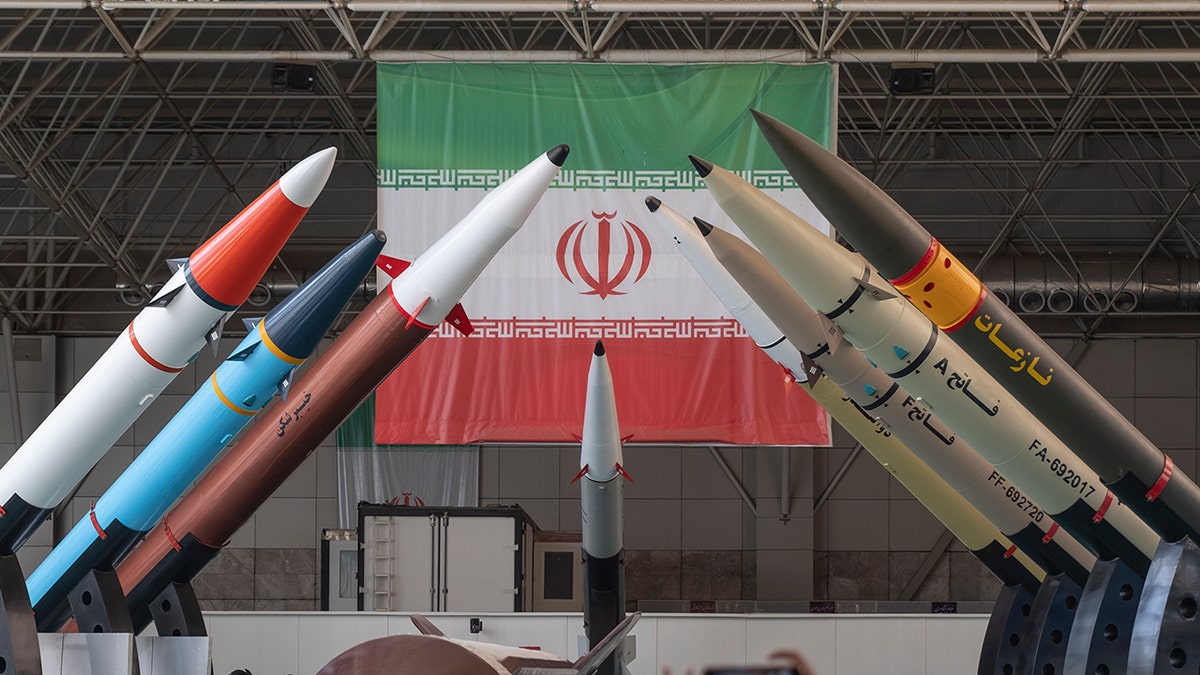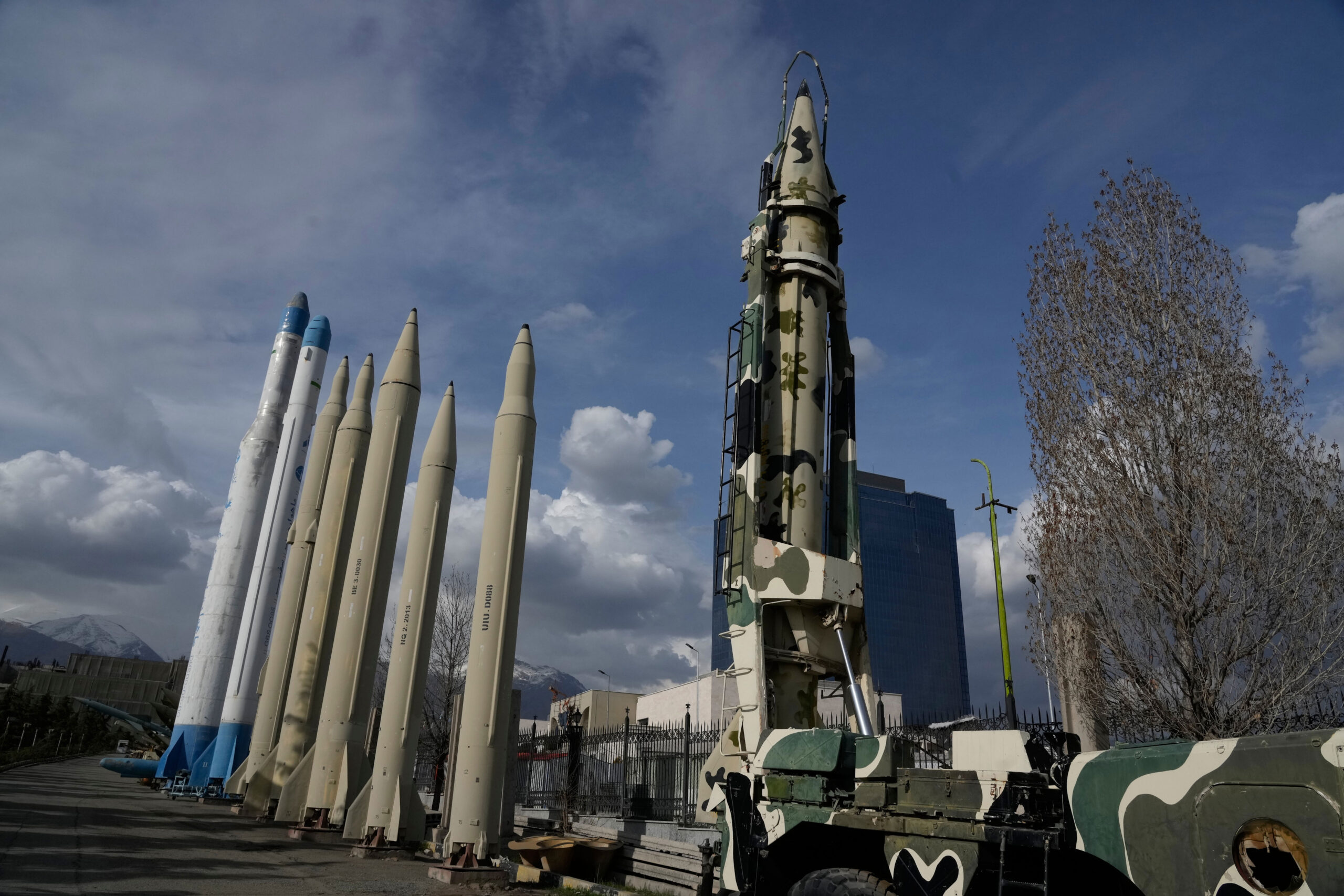
Saudi Arabia and Iran have spent the last couple of years selling a calmer storyline, but damage from alleged missile strikes has a way of dragging the past back into the room.
What You Should Know
The Hill reported new details around alleged missile-attack damage tied to the long-running Iran-Saudi shadow conflict. The renewed focus lands as Riyadh balances deterrence, diplomacy, and energy security, and as Washington tries to avoid another regional spiral.
The immediate fight is about physical damage. The bigger fight is about attribution, credibility, and leverage, specifically who gets pinned publicly, who gets protected quietly, and who pays the strategic price if the evidence hardens.
How Damage Assessments Turn Into Leverage
When analysts, officials, or lawmakers talk about damage, they are usually referring to more than just craters and shrapnel. They are discussing whether the strike was intended as a warning, whether defenses failed, and whether the attacker can do it again at its choosing.
That matters because Saudi Arabia has reasons to keep some ambiguity alive, including room for diplomacy with Tehran and a desire to project control at home. Meanwhile, Iran has reasons to deny direct involvement, even when its regional partners brag, because a clean attribution can invite sanctions, retaliation, or coalition-building.
What the Public Story Can Prove, and What it Cannot
Public reporting on cross-border strikes in the Gulf often relies on a familiar stack of evidence, including debris analysis, trajectory assessments, satellite imagery, and intelligence judgments. However, intelligence judgments are not court verdicts, and debris photos rarely include a chain of custody that would satisfy a defense lawyer.
The result is a recurring contradiction. Officials will say they are confident about responsibility, but the public rarely gets the full underlying file, and regional actors will keep competing narratives alive to protect alliances and avoid escalation. Even in the well-documented attacks on Saudi oil infrastructure in the late 2010s, the global impact was clear, but the attribution fight remained politically combustible.
One line from the period captures the posture the crisis can force on Washington: “We are locked and loaded depending on verification.” That was President Trump, weighing U.S. posture after attacks on Saudi oil facilities put supply security at the center of global markets again.
What to Watch Next
Watch for three pressure points: whether Riyadh frames any new damage as a technical issue or a national security emergency, whether Washington turns attribution into formal action, and whether Tehran treats the headlines as a nuisance or as proof its deterrence is working.
Damage can be repaired. The harder question is whether the next round of evidence narrows the space for denials and forces the region to choose between de-escalation as policy and deterrence as spectacle.