She showed up at court seeking a permanent restraining order. She walked out into the rain, and, according to an advocate who was with her, the next people to grab her were federal agents.
What You Should Know
A domestic-violence complainant in New Jersey was detained outside the family court after testifying in a restraining-order hearing, according to an account reported by The Atlantic. Advocates say courthouse enforcement is changing how noncitizens report abuse and seek protection.
The Atlantic reported that the woman, a 35-year-old mother of two, had alleged her ex-boyfriend assaulted and raped her, an accusation his lawyer denied. A 67-year-old volunteer advocate, who spoke anonymously under confidentiality rules, said two agents without visible uniforms or identification tackled the woman outside the courthouse and drove her away in an unmarked car.
The Courthouse, Once a Shield, Now Looks Like a Net
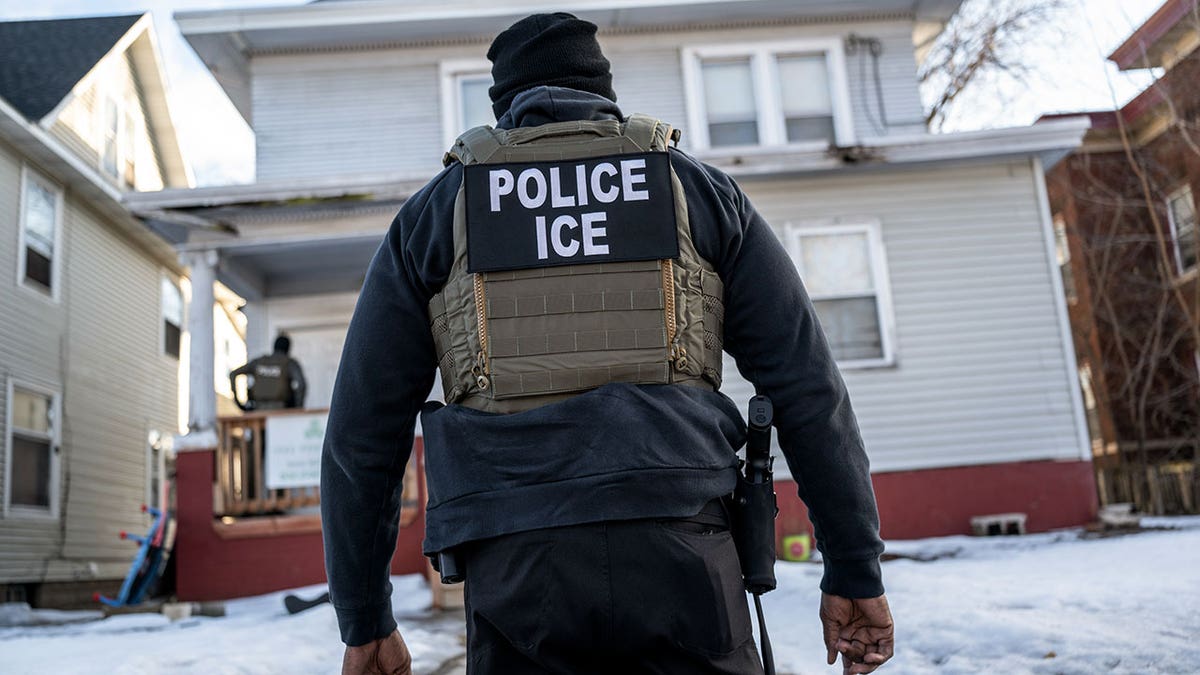
The bigger shift is policy, not just one arrest. The Atlantic reported that, after President Donald Trump returned to office, his administration revoked ICE guidance that had told officers to avoid arrests at so-called sensitive locations, which included courthouses.
A Department of Homeland Security spokesperson defended the strategy in an email to The Atlantic, calling courthouse arrests “common sense” and arguing they are safer for officers and easier on resources because agents already know where a target will be.
However, victim advocates and lawyers told The Atlantic the fear travels faster than any memo. The reported pattern includes noncitizen victims who sought help from police or courts, only to end up in ICE custody, creating a pressure point abusers can exploit with threats like, “Report me, and you get deported.”

The U Visa Was Built for this, and Critics Say it became a Loophole
Congress tried to reduce that leverage decades ago. In 2000, lawmakers expanded protections tied to the Violence Against Women Act by creating visa options, including the U visa, for victims of certain serious crimes who cooperate with law enforcement, with a statutory cap of 10,000 visas per year.
The Atlantic reported that Trump officials reversed Biden-era ICE guidance that encouraged officers to check whether an arrestee was a crime victim and to exercise leniency. The DHS spokesperson also argued that victim visa programs had become “loopholes for illegal aliens” and cited rising application numbers, while acknowledging fraud concerns flagged by oversight and prosecutors in some cases.
When Reporting Drops, So Does Leverage Over Abusers
The public-safety argument from advocates is blunt: If victims avoid police and courts, abusers gain room to operate. The Atlantic cited a prior ACLU and National Immigrant Women’s Advocacy Project survey of law-enforcement officers in which nearly 70% said domestic-violence investigations had become more difficult amid heightened enforcement, and it pointed to research, including analysis from the Cato Institute and an American Economic Review-accepted study, suggesting reporting tends to fall when immigration enforcement spikes.
“This is making all of us less safe,” Morgan Weibel, the legal-services director at the Tahirih Justice Center, told The Atlantic.
What to watch next is not just ICE’s arrest numbers, but the quieter metrics: restraining-order filings, 911 call volume, and whether local courts and police departments change protocols to keep victims engaged, while federal enforcement keeps treating courthouses as predictable pickup points.