

For years, Jeffrey Epstein has been treated like a closed chapter: arrested, dead, and legally untouchable. Now Congress is poking at the living people around him, and one big name just got pulled into the light.
What You Should Know
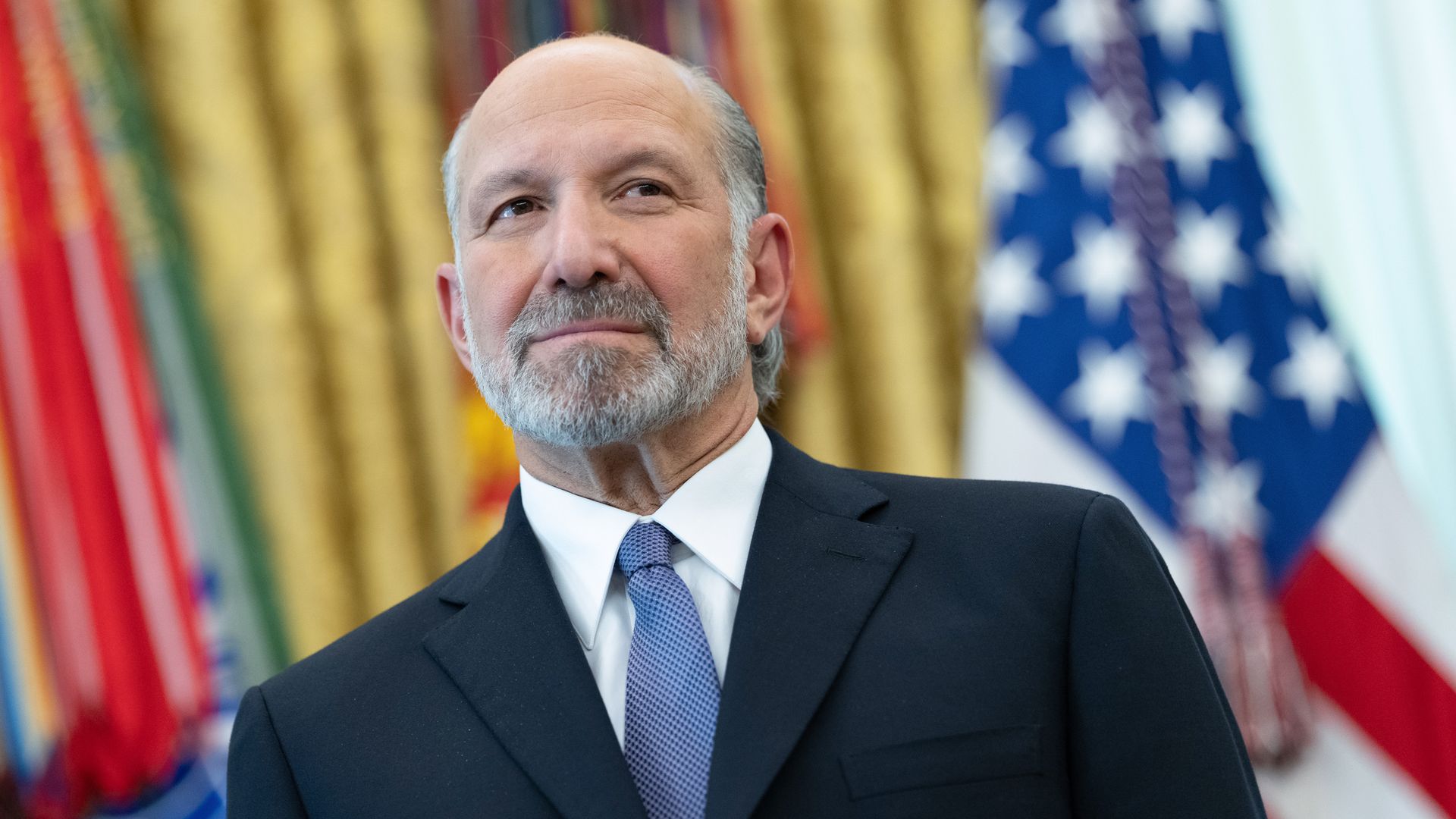
Axios reported on April 6th, 2026, that the House Oversight Committee directed questions to financier Howard Lutnick about connections involving Jeffrey Epstein. The inquiry adds to lawmakers’ broader push to map Epstein’s relationships beyond the criminal case.
Lutnick, a Wall Street power player best known as the longtime head of Cantor Fitzgerald, is not being accused of Epstein’s crimes in the reporting. The point is leverage and documentation: Congress wants timelines, contacts, and any records that clarify how Epstein operated in elite circles.
The Lutnick Questions, and Why Congress Cares
According to Axios, House Oversight’s interest in Lutnick is part of a wider effort to understand the network that surrounded Epstein, the late financier who faced federal sex-trafficking charges in 2019. In Washington, the question is rarely just, “Who committed the crime?” It is also, “Who enabled access, credibility, money, or cover?”
That framing matters because it changes the stakes. A congressional inquiry does not need to prove a criminal case to do damage. It can force public answers, surface emails, and put powerful people on the record in ways that become reputational facts, even when no charges follow.
Epstein’s Money Trail Is the Real Battlefield
Epstein’s pull was not that he was famous. It was that he was useful, or at least marketed himself that way. When federal prosecutors arrested him on July 8th, 2019, the case put his wealth and access on the same page as the allegations, and it invited a second question: who kept doing business with him, and why?
When Epstein died in federal custody on August 10th, 2019, it froze the courtroom version of that story. Then-Attorney General William Barr said, “I was appalled to learn that Jeffrey Epstein was found dead in federal custody,” a line widely reported at the time as investigators faced immediate questions about oversight, accountability, and how many loose ends would stay loose.
That is the vacuum Congress keeps trying to fill. Lawmakers cannot cross-examine a dead defendant, but they can demand clarity from the institutions and executives who orbited him. Even when those people insist the relationship was limited, the paper trail, or lack of it, becomes the headline.
What Happens Next
If House Oversight presses forward, watch for whether it requests documents, schedules transcribed interviews, or frames the inquiry as a broader look at gatekeepers in finance and philanthropy. Lutnick’s response, and whether it is detailed or narrowly lawyered, could determine whether this stays a one-cycle curiosity or turns into a longer, subpoena-shaped problem.