Washington can handle a firing. What it struggles to handle is a firing at the top of the U.S. Army, during overseas combat operations, with no paper trail in public and no clear rationale on the record.
What You Should Know
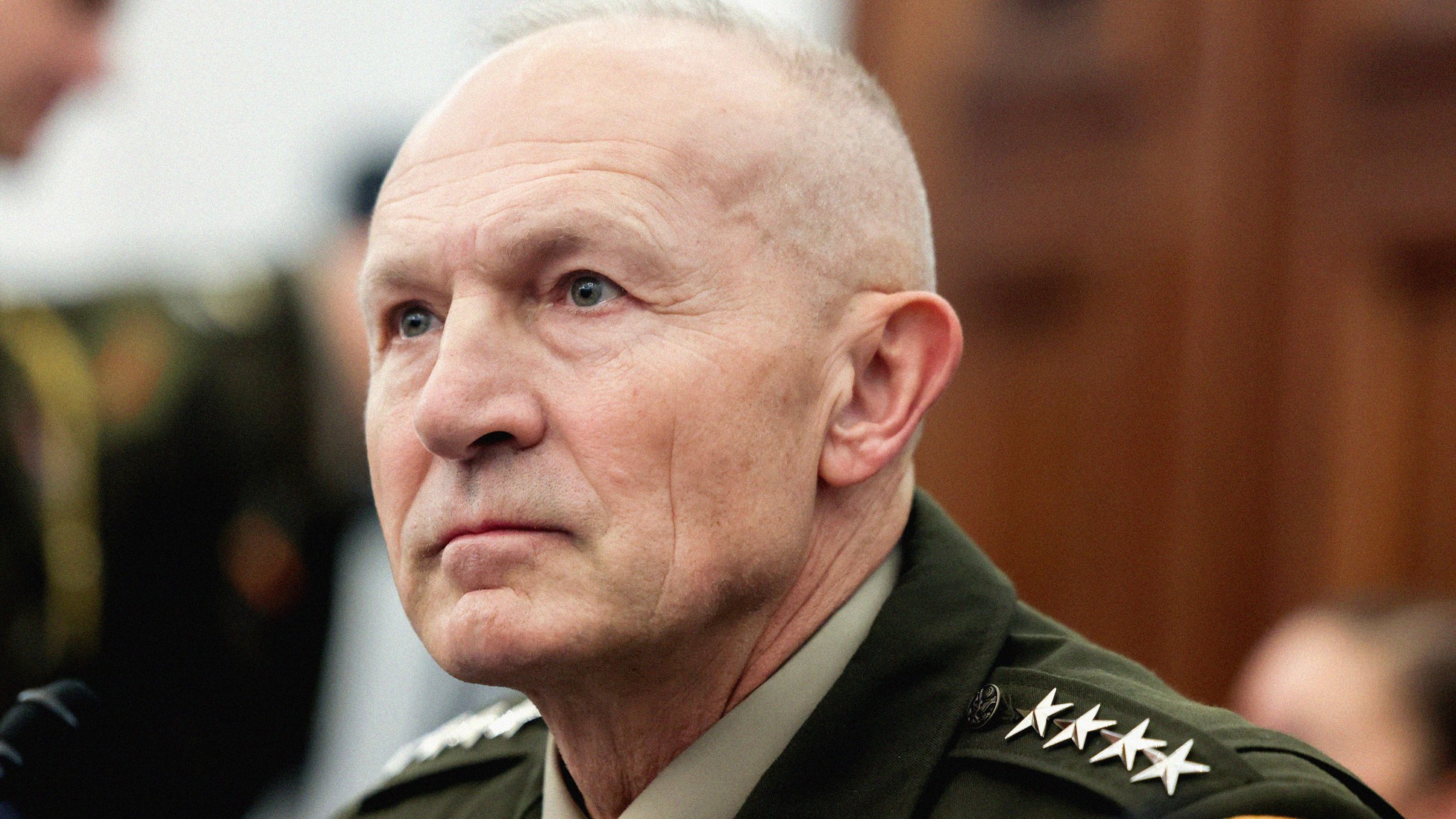
The Atlantic reported on April 2nd, 2026, that Defense Secretary Pete Hegseth fired Army Chief of Staff Gen. Randy George and other senior officers without publicly stating a reason. The Pentagon did not provide a detailed explanation in the account.
The piece, written by The Atlantic’s Tom Nichols, casts the move as more than a personnel shuffle. It reads like a power play inside the Pentagon, with the Army and its civilian leadership caught in the crosshairs.
A Purge With No Public Rationale
According to The Atlantic, Hegseth fired George, the Army’s chief of staff, alongside Gen. David Hodne and Maj. Gen. William Green Jr., identified as the Army’s top chaplain in the column. Nichols wrote that the Defense Department gave no official reason for the dismissals.
Nichols also argues the firings fit a broader pattern of culture-war targeting and internal score-settling, noting Hegseth’s long-running grievances with the Army. He pointed to Hegseth’s own words from a 2024 book, where Hegseth said the service “spit me out.”
Yes, Civilian Leaders Can Fire Generals
The U.S. system is built on civilian control of the military, and the president is commander in chief under Article II of the Constitution. Senior military jobs also sit inside a legal framework, which is why a sudden personnel earthquake can be both lawful and destabilizing.
That tension is the heart of Nichols’ argument: the legal power to remove senior officers is not the same thing as a persuasive case for doing it abruptly, mid-conflict, and without explaining the operational logic. When the Pentagon offers silence, outsiders fill in motives, and insiders start counting who benefits.
What to Watch Next Inside the Pentagon
The Atlantic account spotlights another pressure point, Secretary of the Army Dan Driscoll, and suggests the internal struggle is partly about who holds real leverage over promotions, discipline, and the Army’s public posture. In that picture, the firings send a message not just to uniformed leadership, but to the civilians around them.
The next test is whether Congress demands answers in public, or whether the officers pushed out of command decide to speak once they are civilians. The loudest signal so far is the quiet itself, and in a system built on accountability, that is a risky habit to normalize.