


France is digging into X, and the investigation is no longer just a European headache. It has crossed the Atlantic, landing in the part of the U.S. government tasked with moving evidence across borders.
What You Should Know
The Hill reported that the U.S. Department of Justice is involved with a French probe tied to X. The development puts Elon Musk’s platform in the spotlight over data access, legal cooperation, and who controls the receipts when governments ask questions.
X, the social platform Musk bought and rebranded from Twitter, has spent months projecting an image of maximal speech and minimal restraint. Meanwhile, government investigators have their own language: requests, records, and deadlines.
France Wants Answers From X
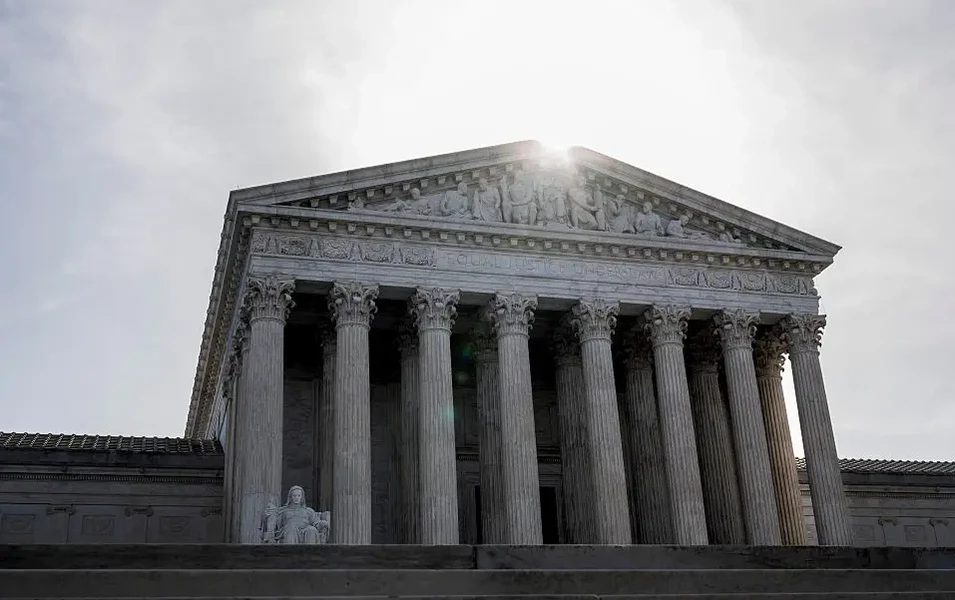
According to The Hill, the Justice Department has become part of the U.S. side of a French investigation involving X. The key detail is not a flashy accusation. It is the mechanism: when a foreign probe needs evidence that may sit in another country, it often runs through official legal channels.
In Washington, that channel typically runs through the Justice Department’s Office of International Affairs, which coordinates international evidence requests and related cooperation. In other words, the question is no longer only what France suspects. It is what France can compel, and what the U.S. system will process.
That is where power dynamics start to show. Musk controls the platform. Governments control market access, regulatory pressure, and the ability to turn noncompliance into expensive problems.
Musk’s Free Speech Pitch Meets Legal Paperwork
Musk has framed X as a free speech project, while critics, advertisers, and regulators have focused on content moderation, account enforcement, and the spread of illegal content. Those arguments are political on the surface, but they get practical fast when an investigation calls for data.
“What is illegal offline is illegal online.” The European Commission has used that line to frame the logic behind the EU’s Digital Services Act, a law that increases compliance expectations for major online platforms.
The tension for X is that a brand built on resisting outside pressure still has to operate inside legal jurisdictions that can demand information, impose penalties, or threaten access. Europe, in particular, has leaned into the idea that platforms should document risks, cooperate with oversight, and demonstrate they can meet legal obligations.
The Real Stakes, Data, Money, and Precedent
If investigators are requesting account details, messages, or internal records, the outcome is not just a single case file. It sets expectations for future probes by other countries, and it tests how quickly X can respond after staff cuts and policy changes that followed Musk’s takeover.
For Musk, the business stakes are also reputational. X has fought to stabilize advertising and credibility, and a public fight over cross-border legal cooperation can spook brands, regulators, and users at once.
What to watch next is whether the U.S. process produces usable material for French authorities, and how X responds if legal demands collide with the platform’s public posture. When investigations go international, the quiet paperwork can become the loudest storyline.