Arizona’s 2026 midterms were supposed to be about tight congressional math and statewide offices. Instead, the early drama centers on who gets to pull the levers of the vote count in Maricopa County, and what happens when the people in charge do not agree on the rules.
What You Should Know
A Maricopa County Superior Court judge largely sided with Recorder Justin Heap in a lawsuit against the county board of supervisors, shifting more operational control to his office. Heap has also changed mail-ballot signature reviews and promoted the use of the DHS SAVE system, drawing pushback from top state officials.
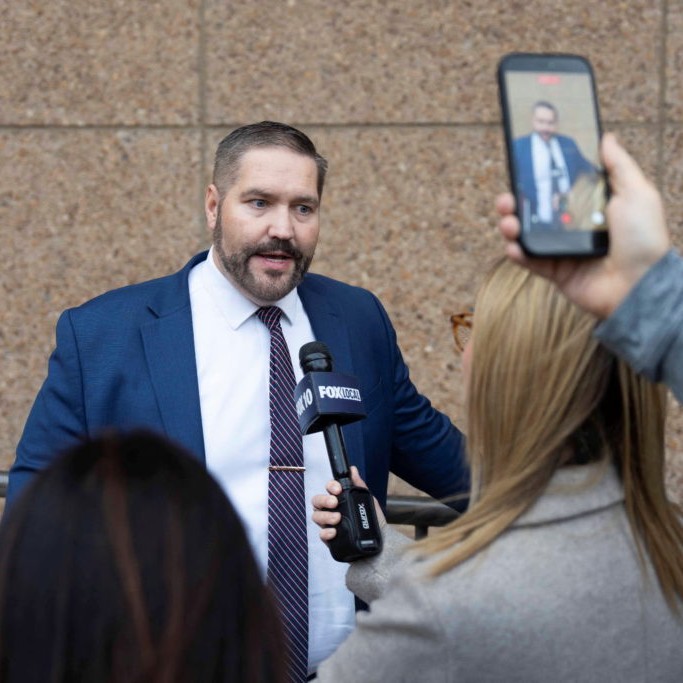
Heap, a Republican and self-described election reformer, is overseeing his first statewide election as the elected recorder in Arizona’s most populous county. His critics include members of the county board of supervisors, as well as Democratic statewide officials who say his moves risk confusing voters and eroding trust in a county already saturated with conspiracy talk.
The Lawsuit Was About Budgets, Staff, and Control
The fight is not just ideological. It is operational. Heap sued the supervisors in June 2025, backed by America First Legal, arguing the board had cut deals that shifted money, IT staff, and key election functions away from the recorder’s office, including drop boxes, early ballot processing, and early voting site placement.
The judge’s ruling, as reported in an Associated Press account carried by PBS NewsHour on April 18th, 2026, largely favored Heap and gave his office more authority over election operations. The board chair, Kate Brophy McGee, said the supervisors will consider an appeal, keeping the power struggle alive as election deadlines tighten.
Mail-Ballot Signatures Are the Next Flashpoint
Heap also changed how workers verify signatures on mail ballot envelopes, telling the board the new method relies on reviewers from both parties and adds extra rounds of review for signatures flagged as questionable. Supporters frame it as more rigorous. Detractors see a system that could quietly reject more ballots from eligible voters.
Supervisor Thomas Galvin, a Republican, pointed to the November 2025 local election and said the rejection rate was huge relative to prior elections. Heap’s position is simpler: either the signatures match, or they do not.
SAVE Checks Bring DHS Into the Story
Then comes the citizenship check, which turns a county dispute into a national proxy fight. Heap has promoted using voter records to run through the U.S. Department of Homeland Security’s SAVE system to identify registered voters who may not be citizens, an approach that election experts and some officials have criticized as prone to false positives.
Secretary of State Adrian Fontes, a Democrat, warned that the tool is not a clean trigger for voter-roll action, saying, “The SAVE system is notoriously inaccurate.” Fontes also questioned the timing of Heap’s announcement, which coincided with a Phoenix-area news conference featuring then-DHS Secretary Kristi Noem promoting a proof-of-citizenship bill, calling it more of a headline grab without additional information. With Arizona’s primary and general election calendar approaching, the next test is whether this newly rebalanced chain of command can run an election without turning routine administration into another courtroom storyline.