The Pentagon just yanked the Army’s most senior uniformed officer out of his job in the middle of a shooting war. The public is being asked to accept it without a reason, a timeline, or even a basic explanation.
What You Should Know
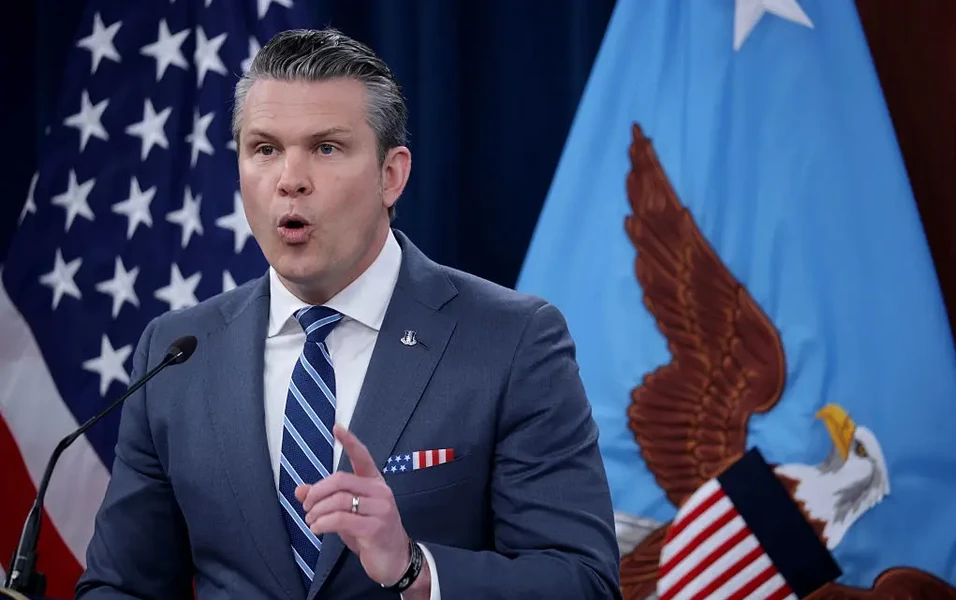
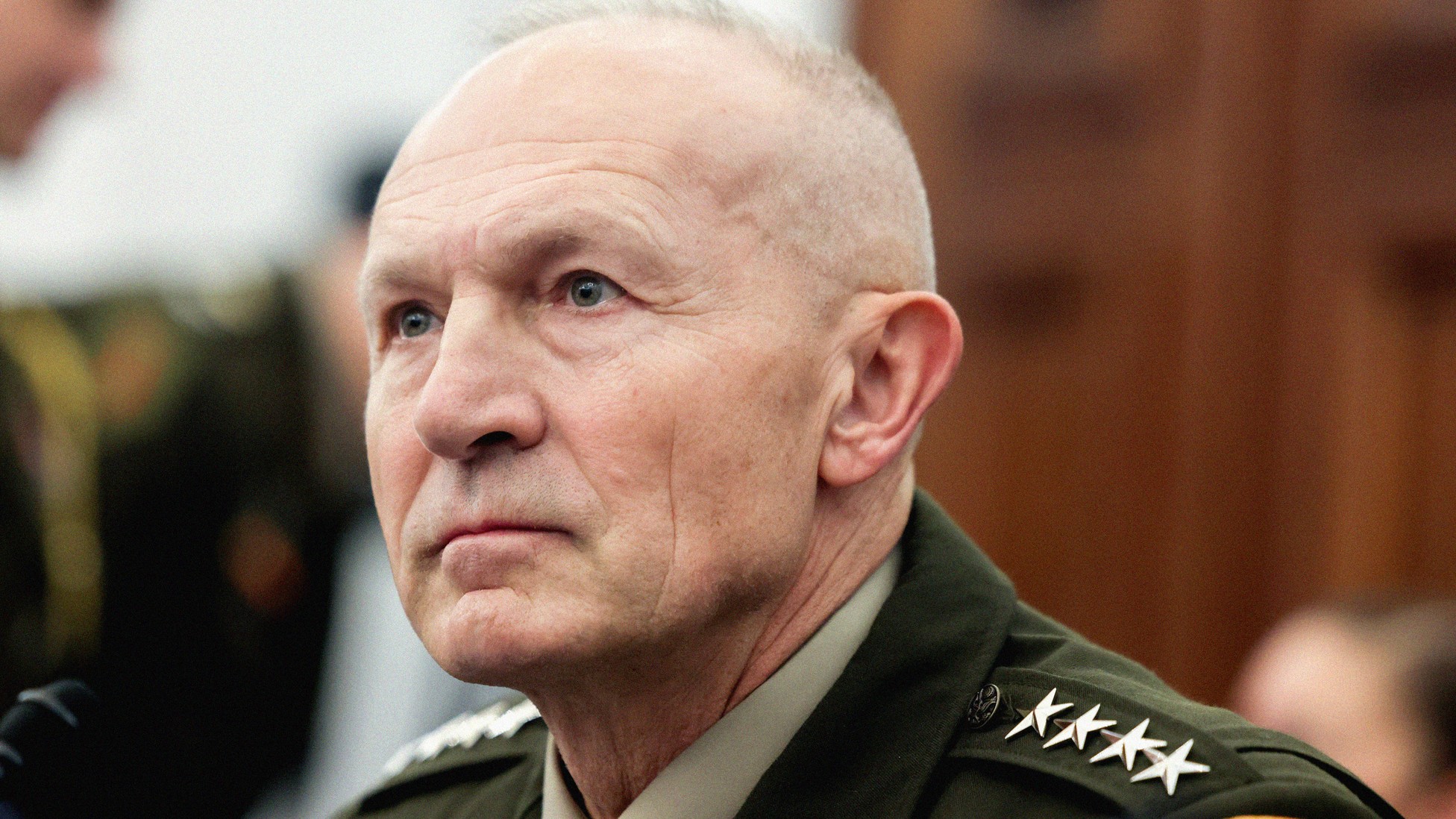
Secretary of Defense Pete Hegseth removed Gen. Randy George as Army chief of staff and also ousted Gen. David Hodne and Maj. Gen. William Green Jr., according to The Atlantic. The Defense Department has not publicly offered a reason for the dismissals.
In Washington, firings happen quietly all the time. What makes this one louder is the rank, the timing, and the vacuum where an official rationale usually sits, especially while U.S. forces are fighting overseas.
A Purge With No Paper Trail
Tom Nichols, a national security writer at The Atlantic, described George’s removal as part of a rolling shake-up that has hit senior officers, particularly those seen as close to Army Secretary Dan Driscoll. Nichols wrote that the Defense Department provided no official reason for the decisions.
That silence matters because George was not some placeholder. According to The Atlantic, he is a decorated combat veteran who had been expected to remain in the job until 2027, and he had not publicly feuded with Hegseth.
Nichols also pointed to a personal edge in Hegseth’s posture toward the Army, citing the defense secretary’s own words about his earlier service. In a 2024 book, Hegseth said the service “spit me out,” a line Nichols presented as context for what he framed as grievance-driven leadership.
At the same time, Nichols argued the personnel moves track with a broader effort to inject politics into the officer corps. He cited Hegseth’s push to remove senior leaders, his public focus on DEI, and his reported interventions in promotion lists, all while top uniformed commanders largely stayed publicly disciplined and quiet.
The Legal Power Is Real, the Norms Are Fragile
None of this requires a criminal allegation to be destabilizing. Under federal law, the Secretary of Defense is the principal assistant to the President in defense matters, and the civilian chain of command has wide authority over assignments and removals.
But the Army chief of staff is not a midlevel manager. The position is defined in statute, and it sits at the center of readiness, personnel, and war planning, which is why sudden turnover triggers a simple question: What changed, exactly?
The political stakes are obvious. If the firings are about performance, the Pentagon can say so and put the record on the table. If they are about loyalty, ideology, or internal rivalries, the consequences are bigger, because the U.S. military’s credibility depends on the perception that promotions and command decisions are not campaign spoils.
What to watch next is not just who replaces George, Hodne, and Green, but who speaks on the record. Nichols suggested that once these officers are civilians, they may be freer to explain what happened inside Hegseth’s Pentagon, and the Senate may decide it wants answers, too.