

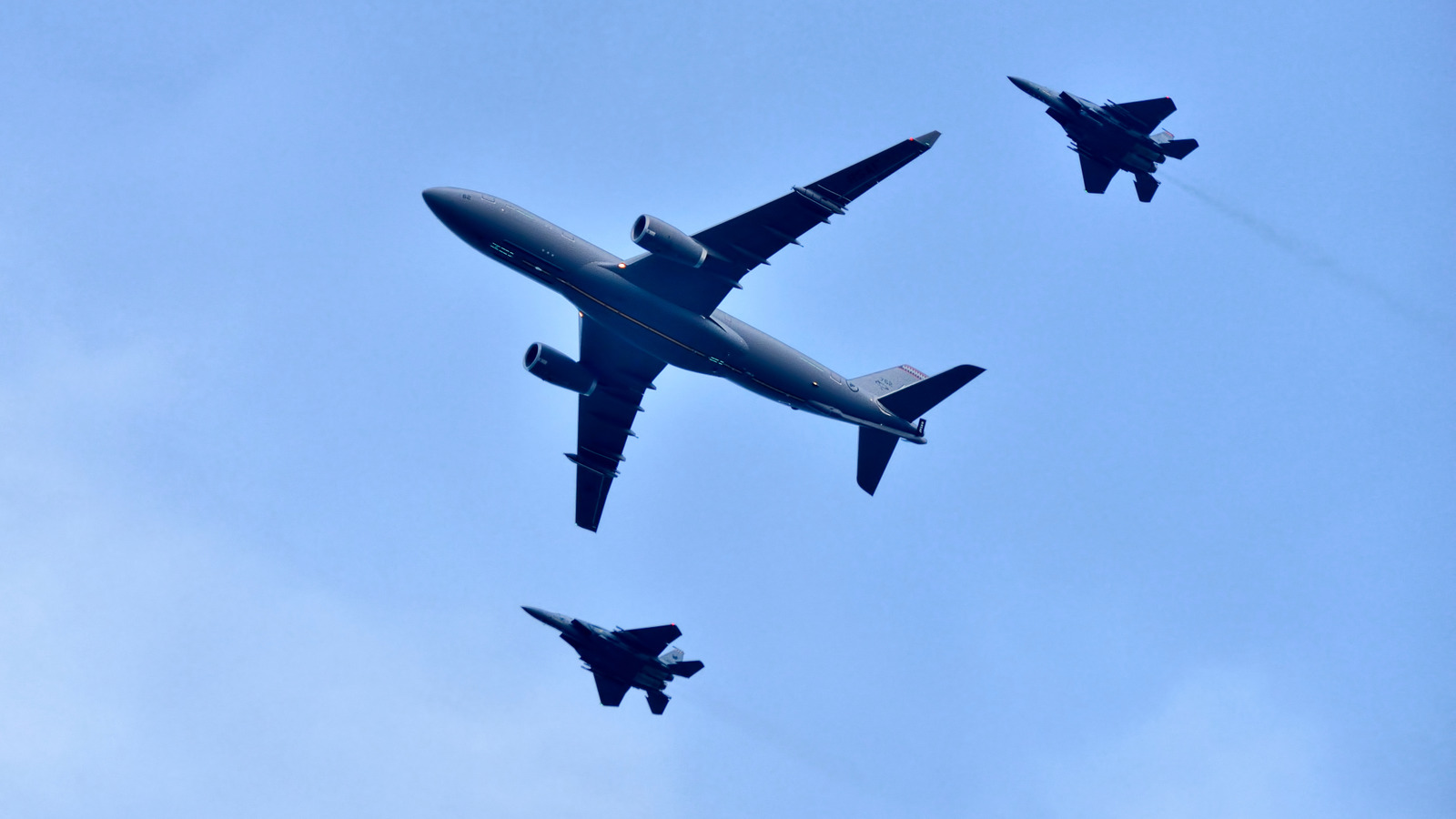
A single civilian aircraft wandered into the wrong slice of sky near Washington, and suddenly the most expensive traffic cops on Earth were on its wing. The part everyone hears about is the fighter jets. The part that matters comes after.
What You Should Know
Fighter jets were scrambled to escort a civilian aircraft after it entered restricted airspace near Washington, according to The Hill. Such intercepts are part of the standing air-defense posture around the National Capital Region.
The basic cast is familiar: NORAD in the air, the FAA on the radios, and a ring of permanently sensitive airspace that treats mistakes like potential threats until proven otherwise.
Inside the Intercept
When an aircraft triggers an air-defense response, the goal is not drama. It is compliance. The intercept is meant to get the pilot to acknowledge instructions, maintain course, and exit restricted airspace without anyone having to guess intentions.
That is why official statements often sound calm even when the response is maximal. The public typically gets a line like, “At no time was the aircraft considered a threat,” paired with just enough detail to explain why people heard jets, saw flares, or felt the house rattle.
It is a strange contradiction baked into the system. The posture is aggressive because the stakes are high, but the messaging is conservative because investigators do not want to overstate what they cannot prove in real time, especially when early facts can change.
The No-Fly Zone Is Paper, Radar, and Politics
Washington is not just another metro area with busy airports. It is a layered map of rules, including special flight restrictions that can tighten quickly when the president, vice president, or other protected movements are involved. Some of those limits are standing. Others can pop up with little notice.
The legal backbone is not secret. Federal aviation rules spell out flight restrictions near the presidential party, and they give the government broad authority to keep aircraft away from protected airspace. In practice, that means pilots are expected to plan, check restrictions, and stay alert even when the weather is perfect and the route looks routine.
For pilots, the consequences can be administrative, criminal, or both, depending on what investigators believe happened and what records show. The jet escort is the headline. The paperwork is where intent, negligence, and accountability get argued.
What Comes After the Escort
What to watch next is simple: whether the FAA identifies pilot error, equipment failure, or a chain of small mistakes that added up to a very loud warning. Around Washington, the airspace is unforgiving, and the response is designed that way for reasons the country learned the hard way.