They called it transparency. But the most revealing detail might be the timing.
After the US Department of Justice blew past a deadline to publish Jeffrey Epstein-related material, it answered with volume: a public release that, according to BBC News, runs to millions of pages, plus images and video.
That kind of data dump does two things at once. It signals power (the government decides what the public gets, and when), and it tests patience (good luck finding meaning in a mountain).
A Deadline Missed, Then a Flood
BBC News reported that the Justice Department released what it described as three million pages, 180,000 images, and 2,000 videos tied to Epstein, the late financier and registered sex offender who died in federal custody in August 2019.
US DOJ Releases Over 3 Million Pages from Epstein Files
• More than 3 million pages, 2,000 videos, 180,000 images published.
• Deputy AG Todd Blanche announces final tranche under Transparency Act.
• Redacted files detail elite ties; Democrats, survivors question release.— The Unbiased Update (@unbiased_update) January 31, 2026
The BBC report framed the release as the largest government document share connected to Epstein since a law mandating disclosure took effect. It also noted the department missed that deadline by about six weeks.
That gap matters because the Epstein story has always been about who gets protected by delay, complexity, and silence. When a deadline slips, critics see the same old machinery. When a dump finally arrives, supporters call it proof that the system worked.
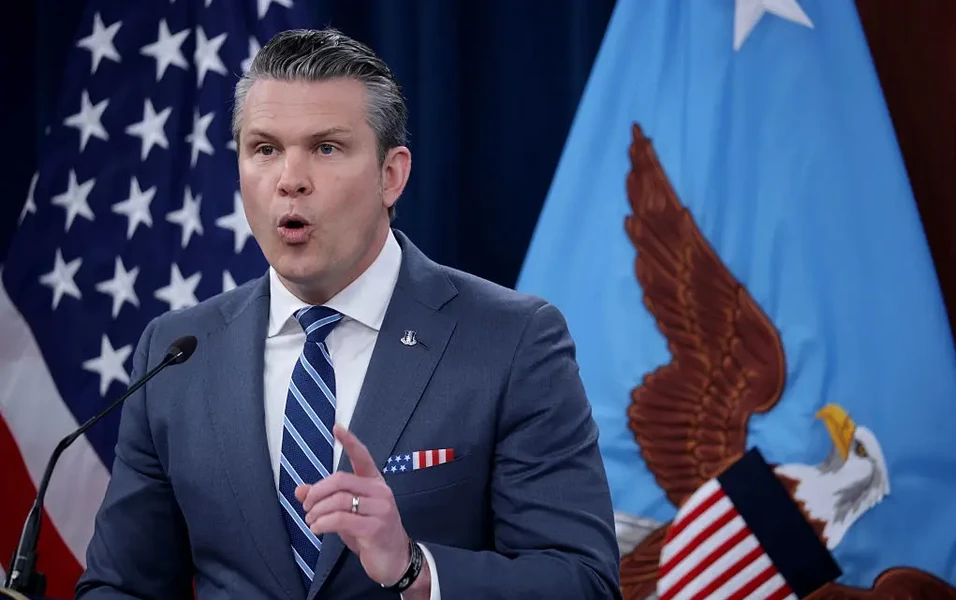
The department, through Deputy Attorney General Todd Blanche, chose the language of closure. In the BBC report, Blanche said, “Today’s release marks the end of a very comprehensive document identification and review process to ensure transparency to the American people and compliance.”
It is a line designed to sound final. The Epstein saga rarely is.
What the Files Contain, According to BBC
The BBC report says the newly released material includes prison-related details, including a psychological report and information connected to Epstein’s death while incarcerated. The BBC also reported the release includes investigative records involving Ghislaine Maxwell, Epstein’s longtime associate, who was convicted in federal court of trafficking-related crimes tied to underage girls.
Then there are the emails, the kind of material that turns a legal archive into a reputational minefield.
BBC News reported that the files contain emails between Epstein and high-profile figures. Many of the documents date back more than a decade and track Epstein’s relationships even after his 2008 conviction in Florida for soliciting sex from a 14-year-old girl, a case that ended in a widely criticized plea deal.
The central tension is not subtle: what does it say about powerful people when the paper trail keeps going after the conviction?
The Royals Problem: Contact Is Not a Crime, but It Is a Receipt
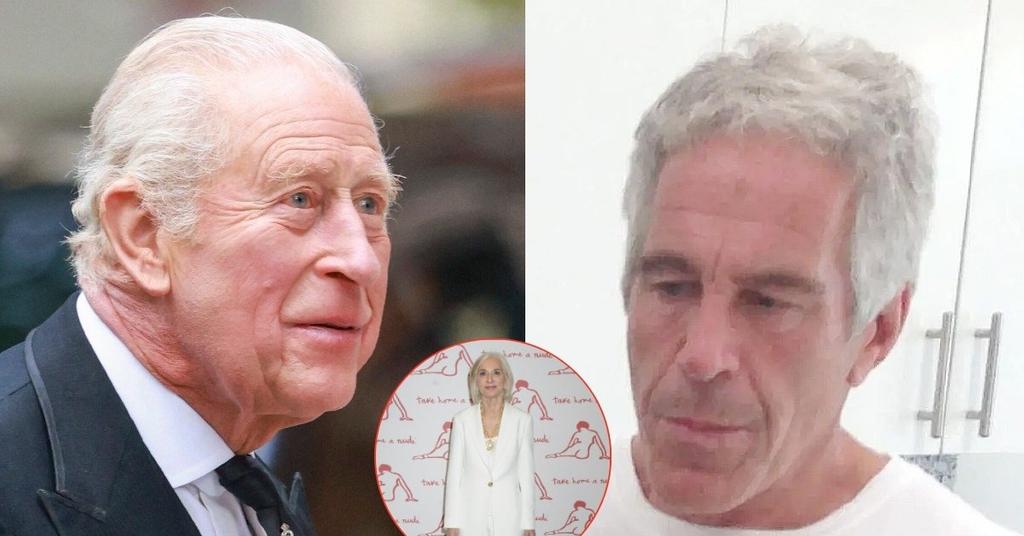
For years, one of the most persistent questions around Epstein has been how he maintained access to elite circles after his conviction. The BBC report points to emails exchanged in August 2010 that appear to be signed with a name beginning with A, alongside a signature that appears to read HRH Duke of York KG.
The BBC report states the emails do not indicate wrongdoing. Still, the presence of correspondence that far into Epstein’s post-conviction life is exactly the kind of detail that keeps the Epstein story in the global bloodstream.
The BBC also reported that it contacted Prince Andrew, formerly known as the Duke of York, for a response, and noted that he has repeatedly denied wrongdoing amid years of scrutiny over his past friendship with Epstein.
In this story, that is the constant push and pull. The public wants clean moral math. The documents often deliver something messier: proximity, familiarity, and the kind of language people use when they think no one else will ever read it.
Sarah Ferguson Emails: Flattery Lives Forever
BBC News also reported that some emails in the latest release appear to be between Epstein and Sarah Ferguson, Prince Andrew’s ex-wife.
One email cited by the BBC, dated April 4, 2009, was signed: “Love, Sarah, The red Head.!!”
The BBC report says the email discussed an upcoming visit to Palm Beach and a desire to have tea, along with ideas for Ferguson’s company, Mother’s Army. The BBC also reported that Ferguson referred to Epstein as: “My dear spectacular and special friend Jeffrey.”
In the same batch, the BBC reported, Ferguson called Epstein a “legend” and wrote: “I am so proud of you.”
There is no allegation embedded in that language by itself. The power dynamic, instead, is reputational. When the recipient is a convicted sex offender under house arrest, praise reads differently in hindsight, especially once it is stamped into an official release.
Mandelson, Money, and a Familiar Pattern
The BBC report also highlights correspondence involving Lord Peter Mandelson, a prominent UK political figure whose past friendship with Epstein has been publicly known and criticized for years.
According to a BBC report, Epstein sent £ 10,000 (approximately $13,692) to Reinaldo Avila da Silva in 2009, who was identified as Mandelson’s husband. The BBC reports that an email exchange shows da Silva outlining the costs for an osteopathy course, providing bank details, and thanking Epstein for any help, followed by Epstein stating that he would wire the amount.
The BBC report also describes a separate email batch in which Mandelson asked to stay at one of Epstein’s properties, with the emails dated June 16, 2009, during a period when Epstein was serving a sentence tied to soliciting prostitution from someone under 18 and was reportedly allowed to work from his office during the day while returning to jail at night.
It is the recurring Epstein theme: not just who knew him, but who kept treating him like a useful address book after the conviction.
BBC News also reported that Mandelson has said he regrets the friendship, saying he never saw wrongdoing and that he fell for Epstein’s lies.
Why This Dump Matters Even Without New Criminal Allegations
Document releases like this are often misunderstood as a single question: Does it prove someone committed a crime?
The more immediate consequence is usually political and social, not criminal. Once emails, contact lists, scheduling chatter, and financial back-and-forth become part of an official archive, they become usable by everyone. Opponents, activists, litigants, and rival factions do not need a criminal charge to weaponize proximity.
And for government officials, there is another incentive: a release can serve as a pressure valve. Flood the zone, claim transparency, and dare the public to sort it.
But volume is not the same as clarity. Three million pages can be a revelation, or it can be camouflage.
What to Watch Next
If the BBC-described release truly closes a government review process, the next phase shifts to outsiders: journalists, lawyers, researchers, and political operators combing for contradictions between what influential people said publicly and what they wrote privately.
DOJ TO RELEASE 3.5 MILLION EPSTEIN FILES
The US Department of Justice is preparing to release up to 3.5 million pages of investigative material related to Jeffrey Epstein.
Deputy Attorney General Todd Blanche said the files include at least 2,000 videos and 180,000 images.
He… https://t.co/PPS1UZ5Jhr pic.twitter.com/nnMwz24Zq3
— Hold My Beer News (@holdmybeernews) January 30, 2026
Also watch for a second-order effect. Even if the emails cited by the BBC show no wrongdoing, they can trigger new questions for institutions that trade on reputation, including royal circles, diplomatic networks, philanthropic boards, and political parties.
The Epstein story has never been only about one man. It is about the ecosystem that kept returning his calls.