DHS moved fast on a hulking Utah warehouse, paid a premium to do it, and then, days later, the department hit the brakes. Now the question is whether this was logistics, politics, or a procurement mess that got ahead of itself.
What You Should Know
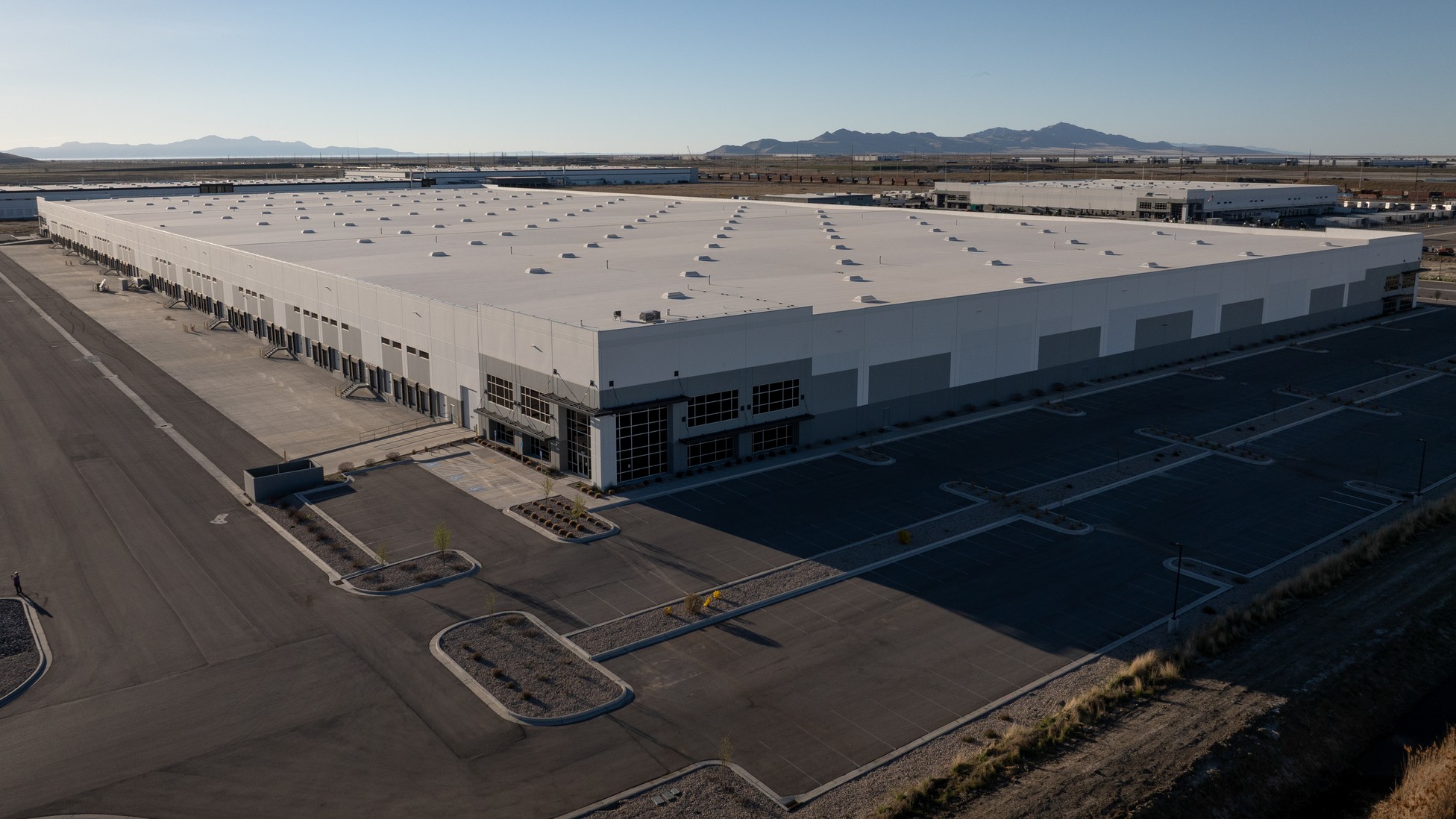
On March 11th, 2026, DHS bought an 833,000-square-foot warehouse near Salt Lake City for $145.4 million, then the new DHS secretary paused plans to convert it into an ICE detention site amid local opposition and legal fights.
The property sits in an industrial zone marketed as Utah’s Inland Port, near the Great Salt Lake, the freeway, and the airport. According to The Atlantic, the seller was a private investment fund controlled by a subsidiary of Deutsche Bank.
The Price Tag That Raised Eyebrows
The building, completed in 2022, had been sitting empty as demand for mega-warehouses cooled. Then DHS swooped in, paying about 50% above the property’s 2025 assessed value, a gap that became a story all by itself.
Commercial real estate data cited in The Atlantic, including a CoStar analysis, suggested that DHS was paying above-market rates on multiple warehouse purchases tied to detention expansion. Local brokers described the Utah price as a standout, with one calling it “just crazy,” as comparable sales in the area landed closer to assessed values.
Mullin’s Pause, Local Leverage
The timing added fuel. The Atlantic reported the deal closed days after President Trump said he would remove Kristi Noem as DHS secretary, and before her replacement, former Sen. Markwayne Mullin of Oklahoma, took over and ordered a pause on conversion plans in Utah and at other sites.
DHS framed it as basic transition housekeeping rather than a retreat. Spokesperson Lauren Bis told The Atlantic, “We want to be good partners,” while local leaders argued they were never treated like partners in the first place.
Local resistance is not just rhetorical. The Atlantic reported lawsuits tied to other warehouse conversions, and described jurisdictions weighing how far they can go in slowing or denying permits, utilities, and infrastructure hookups that a high-capacity detention site would need.
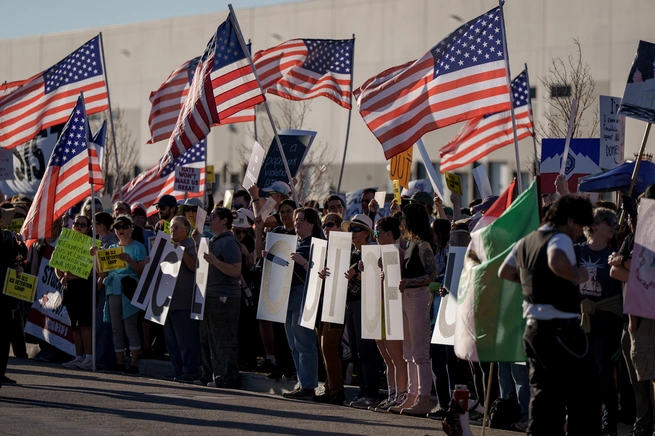
In Salt Lake City, city officials have focused on utilities and water, pointing to the scale of a facility designed for thousands of people and the strain it could put on local services. The Great Salt Lake’s broader water politics hover over the fight, too, because any major new demand invites scrutiny in a region that already worries about drought and dust.
The Contracts Question
Then there is the internal friction inside DHS. The Atlantic reported the acquisitions are now wrapped into an internal DHS investigation into contracts and purchases tied to Noem and Corey Lewandowski, a top adviser who has denied allegations of impropriety and has also denied an affair that has been publicly alleged.
The power dynamic is blunt: Congress-funded enforcement goals, a rapid-fire real estate shopping spree, and local governments testing how much leverage they really have when the federal government arrives with cash and deadlines. The pause may cool the headlines, but the properties are already bought, and the next court order, council vote, or contract disclosure could decide what they become.