

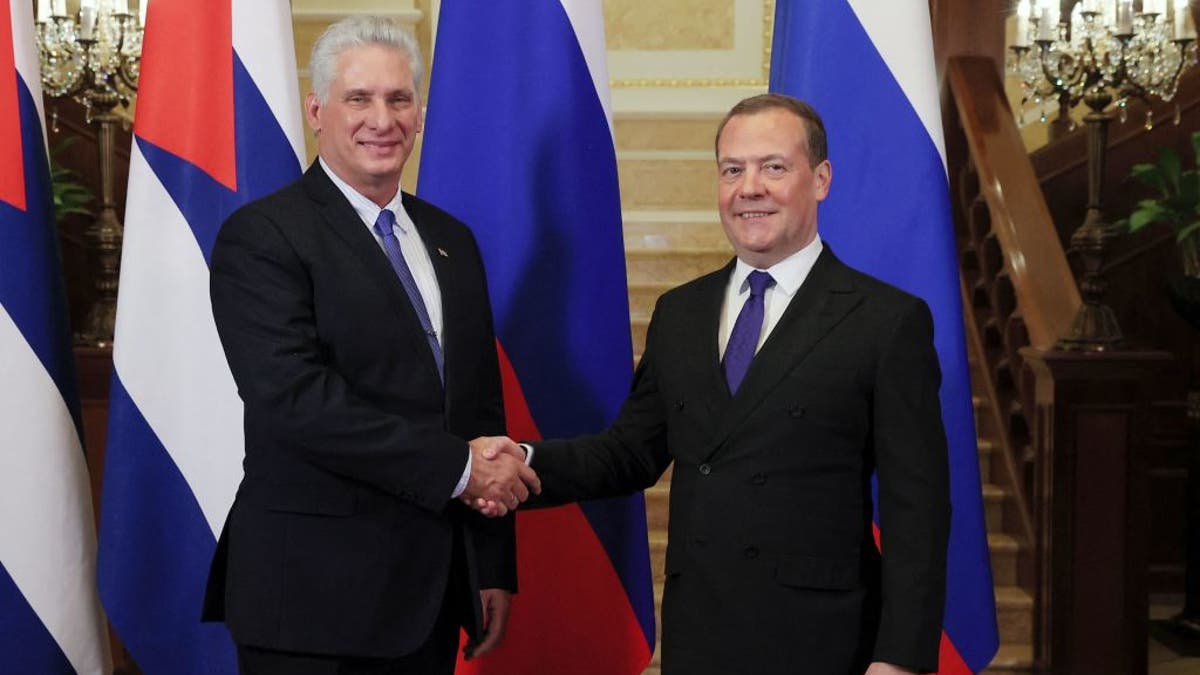
Congress is posing a question that Washington usually avoids until it wants leverage: what is Russia doing in Cuba, and what does the Trump administration know about it?
What You Should Know
Lawmakers are requesting a classified briefing from the Trump administration on reported Russia-Cuba cooperation and any U.S. security implications. The request tests how much the White House will share, how fast, and on whose terms.
The stakes are not abstract. When members demand a briefing, the White House either sets a baseline by cooperating or it declines and lets critics fill the vacuum with suspicion, headlines, and subpoenas.
The Power Move Is the Process
A classified briefing request can look polite on paper, but it is a control play. Congress can turn a closed-door update into a public yardstick, while the administration can use classification to keep details out of reach and pressure off the front page.
That tug of war gets sharper when Cuba enters the chat, because Cuba policy is one of the few foreign-policy arenas where Congress has historically written guardrails into law. A White House that wants flexibility can find itself boxed in by statutes, committees, and political muscle memory.
Sanctions Create Pressure on Both Sides
U.S. restrictions on Cuba are not just rhetoric. They run through Treasury sanctions programs and compliance rules that affect banks, travel, shipping, and any business trying to touch the island without tripping a wire.
That makes the Russia angle uniquely combustible. If lawmakers believe a foreign adversary is gaining influence close to U.S. shores, they can demand tougher enforcement. If the administration believes the intelligence picture is more complicated, it has to explain that without disclosing details it says must stay secret.
Why Cuba Still Triggers Old-World Alarm Bells
The modern panic button in Cuba was installed during the Cold War, and it still works. In his October 22nd, 1962, address during the Cuban Missile Crisis, President John F. Kennedy said, “It shall be the policy of this nation to regard any nuclear missile launched from Cuba against any nation in the Western Hemisphere as an attack by the Soviet Union on the United States.”
No one is claiming 1962 is repeating itself. However, that precedent explains why even a narrow 2026 briefing request can force the White House into a binary public posture: either reassure quickly with facts or resist and absorb the optics of withholding.
What to watch next is simple: whether the administration agrees to brief quickly, whether lawmakers accept limits on what can be shared publicly, and whether either side tries to turn classified silence into a political weapon.