For months, the pitch was simple: a second Trump term would mean a friendlier Washington, lighter regulation, and a cleaner runway for crypto to fly.
Now, bitcoin is trading below where it sat when that political bet was placed, and the damage is spreading beyond the coin itself.
On February 6th, 2026, the price of bitcoin fell about 11%, hovering around $67,000, according to an Associated Press report published by PBS NewsHour. The slide pushed bitcoin below levels seen around the start of President Donald Trump’s second term, undercutting the idea that politics alone could keep the bull case alive.
The Rally Had a Narrative, Then It Had a Bill
In the run-up to the current drop, investors treated the post-election period like a policy tailwind. According to PBS NewsHour, bitcoin climbed for much of the year after the November 2024 election, with expectations of a more crypto-friendly administration helping fuel the move.
However, the market is now wrestling with a less cinematic reality: regulation still matters, legislation still stalls, and even friendly meetings do not equal friendly laws.
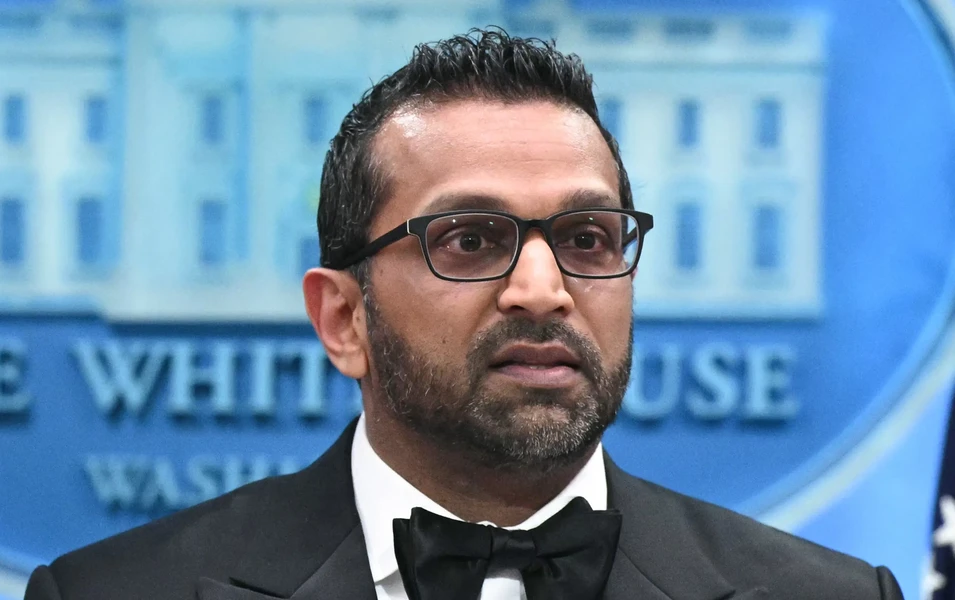
PBS NewsHour reported that the White House hosted banks and cryptocurrency companies at an event aimed at finding common ground on stablecoin legislation. The issue is not technical. It is about power.
The crypto industry wants the ability to pay customers for holding deposits in crypto or stablecoins, according to PBS NewsHour. Banks, which have their own profit model and political muscle, oppose anything that resembles a yield-bearing account outside the traditional system.
That clash, between fintech ambition and bank defensiveness, is the kind of fight that can freeze a bill without a single dramatic vote. PBS NewsHour reported that the stablecoin bill did not appear likely to move forward in Congress.
ETF Flows Look Like a Vote, Not a Speech
If Washington is one pressure point, Wall Street mechanics are another. One of the cleanest gauges of broad investor appetite is the spot bitcoin ETF market, which lets investors track bitcoin without directly holding it.
According to PBS NewsHour, Morningstar Direct data showed about $5.7 billion pulled from spot bitcoin ETFs from November through January. That is not a culture-war argument. It is money leaving.
Meanwhile, bitcoin itself has been losing altitude for months. PBS NewsHour reported that bitcoin, marketed as “digital gold,” fell nearly half from its October 6th record high of $126,210.50, with pricing data attributed to Coinbase.
In other words, the asset that was supposed to thrive as a political and institutional winner is getting treated like what it has always been in stressed markets: a speculative instrument that investors reduce when they want less risk on the books.
Risk-Off Is Not Just a Crypto Story
PBS NewsHour framed the sell-off as part of a broader retreat from speculative assets, including precious metals and digital currencies, paired with anxiety about where crypto regulation is headed in Washington.
That matters because it scrambles a popular talking point. A crypto-friendly president can set a tone, but tone does not stop a liquidation cycle.
Additionally, the pain is not limited to bitcoin holders. Crypto-facing public companies were hit in the same wave. PBS NewsHour reported that Coinbase Global fell 9.1%, Robinhood Markets lost 8.1%, and Riot Platforms dropped 10% during the sell-off.
When the pipes of crypto finance tighten, the damage has a way of showing up in stock tickers, not just token charts.
Strategy and the Price of Being the Biggest Buyer
Then there is the company that turned buying bitcoin into a corporate identity.
PBS NewsHour reported that Strategy, formerly called MicroStrategy, fell 13% as bitcoin slid. The company discloses holdings of 713,502 bitcoin, according to PBS NewsHour, and the math is blunt: an average purchase price above $76,000 means the position is underwater at current levels.
PBS NewsHour reported that the company’s bitcoin holdings were worth about $47.8 billion, compared with the $54.3 billion Strategy said they cost.
For years, the Strategy story sounded like conviction. In a downturn, it reads like leverage to a single thesis, with shareholders along for every swing.
Trump-Adjacent Crypto Takes the Hit, Too
The political dimension gets sharper when the red ink touches ventures tied to the president’s orbit.
PBS NewsHour reported that American Bitcoin, in which Eric Trump and Donald Trump Jr. hold a stake, fell 6.6% and was down more than 80% since October 7th.
Other Trump-related crypto ventures have also declined, according to PBS NewsHour. The report cited CoinMarketCap data showing the market value of the World Liberty Financial token, WLFI, falling to about $3.25 billion from above $6 billion in mid-September.
Even a meme coin branded around the president has not been immune. PBS NewsHour reported that TRUMP traded around $3.93, far below the roughly $45 level cited as the asking price just before the January 2025 inauguration.
That is not a referendum on any single project. It is a reminder that political proximity is not a price floor.
The Contradiction: Friendly Rhetoric, Unfriendly Uncertainty
Crypto has spent years demanding mainstream legitimacy, including clearer rules, institutional adoption, and Washington access. Now, those goals are colliding with the friction that comes with being mainstream.
If stablecoins start looking like interest-paying deposits, banks will fight. If bills stall, investors will not wait forever. If markets turn risk-off, bitcoin can drop even if the politics sound supportive.
Even in the pro-crypto messaging ecosystem, there is an implicit admission that politics is not solved. In a related PBS NewsHour segment, Vice President JD Vance urged crypto enthusiasts to stay active, saying they changed the “trajectory of our country.”
However, markets do not trade on trajectories. They trade on liquidity, regulation, and the next forced seller.
What to Watch Next
Three threads matter more than any single headline about a price break.
First, whether stablecoin legislation re-emerges with enough bipartisan oxygen to survive the banks versus crypto standoff. Second, whether spot bitcoin ETF flows stabilize, since persistent outflows can turn a drawdown into a grind. Third, whether Trump-adjacent crypto projects keep slipping, because those declines add a new layer of scrutiny to an administration that has been publicly associated with the sector.
Bitcoin can still rebound. It often does. The bigger question is whether the crypto-friendly era that investors priced in was ever about policy, or whether it was just a convenient story for a market that wanted to go up.
References
- PBS NewsHour: Bitcoin Price Drops Below Pre-Trump Second Term Levels, Now Hovering Below $67,000
- PBS NewsHour: Bitcoin Dips Below $85,000 Briefly in Crypto Rout
- PBS NewsHour: Vance Urges Crypto Enthusiasts to Remain Active in Politics, Saying They Changed the Trajectory of Our Country
- SEC: SEC Approves Spot Bitcoin ETPs