The airline bosses are not waiting in the TSA line with everyone else, but they are suddenly very interested in how long it is getting. Their message to Congress was simple: fix DHS funding, or the airport mess gets worse.
What You Should Know
Airline CEOs sent Congress a letter calling for a deal to fund DHS during a partial government shutdown, as travelers faced flight cancellations and long security lines. The warning centers on staffing strains that can quickly ripple through major airports.
CBS News reported the letter on January 1st, 2024, as shutdown-driven disruptions piled up for passengers and airlines alike. The pressure point is DHS, the cabinet department that includes the Transportation Security Administration, which controls the checkpoint experience most travelers actually feel.
The CEOs vs. The Shutdown Clock
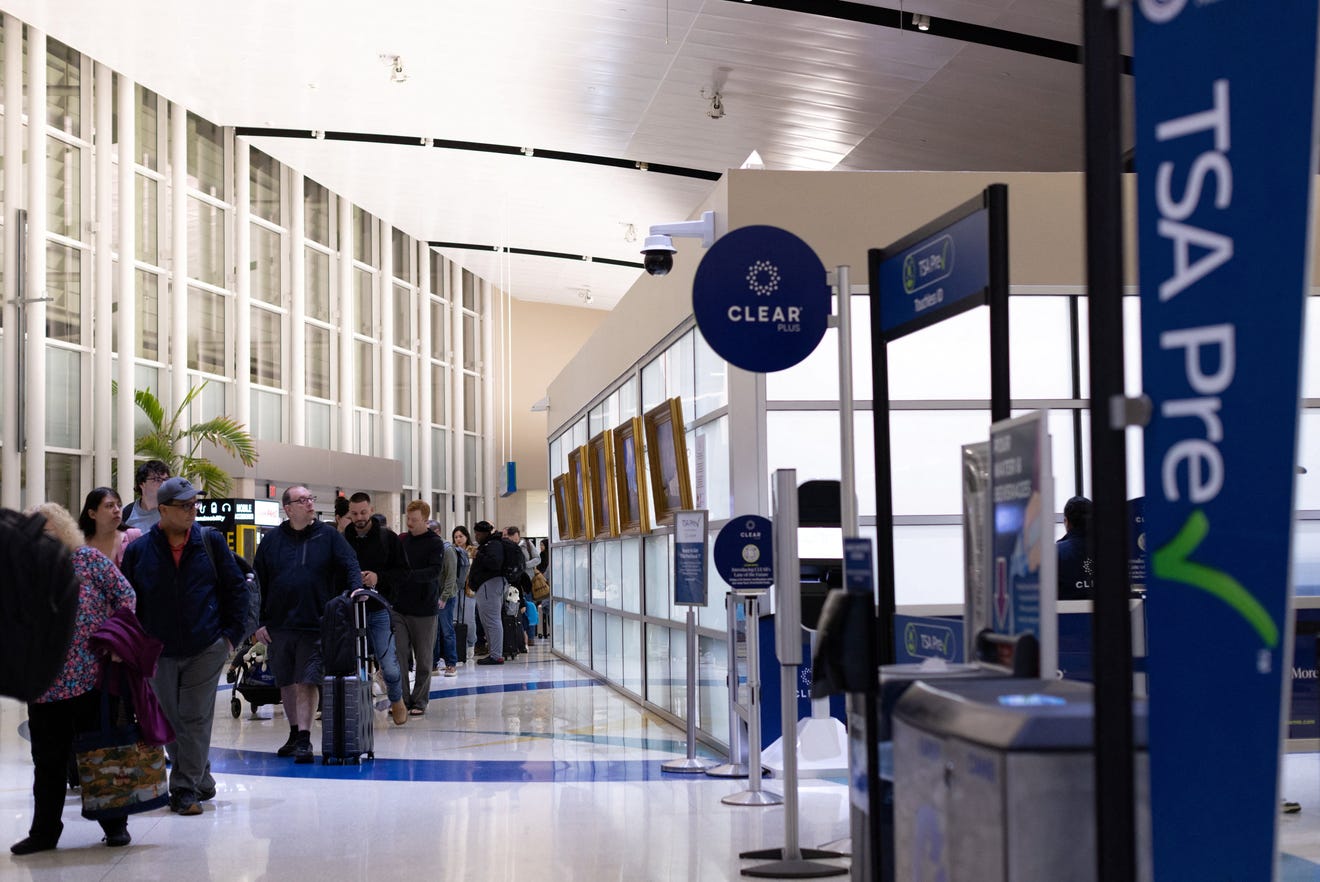
In the CBS report, the airlines positioned themselves as both messengers and stakeholders, arguing that political delay is becoming an operational hazard. CBS News described the scene in plain terms: “As the partial government shutdown continues, travelers are dealing with flight cancellations and long security lines at some airports due in part to staffing issues.”
The power dynamic is the tell. Airlines sell reliability, Congress controls funding, and DHS agencies supply the people who keep the system moving. When staffing buckles, carriers take the hit in the form of angry customers, missed connections, and schedules that unravel gate by gate.
Why DHS Money Hits the Checkpoint
Shutdown mechanics can look abstract until payday becomes a question mark. The U.S. Office of Personnel Management has detailed how shutdowns and furlough rules work across federal agencies, the kind of bureaucratic reality that can translate into fewer people showing up for hard, public-facing shifts.
Meanwhile, TSA publishes checkpoint passenger volume data that shows how quickly screening demand can surge during busy travel stretches. Even a modest staffing dip can lead to long waits because the bottleneck is physical: the checkpoint lanes move only as fast as the staffing model allows.
What Happens Next in the Terminal
The airlines’ letter is also a preemptive defense. If cancellations climb and lines snake, carriers can point back to Washington and say they saw it coming, while lawmakers can argue over which side should blink first in a broader funding fight.
What to watch is not just whether DHS gets funded, but also how quickly normal staffing patterns return and whether airports and airlines keep contingency plans in place even after a deal. The next travel crunch will not care who won the press conference.