

The CDC does not usually get dragged into a high-wire courtroom fight over its own rulebook. This time, a judge is forcing the question: Who actually gets to rewrite the vaccine playbook, and how fast?
What You Should Know
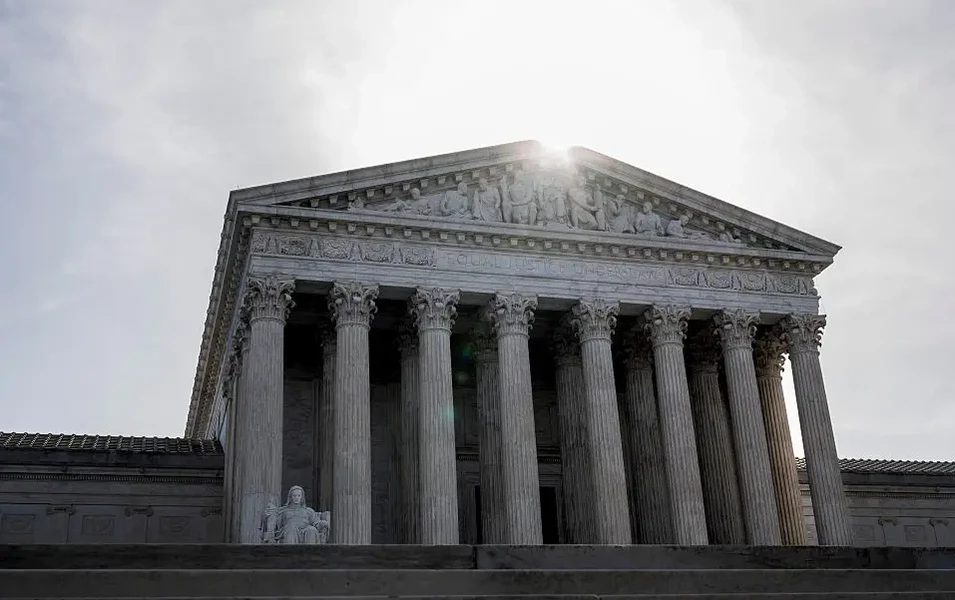
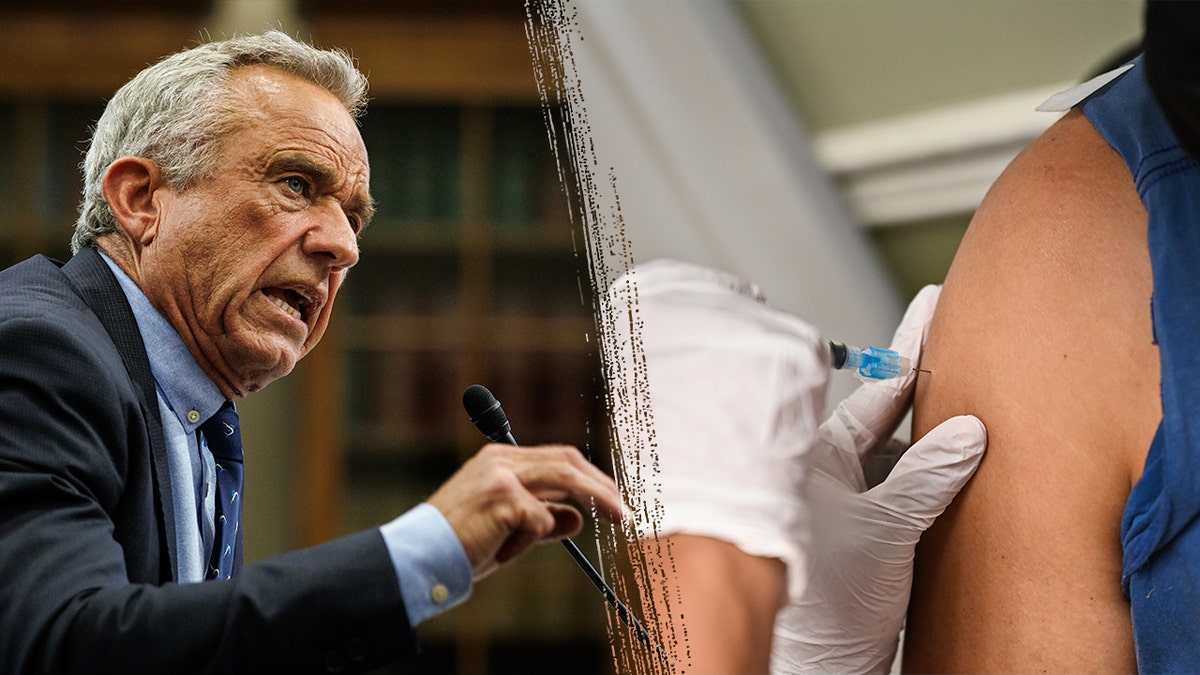
A federal judge has stepped into a legal fight tied to proposed CDC vaccine-policy changes involving Robert F. Kennedy Jr. The case centers on whether the government followed required procedures, and what power limits apply to major public health shifts.
The conflict, first reported by Axios, is less about one personality than about leverage inside the U.S. health apparatus: the CDC’s scientific process, political appointees, and the court’s role as referee when the timeline looks rushed.
The Judge Just Put Procedure on Trial
At the center is the machinery that makes vaccine guidance function as policy. CDC recommendations ripple outward into school requirements, insurer coverage decisions, and the daily practice of medicine, even when the CDC is not passing laws.
When critics run to court, they usually argue the same two pressure points: that agencies skipped legally required steps, and that officials tried to achieve big outcomes through small procedural doors. Judges, in turn, tend to focus on records, timelines, and whether the public got a real chance to weigh in.
“I’m not anti-vaccine, I’m pro-safety.”
Kennedy has used that line for years, and it captures the political bind in this case. Supporters hear oversight and skepticism. Opponents hear a long-running campaign against mainstream vaccination, now colliding with the credibility of a federal agency that sells certainty for a living.
The court’s involvement also changes the incentives. Instead of a messaging brawl, the fight becomes a paper brawl, where meeting minutes, drafts, emails, and scientific citations can matter as much as press hits.
The Hidden Stakes Are Money, Mandates, and Trust
Vaccine guidance is not just a health question. It is a money question, too. Coverage norms, reimbursement decisions, and compliance systems often track established recommendations, which is why even technical language can trigger financial and political shockwaves.
That is why a judge stepping in can freeze momentum, or at least slow it, while the litigation chews on the basics: who has authority, what process was used, and whether the resulting policy would stick. Meanwhile, the longer the case drags, the more it becomes a proxy war over the CDC’s independence and Kennedy’s ability to bend it.
What to watch next is simple. Does the court demand a fuller record and tighter procedures, or does the government convince the judge that the changes sit within normal discretion? Either way, the CDC’s next moves will be read less like guidance and more like a power play.