Ryan Wedding used to chase medals down an Olympic course. Now, federal prosecutors say he chased something bigger: a cocaine supply chain stretching from Colombia to Canada, with Mexico in the middle and Southern California as a staging ground. When he walked into a U.S. courtroom in Santa Ana, California, the first fight was not about guilt or innocence. It was about a single word that changes the story: surrender.
Wedding, a former Canadian Olympic snowboarder, pleaded not guilty on January 26, 2026, to charges that include running a criminal enterprise, conspiracy to distribute cocaine, and murder. Authorities also describe him as a former fugitive who spent years in Mexico, long enough to land on the FBI’s Ten Most Wanted Fugitives list and trigger a $15 million reward offer.
The Surrender Dispute That Could Shape Everything
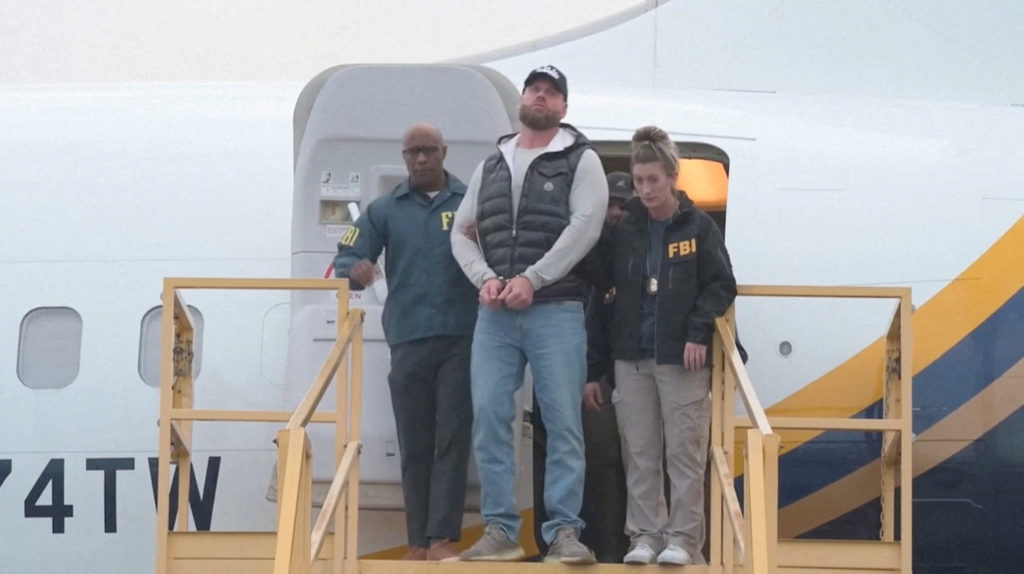
Mexican officials said Wedding turned himself in at the U.S. Embassy in Mexico City and was flown to Southern California after international coordination to capture him. According to PBS News, his defense attorney, Anthony Colombo, put a hard stop on that version outside the courthouse.
“He was arrested,” Colombo said. “He did not surrender.”
That sounds like semantics until you look at the stakes. A surrender can be framed as cooperation, leverage, or even an attempt to manage risk. An arrest, especially after a manhunt, supports the government’s picture of a flight-prone defendant who should not see daylight before trial.
For now, Wedding stays in custody. U.S. Magistrate Judge John D. Early said he could not immediately find conditions that would ensure public safety or Wedding’s appearance in court, while leaving the door open to a future bond request.
The Government’s Version: A Cocaine Pipeline With Cartel Cover
Prosecutors allege Wedding moved as much as 60 tons of cocaine through a route that touched Colombia, Mexico, Canada, and Southern California. They also allege he did not operate alone, or quietly. Authorities believe he worked under the protection of Mexico’s Sinaloa Cartel, one of the country’s most powerful criminal organizations.
The numbers and geography matter because they build the government’s core argument: this was not a lone operator with a few bad choices. It was an alleged logistics network. Boats and planes to Mexico, semitrucks into the United States, storage in Southern California, then distribution north into Canada and across U.S. states, according to an indictment cited in reporting.
Canadian authorities have their own case on file. A 2024 indictment in Canada described Wedding’s group as the largest supplier of cocaine to Canada, and he faces separate Canadian drug charges dating back to 2015.
Murder Charges Raise the Temperature, and the Risk
The drug allegations alone would put Wedding in the legal deep end. The murder allegations are what turn this into a public safety argument the court cannot ignore.
According to U.S. charging documents described in reporting, the murder counts include accusations that Wedding directed the 2023 killings of two members of a Canadian family, allegedly in retaliation for a stolen drug shipment. Another allegation says he ordered a killing in 2024 over a drug debt. A separate accusation, added later, alleges he orchestrated the killing of a witness in Colombia to help him avoid extradition to the United States.
At this stage, those are allegations, not convictions. But they are the kind of allegations that reshape every procedural decision: detention, discovery fights, witness security, and how aggressively prosecutors push for a fast trial.
From Salt Lake City to Santa Ana: The Public Image Clash
Wedding competed for Canada in the 2002 Winter Olympics in Salt Lake City. That fact is not a defense, and it is not irrelevant. It is the contrast the government will lean on, because it sells a narrative of access and reinvention: a recognized athlete, then a convicted trafficker, then an international fugitive, now a defendant facing enterprise and murder charges.
In court, the optics were blunt. Wedding appeared in a tan jail jumpsuit with his ankles chained. He smiled briefly, then settled in with documents. According to PBS News, when the judge asked if he had read the indictments filed against him, he answered:
“I’ve read them both, yes.”
Federal prosecutors declined to comment after the hearing. Wedding was scheduled to return to court on February 11, 2026, and a trial date was set for March 24, 2026.
The Timeline Nobody Wants to Say Out Loud
The U.S. government says Wedding had been in Mexico for more than a decade. The defense says he was living in Mexico, not hiding. That may sound like a distinction without a difference, but in fugitive cases, it can influence everything from detention arguments to how a jury hears the backstory.
The government also notes Wedding was previously convicted in the United States of conspiracy to distribute cocaine and sentenced to prison in 2010, with records showing his release from federal custody in 2011. Prosecutors will likely present that history as proof he understood the system, understood the risks, and allegedly went right back to the same world at a larger scale.
Why Mexico Is Sending People North Right Now
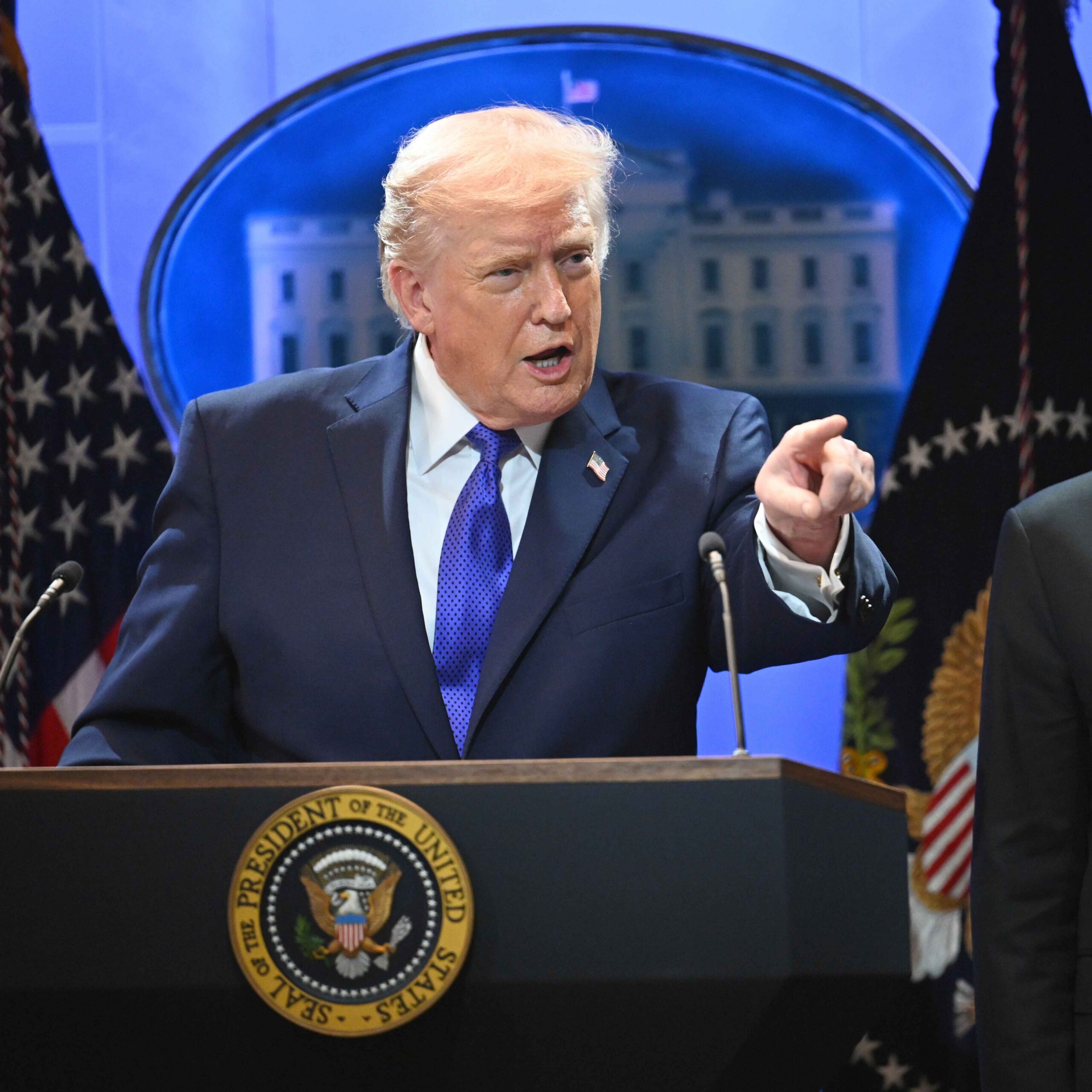
Wedding’s arrival in California did not happen in a vacuum. Mexico has been sending detained cartel members to the United States more frequently, according to reporting, as it faces pressure from U.S. President Donald Trump, who has threatened tougher action targeting trafficking organizations.
That backdrop turns one defendant’s case into a broader power story. Extraditions and transfers are not just law enforcement moves. They are signals, bargaining chips, and sometimes damage control. In a climate where Washington is publicly demanding results, Mexico has incentives to show cooperation. The United States has incentives to showcase high-profile captures.
That makes the “surrender” dispute even more loaded. If Mexican officials say he turned himself in at the U.S. Embassy, that reads like controlled compliance. If the defense insists he was arrested, that reads like force, pursuit, and a suspect who did not volunteer anything.
What to Watch Next
Two clocks are now running at the same time: the court clock and the narrative clock.
- Detention and bond: Wedding is being held, but the judge left room for a future bond request. The government is likely to argue flight risk and danger, especially with the murder allegations.
- Discovery and witnesses: Allegations involving cross-border killings and a witness in Colombia suggest heavy protective measures, and aggressive litigation over evidence.
- Jurisdiction overlap: Canada has pending charges. The U.S. case is moving now. How those two tracks interact could shape timing, leverage, and possible resolutions.
- The surrender narrative: Whether Wedding surrendered or was arrested is not a trivia question. It is a framing battle with consequences in court, and in public.
Wedding has entered a system that runs on documents, not reputation. The Olympics are a credential. The indictments are the threat. And the next courtroom date is already on the calendar.
References
- PBS NewsHour: Ex-Olympic Snowboarder Ryan Wedding Pleads Not Guilty to Running Drug Smuggling Ring
- PBS NewsHour: AP Report: Ryan Wedding, Elite Snowboarder Turned Most Wanted Drug Trafficking Fugitive, Arrested in Mexico
- PBS NewsHour: Mexico Sends 37 Drug Cartel Members to U.S. in Latest Offer to Trump Administration