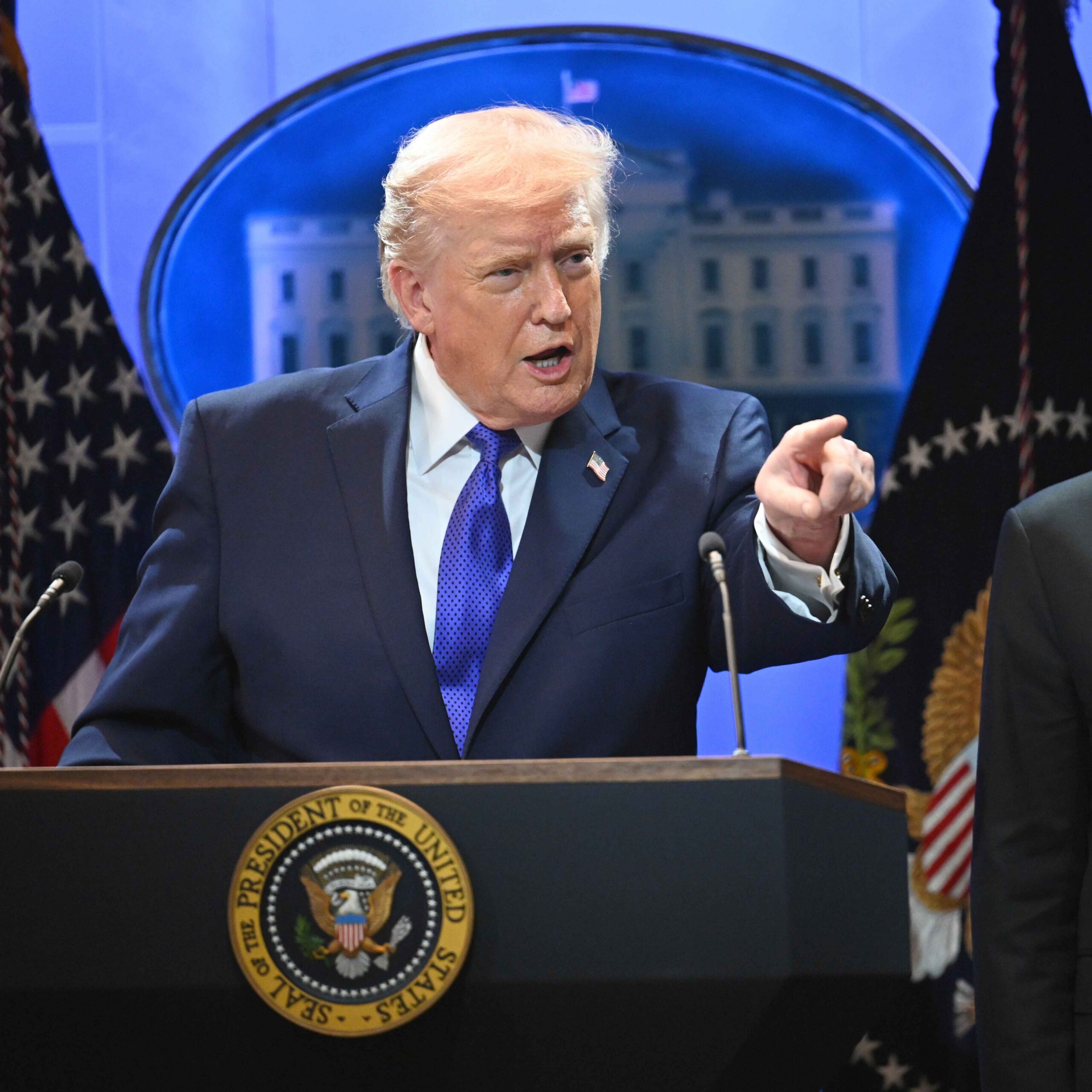
After the Supreme Court told the White House to put the tariff pen down, President Trump picked up a different pen. Now, two dozen states are betting that this second signature could land in the same legal trash can.
What You Should Know
Twenty-four states sued the Trump administration over new global tariffs imposed under Section 122 of the Trade Act of 1974, after the Supreme Court rejected an earlier tariff effort under IEEPA. The states are asking the U.S. Court of International Trade to block the tariffs and order refunds.
The fight is not just about a 10% import surcharge, or even Trump’s talk of pushing it to 15%. It is about whether the executive branch can keep rerouting around Congress after a high court loss, and whether courts will treat the reroute as a lawful innovation or a repeat offense.
The New Tariff Workaround
According to CBS News, the states’ lawsuit targets tariffs the administration imposed under Section 122 of the Trade Act of 1974, a provision tied to “large and serious” U.S. balance-of-payments deficits and capped at 15% for a temporary import surcharge.
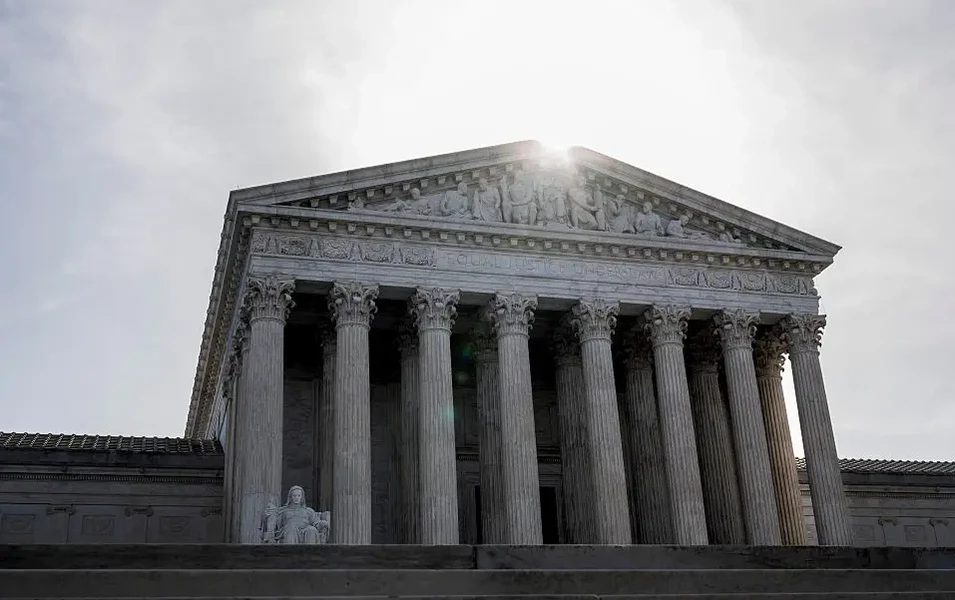
That pivot matters because the Supreme Court, in a 6-3 decision in February, ruled Trump lacked authority to impose his earlier emergency import duties under the 1977 International Emergency Economic Powers Act, or IEEPA. After that decision, the question became simple and brutal: if IEEPA is off the table, what is left?
The Paper Trail That Could Bite Back
The states are leaning hard on a pattern argument, not a single tariff line. In their filing, they say, “As with his unlawful use of IEEPA, the president has once again exercised tariff authority that he does not have involving a statute that does not authorize the tariffs he has imposed to upend the constitutional order and bring chaos to the global economy.”
The administration’s defense is equally direct. White House spokesperson Kush Desai told CBS News, “The President is using his authority granted by Congress to address fundamental international payments problems and to deal with our country’s large and serious balance-of-payments deficits,” adding that the administration will defend the action in court.
One complication for the White House is its own past posture. CBS News reported that the Justice Department previously argued in a court filing last year that Section 122 did “not have any obvious application” for addressing trade deficits, a line that states can frame as the government’s own warning label.
Why This Case Has Real Money Behind It
This is also a cash fight dressed up as a constitutional fight. CBS News cited data showing the U.S. collected $287 billion in customs duties, taxes, and fees in 2025, up 192% from the prior year, and trade experts estimated potential refund exposure for IEEPA-era levies as high as $175 billion.
The lawsuit asks the U.S. Court of International Trade to declare the Section 122 tariffs illegal and order the federal government to refund states for costs incurred while the tariffs were in effect. If courts start treating tariff authority like a revolving door, the administration gets leverage. If judges treat it like a locked gate, the next move could be a scramble for a new statute, or a narrower tariff plan designed to survive review.