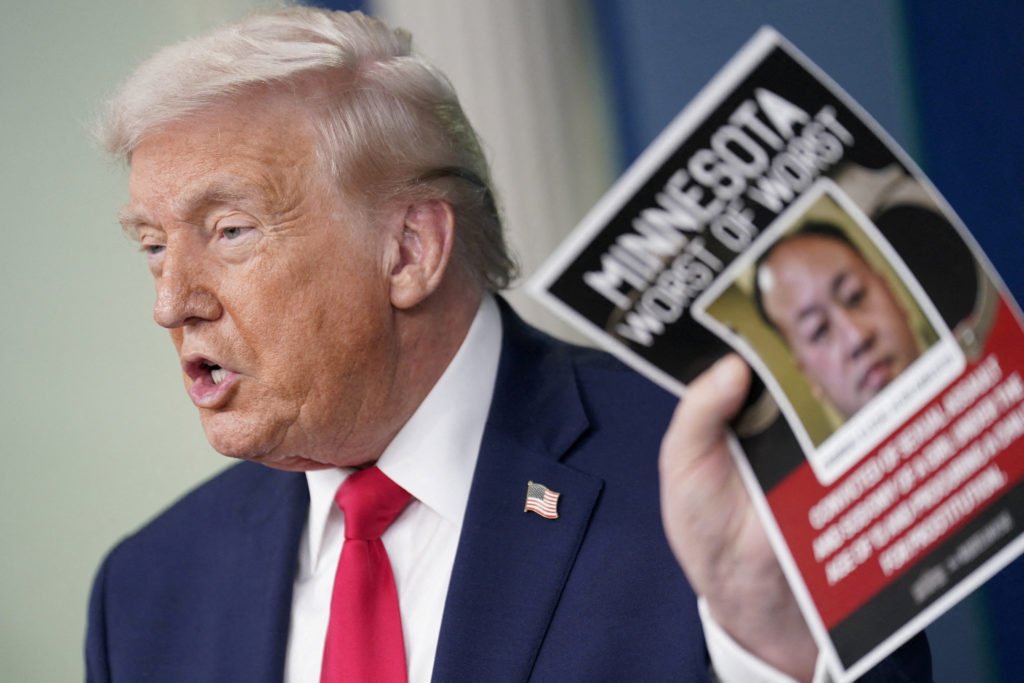


President Trump just put a price tag on a geopolitical argument. Now Europe is weighing how hard to hit back, and how fast, while Washington faces a simpler question: can a U.S. president even do this?
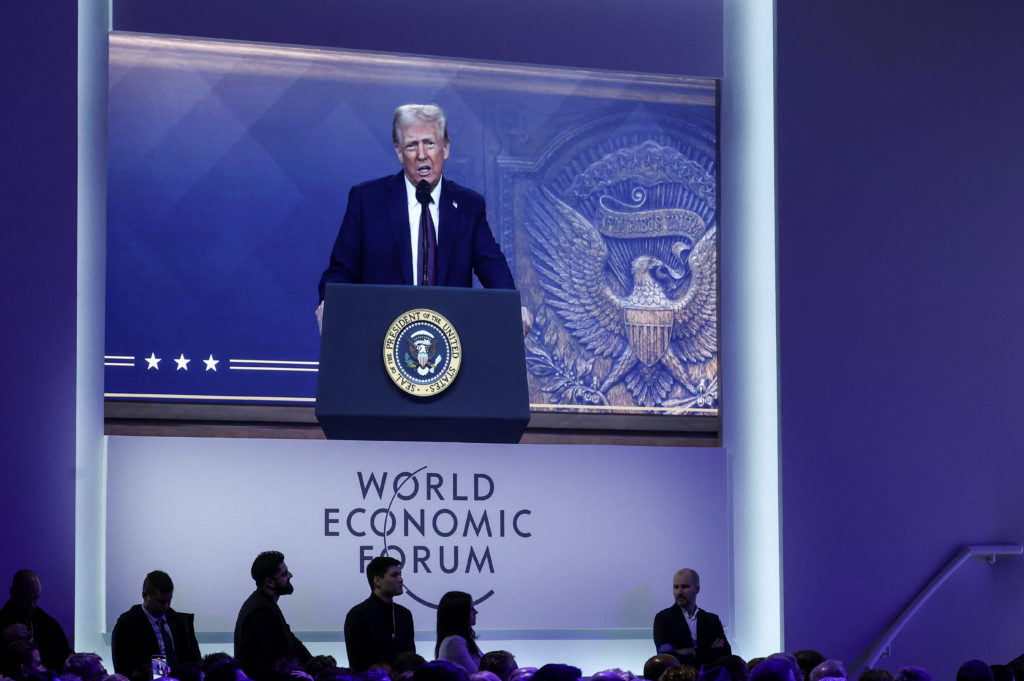
According to CBS News, Trump announced a 10% tariff threat aimed at eight European countries that he says are opposing American control of Greenland. The move instantly turned an Arctic security debate into a trade fight, with NATO allies warning of a spiral that leaves openings for rivals.
The Tariff List Is Basically a NATO Family Photo
Per CBS News, the countries named for potential 10% tariffs are Denmark, Norway, Sweden, France, Germany, the United Kingdom, the Netherlands, and Finland.
Trump’s posture, as reported, is leverage. CBS News said he appeared to signal he was using tariffs to force talks with Denmark and other European countries over Greenland’s status. Greenland is a semiautonomous territory within the Kingdom of Denmark, and it has long sat at the intersection of Arctic strategy, shipping routes, and military basing.
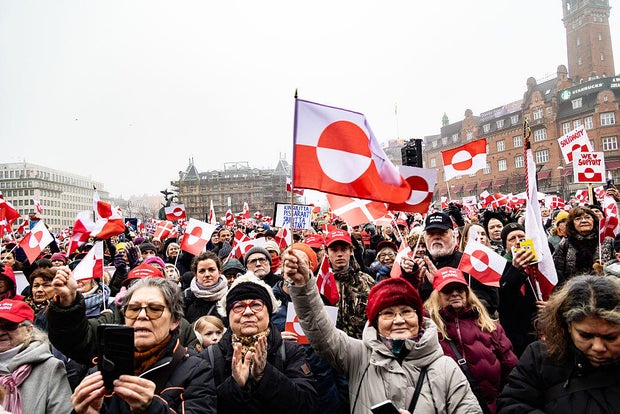
The timing sharpened the message. CBS reported the announcement came as thousands of Greenlanders were finishing a protest outside the U.S. Consulate in Nuuk. At the same time, several European countries had sent small numbers of troops to Greenland in recent days, which those governments described as Arctic security training.
Europe’s Official Response: Solidarity, Sovereignty, and a Warning
Eight countries issued a joint statement that framed the troop presence as coordinated and nonthreatening, while also drawing a line around territorial integrity and trade coercion.
The statement, as quoted by CBS News, said the group is “committed to strengthening Arctic security as a shared transatlantic interest” and described a Danish exercise called Arctic Endurance. It also stressed “solidarity with the Kingdom of Denmark and the people of Greenland,” adding that “tariff threats undermine transatlantic relations and risk a dangerous downward spiral.”
Behind the polished language sits a blunt reality: the threatened tariffs target close U.S. security partners, not distant rivals. That raises the stakes for NATO cohesion, European trade policy, and the White House’s own political messaging at home.
France Floats the EU’s ‘Trade Bazooka’ Option
The most aggressive counter-talk in the CBS News report came via a European diplomatic source, who said France is urging partners to consider using the EU’s Anti-Coercion Instrument (ACI). The ACI has been nicknamed the “trade bazooka” because it is designed to deter and respond to economic pressure by allowing retaliatory steps, including curbing certain imports of goods and services into the EU.
That is where Trump’s threat runs into the machinery of Europe. CBS noted there are immediate questions about how the White House could implement tariffs in practice, because the EU functions as a single economic zone for trade. Norway and the U.K. are not in the EU, which complicates the map further. It was not immediately clear, CBS reported, whether Trump’s tariffs would effectively hit the entire 27-member bloc.
The Legal Question in Washington: Leverage or Overreach?
Even before Europe decides whether to swing back, the U.S. legal footing is under scrutiny.
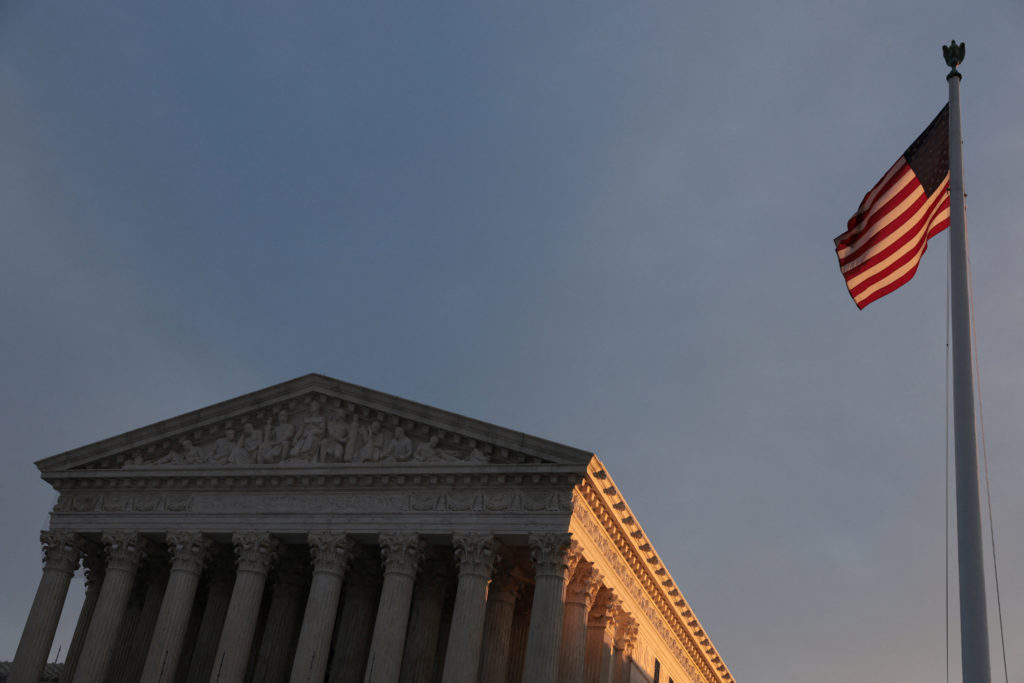
CBS News reported it was unclear how Trump could act under U.S. law, though he could cite emergency economic powers that are currently subject to a Supreme Court challenge.
On CBS’s Face the Nation, Republican Rep. Mike Turner of Ohio questioned the premise of using tariffs to compel territorial negotiations. He said, “Even if he is found to have tariff authority, I don’t believe he has the ability to impose tariffs for the purposes of compelling other nations to sell the United States land for the purposes of us expanding.”
Turner also emphasized the depth of the relationships at risk, noting that many of the allies being targeted are tied into U.S. defense infrastructure, including the F-35 program and U.S. troop presence, according to CBS’ account of his remarks.
Russia and China: The Point Both Sides Keep Making
European and U.S. critics are converging on the same warning: a U.S. versus Europe trade fight is strategic oxygen for Moscow and Beijing.
European Union foreign policy chief Kaja Kallas argued the Greenland issue should be contained within the alliance framework, not turned into a tariff war. In a social media post cited by CBS News, Kallas wrote: “If Greenland’s security is at risk, we can address this inside NATO. Tariffs risk making Europe and the United States poorer and undermine our shared prosperity.”
On the U.S. side, CBS reported Democratic Sen. Mark Warner, vice chairman of the Senate Intelligence Committee, also said Russia and China benefit most from the chaos. Warner added, per CBS, that there is no current security threat from Russia or China to Greenland, and argued the main immediate security threat is the United States.
Trump Doubles Down Online as Allies Call It Wrong
Trump did not back away. CBS News reported that in a Sunday-night social media post, Trump wrote that “NATO has been telling Denmark, for 20 years, that you have to get the Russian threat away from Greenland.” He added, “Unfortunately, Denmark has been unable to do anything about it. Now it is time, and it will be done!!!”
But even some of Trump’s populist-aligned friends in Europe criticized the tariff threat, CBS reported. Italy’s Prime Minister Giorgia Meloni, described by CBS as one of Trump’s closest allies on the continent, called the tariffs “a mistake” after speaking with him. Meloni also said Washington misunderstood the troop deployments, according to CBS, describing them as aimed at security against unnamed “other actors,” not against the U.S.
In France, Jordan Bardella of the National Rally described the threats as “commercial blackmail” and urged the EU to suspend last year’s tariff deal with the U.S., CBS reported.
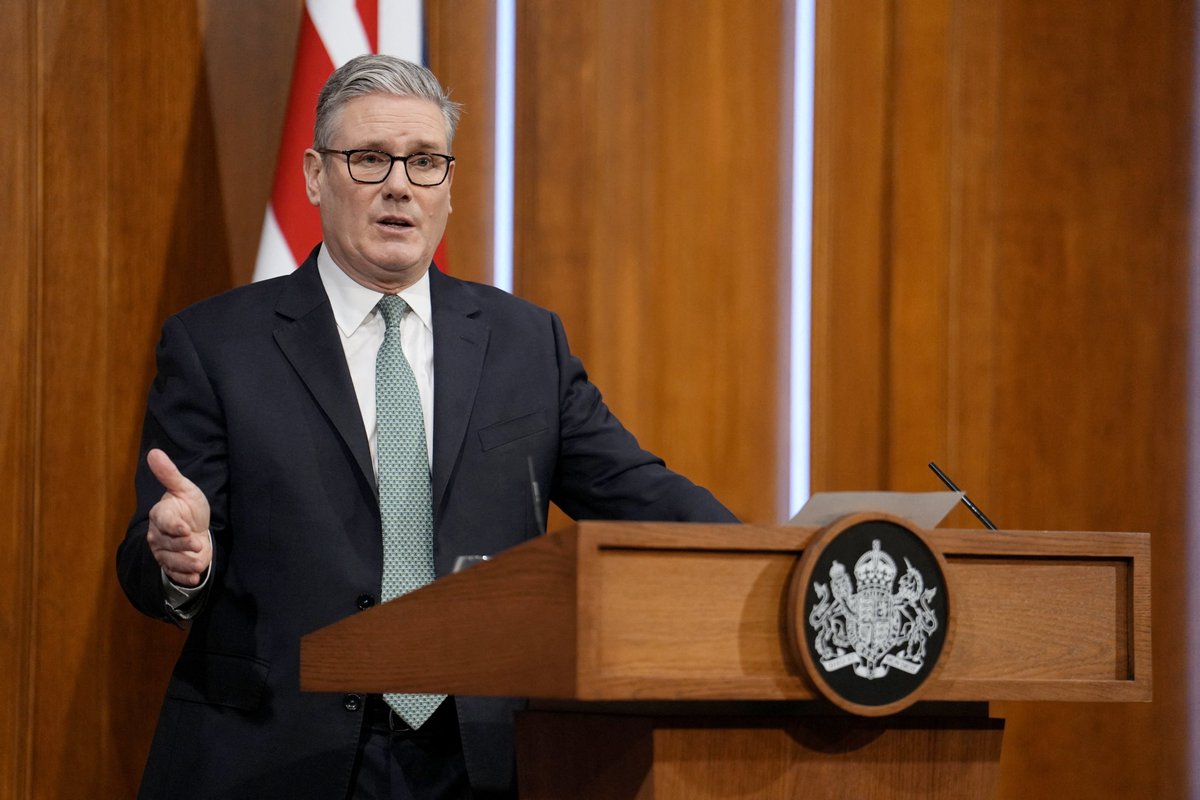
In Britain, CBS said criticism of the tariff threat reached across party lines. Reform UK leader Nigel Farage wrote that the tariffs would hurt the U.K., while Prime Minister Keir Starmer said the announcement was completely wrong and his government would pursue the issue directly with the U.S. administration, according to CBS.
What Americans Say About Buying or Taking Greenland
There is also a domestic political ceiling on how far the Greenland push can go.
CBS News reported a CBS News poll showing broad opposition among Americans to buying Greenland or taking it by military force. Seventy percent opposed using federal funds to buy the territory, and 86% opposed seizing it militarily.
Sen. Mark Kelly of Arizona, a former U.S. Navy pilot, posted that tariffs on allies would make Americans pay more to try to get territory the U.S. does not need, CBS reported. Kelly also warned about reputational and alliance damage in an X post cited by CBS.
What to Watch Next: Enforcement, Retaliation, and the NATO Test
The next phase is less about rhetoric and more about mechanics. Can the White House actually implement a tariff framework that distinguishes between EU and non-EU countries on the list and survives legal scrutiny at home? If Europe treats this as coercion, does Brussels escalate toward the ACI, and if so, how quickly can that move from threat to action?
For now, the clearest fact pattern is also the simplest: Trump has put tariffs on the table in a dispute tied to Greenland’s status, and a cluster of top U.S. allies has answered with coordinated language about sovereignty and unity.
Or, as Kallas put it, the argument is not really about who can shout the loudest. It is about where the fight belongs: “If Greenland’s security is at risk, we can address this inside NATO.”