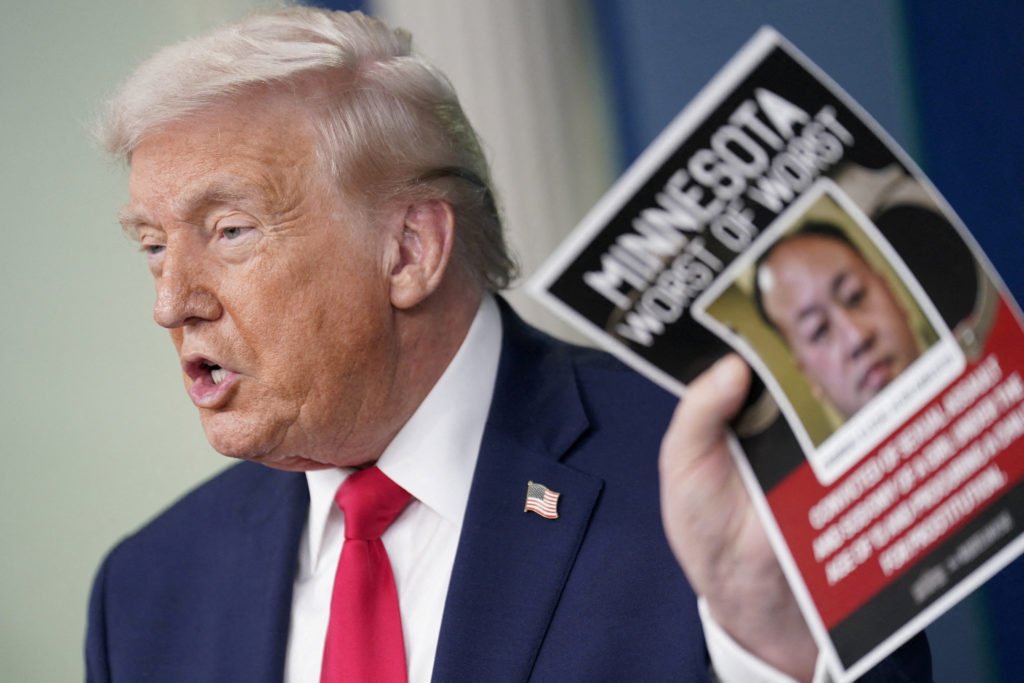
Two lines on a network news rundown can sometimes tell you more than a thousand-word speech. One points inward, to the streets of Minneapolis. The other points outward, to Europe and an icy island that keeps popping up in American power fantasies.
That was the quiet hook on a CBS News video page for ‘CBS Weekend News’ dated Jan. 18, previewing two storylines: active-duty soldiers put on standby as Minneapolis ICE protests continue, and European leaders denouncing a reported tariff threat tied to Greenland.
On their face, the items seem unrelated. In practice, they land on the same nerve: how far federal power can reach, how quickly allies can bristle, and how a political brand built on force and leverage tests the guardrails.
What CBS Put on the Table, and What It Did Not
The CBS News page does not include a written transcript in the material provided, only a program headline and a short dek describing the segments: “Active-duty soldiers put on standby as Minneapolis ICE protests continue; European leaders denounce Trump’s tariff threat over Greenland.” The page functions as a video destination rather than a full-text article.
That matters because the exact triggers are everything here. “Standby” can mean many things operationally. “Tariff threat” can be a formal policy, negotiating posture, or rhetorical messaging. Without additional on-record detail in the provided text, the only safe claim is that CBS previewed those storylines and framed them as active developments.
Still, the stakes are not mysterious. If active-duty troops are being positioned in response to protests, it raises legal and political questions that are older than cable news. If Greenland is being floated again as a leverage point with Europe, it reopens a file from Trump’s first term that never fully went away.
Minneapolis Protests and the Red Line Around Active-Duty Troops
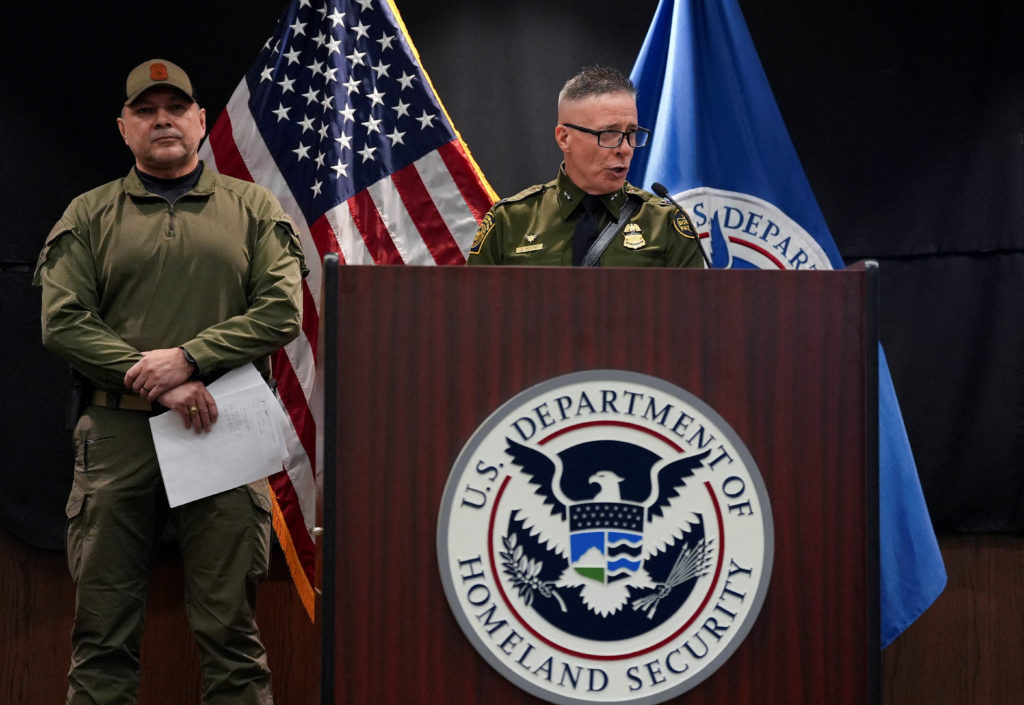
CBS’s dek says protests involving ICE in Minneapolis were continuing and that active-duty soldiers were put on standby. The phrasing is the headline, and it is also the controversy: active-duty military involvement on U.S. soil carries a different weight than National Guard deployments under state authority.
Here is the basic legal backdrop, stripped of drama and centered on process:
Under the Posse Comitatus Act, federal troops generally cannot be used for domestic law enforcement. There are exceptions and workarounds, but they are politically explosive. One of the biggest is the Insurrection Act, which can allow the president to deploy the military domestically under certain circumstances. Another common distinction is that National Guard forces can operate under a governor’s control (state active duty or Title 32) in ways that are not the same as federal active-duty forces under Title 10.
“Standby” status can mean logistical positioning, readiness in case of escalation, or a precautionary posture that never becomes a visible deployment. But it also signals that someone in government thinks things could get worse, or wants opponents to think that.
Without more specifics from the CBS segment text, readers should watch for three concrete receipts that tend to surface quickly in real deployments: a written executive order or proclamation, a statement from U.S. Northern Command or the Pentagon clarifying the troops’ status, and documentation of who requested support and under what authority.
Why ICE Protests Are a Political Accelerant
When protests center on ICE, the fight is not just about crowd control. It is about immigration policy, the visibility of enforcement, and who gets to claim legitimacy in a confrontation between federal agents and local communities.
In many cities, ICE enforcement actions can trigger rapid organizing and rapid escalation, especially if residents believe an arrest was high-handed or unlawful. The counter-argument from federal officials is familiar too: immigration enforcement is federal law, and interference obstructs that law.
The political risk is that the public stops debating policy and starts debating force. Once military language enters the storyline, the focus shifts to whether the government is trying to deter unrest or trying to intimidate dissent. Those are not the same claim, and they are rarely proven by vibes. They are proven by orders, authorities, and conduct on the ground.
Greenland, Again, and Why Europe Takes It Personally
The second CBS storyline is outward-facing: “European leaders denounce Trump’s tariff threat over Greenland.” The immediate connective tissue is Trump’s well-documented interest in Greenland during his first term, when he publicly discussed the idea of the United States buying the territory, which is part of the Kingdom of Denmark.
In 2019, the notion triggered swift pushback from Danish and Greenlandic leaders. One line became a global refrain: “Greenland is not for sale,” a message repeated publicly by Greenland’s government at the time. Denmark’s prime minister, Mette Frederiksen, also dismissed the idea in blunt terms, calling the proposal “absurd,” according to widely reported remarks from that period.
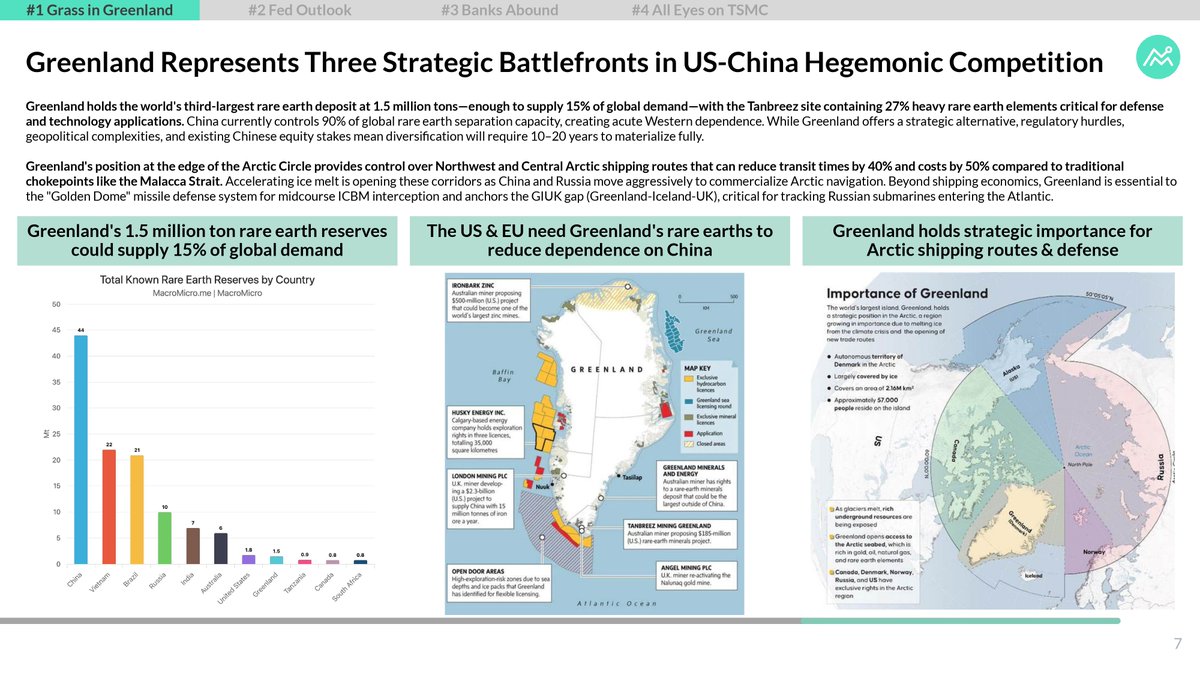
Why does that old fight matter to a new tariff threat? Because Greenland sits at the crossroads of security and resources. It matters to NATO planning in the Arctic. It matters in debates over shipping lanes as the region changes. And it matters to the long game over critical minerals, where governments are increasingly willing to use trade tools as leverage.
Even if the current dispute is more posture than policy, European leaders tend to interpret tariffs as coercion, especially when tied to territory, sovereignty, or defense arrangements. Tariffs are not just an economic instrument in that frame. They are a signal about how alliances will be managed.
The Pressure Politics: Tariffs Abroad, Troops at Home
Put the two CBS segments side by side, and a consistent pattern appears. The toolkit is pressure.
At home, a standby posture communicates readiness and deterrence. Abroad, tariff threats communicate leverage and penalty. Both strategies are politically potent because they are legible in a headline. You do not need to read a 40-page policy memo to understand what “troops” and “tariffs” are supposed to convey.
But the vulnerabilities are also headline-sized.
If troops are on standby, critics will ask what intelligence or assessment justified it, and whether the posture is proportional. Supporters will ask why preparedness is being framed as suspicious. Either way, officials may be forced to reveal more about planning and authority than they prefer.
If tariffs are being floated as a cudgel over Greenland, critics will argue it damages alliances and turns geopolitics into a transactional shakedown. Supporters will argue it is a negotiation and that allies respond when costs become real. The contradiction to watch is whether the threat is calibrated to achieve a specific policy goal or whether it is designed primarily to dominate the news cycle.
What to Watch Next: Paper Trails and Official Mouths
Because the CBS video page preview is thin on detail in the provided material, the next clarity will come from documents and direct statements.
For Minneapolis, look for confirmation of which units are involved, who controls them, and the mission description. The key question is not whether troops exist. It is whether they are authorized and tasked in a way that edges into law enforcement.
For Greenland and tariffs, look for specificity. Which tariffs. On what goods? Targeting which countries? And what is the stated rationale? National security. Trade imbalance. A negotiation tied to defense commitments. The justification will tell you whether this is a bargaining chip or the start of a real policy track.
Europe’s response will likely be measured in public but pointed in substance, especially from Denmark, which would see Greenland-linked pressure as a direct challenge to sovereignty and alliance norms. If leaders are “denouncing” the threat, as CBS’s dek says, watch for joint statements, EU trade posture, and whether NATO discussions are pulled into what is ostensibly a tariff fight.
The Weekend Tease That Could Turn Into a Weeklong Brawl
CBS’s preview did what a good rundown does. It planted two questions that demand receipts: what does “standby” mean in Minneapolis, and what exactly is being threatened over Greenland?
Until there are orders, official statements, and hard policy text, the country is left with a pair of signals. One says the federal government is ready to bring muscle to a protest story. The other says the next alliance argument might be fought with tariffs and Arctic geography. Either way, the next move will be in writing, and it will be quoted back for years.