

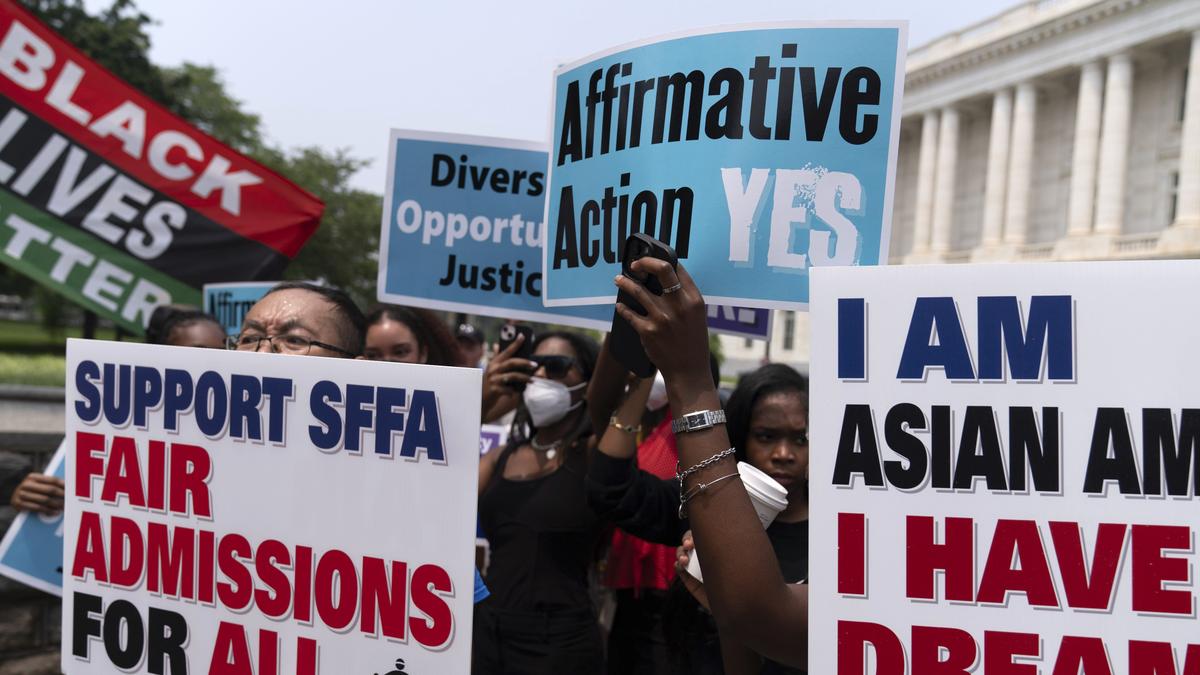
Universities got the Supreme Court memo on race-conscious admissions. Now they are rewriting the playbook, and their enemies are reading the fine print, line by line, looking for the tell.
What You Should Know
The Supreme Court ruled on June 29th, 2023, that race-based admissions programs at Harvard and the University of North Carolina violated federal law and the Constitution. Schools can still evaluate applicants as individuals, but policies that function as race preferences face fresh legal risk.
What changed is not just the headline. It is the incentive structure. Elite schools still want diverse classes, applicants still want an edge, and legal groups still want a clean test case that turns a private admissions office into a public courtroom.
The Ruling That Turned Admissions Into a Compliance War
In its Harvard decision, the Court said the schools’ programs did not fit within the narrow boundaries it has allowed for affirmative action. The majority’s message was blunt, and it landed like a compliance deadline: “Eliminating racial discrimination means eliminating all of it.”
That line, lifted from the Court’s opinion, is now doing double duty. Universities cite the same ruling to argue they are following the law. Plaintiffs cite it to argue that any workaround, however artfully described, is still discrimination with better branding.
Where the Next Lawsuits Usually Find Oxygen
Admissions officers rarely write, “We used race.” The modern fight is about substitutes: essays that invite race narratives, recruitment pipelines tied to specific high schools, weighing “adversity” in ways critics say track race, and demographic goals that look like quotas without the word quota.
Schools argue these factors are legitimate and individualized. The Court itself left a narrow door open, noting that applicants can discuss how race affected their lives if it is tied to “courage and determination” or similar traits. That nuance is now a magnet for complaints that the door is being used as a loading dock.
Title VI of the Civil Rights Act adds another pressure point. Because most colleges accept federal funds, Title VI’s ban on racial discrimination gives challengers a second route, beyond the Constitution, to demand internal documents, training materials, rubrics, and email trails.
What to Watch, Who Has Leverage, and Who Blinks First
The power move is discovery. Lawsuits can force schools to explain, under oath, what changed after 2023, what did not, and what was said behind closed doors when they updated prompts, scoring guides, and committee instructions.
Meanwhile, applicants are left to navigate signals that vary by campus: write about identity, do not write about identity, be “authentic,” but also do not look like you are gaming the system. The next big headlines are likely to come less from a campus press release and more from a filing that attaches the policy memo schools hoped nobody would read.