What You Should Know
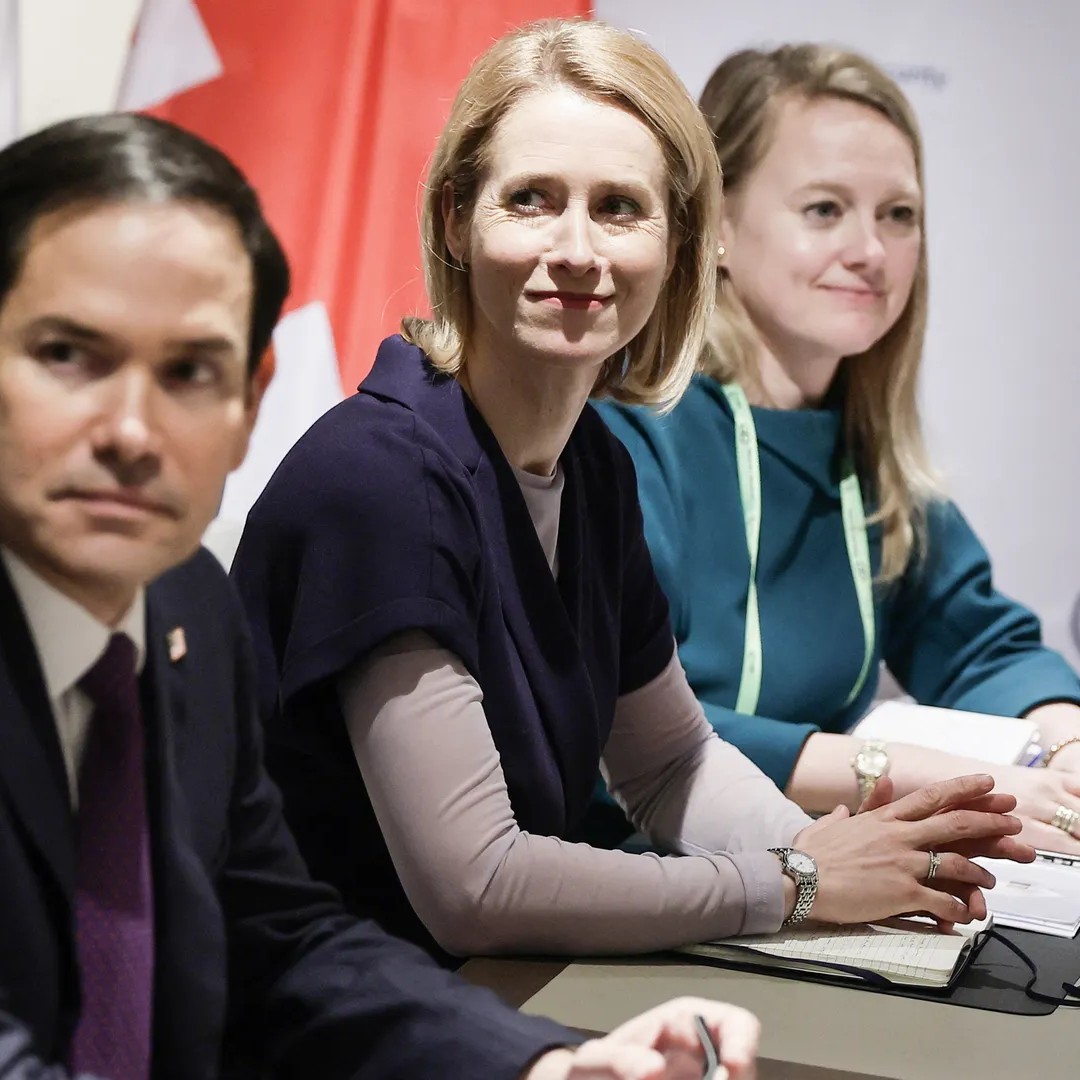
Axios reported that EU foreign policy chief Kaja Kallas challenged Secretary of State Marco Rubio about U.S. toughness on Russia during a G7 ministers meeting. A State Department official called it a normal exchange, and Rubio later denied any tension.
The players are high wattage, and the stakes are basic alliance math: Rubio, as the top U.S. diplomat, and Kallas, as the European Union’s foreign policy chief, are supposed to project unity on Ukraine even when strategy splits behind closed doors.
Inside the G7 Flashpoint
According to Axios, Kallas asked Rubio when the United States would get tough on Russia, and Rubio responded with a sharp retort in front of other allied foreign ministers. Axios said three sources who attended the meeting described the exchange as heated.
The State Department did not deny that the moment happened. Instead, an official portrayed the friction as standard operating procedure, telling Axios, “It was a frank exchange of views. This is what diplomacy is for,” a framing that turns a flare-up into business as usual.
Rubio, however, reportedly offered a different message once cameras were involved. Axios reported that, in a gaggle with reporters after the meeting, he denied there had been tensions or criticism, leaving a clean, simple gap between what allies say they witnessed and what the principal says the world should believe.
Why Europe Keeps Pushing
Axios framed the blowup as part of a deeper distrust between Washington and European partners over the war in Ukraine, especially around U.S.-led peace talks with Russia. European leaders, Axios reported, have been uneasy about the direction and terms of those talks for months.
The anxiety, per Axios, has been amplified by the war in Iran, which has competed for U.S. bandwidth, and by U.S. waivers allowing the sale of Russian oil at rising prices. In that context, Kallas’s pressing for “tough” is not just rhetoric; it is leverage politics within the alliance.
Ukrainian officials added another pressure point. Axios reported that Ukrainian officials said no significant progress had been made recently and that it was clear U.S. attention was focused on Iran, a claim that, if accurate, would make every diplomatic meeting a contest for priority.
What to Watch Next
If the U.S. and Europe are drifting on sanctions, negotiating posture, or enforcement, the consequences are measurable: less coordinated pressure on Moscow, louder domestic criticism in European capitals, and weaker bargaining power in any talks that claim to be “peace.” The Rubio denial might play well on a podium, but it also raises a practical question for allies who were in the room.
Watch for whether future G7 statements, EU readouts, and State Department messaging begin to converge, or whether the gap between private friction and public calm continues to widen.