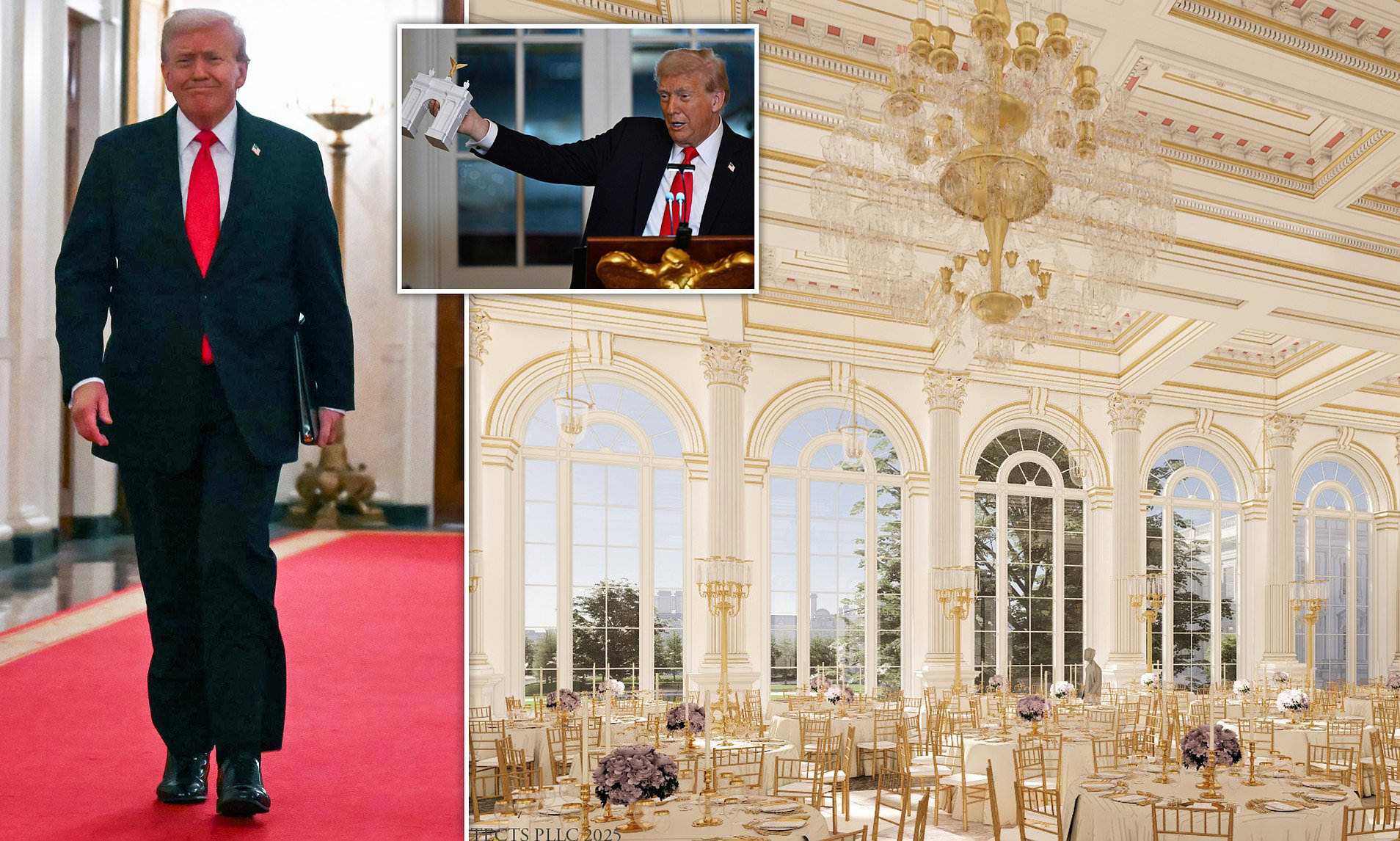
Donald Trump keeps returning to a very specific vision of power: not just the Oval Office, but a redesigned stage around it, complete with a White House ballroom. The catch is that the White House is not a blank canvas, and the paperwork might be the hardest opponent in the room.
What You Should Know
Donald Trump has discussed adding a ballroom to the White House complex, a plan that would require approvals, security coordination, and a funding pathway. Any major physical change to a federal landmark in Washington can trigger multiple layers of review.
The Hill reported on Trump linking the ballroom idea to a broader set of proposals, including a new military complex. In public, it plays as a builder’s promise. In government, it reads like a governance test.
TRUMP REVEALS MASSIVE UNDERGROUND MILITARY COMPLEX BEING BUILT BENEATH NEW WHITE HOUSE BALLROOM
The president disclosed aboard Air Force One that the U.S. military is constructing a major subterranean facility under the 90,000-square-foot ballroom project.
The ballroom itself… pic.twitter.com/9mEDTBo8mR
— The Dallas Express News (@DallasExpress) March 30, 2026
The Pitch Sounds Simple Until You Meet the Paperwork
A ballroom is an easy applause line because it sounds like hospitality, tradition, and prestige. It is also an expansion of a tightly protected, historically significant campus where every new wall changes security planning and public access.
The White House and its grounds sit inside President’s Park, which is part of the National Park Service system. That detail matters because it underscores a basic reality that gets lost in campaign rhetoric: the site is federal property with formal stewardship, not a private club renovation.
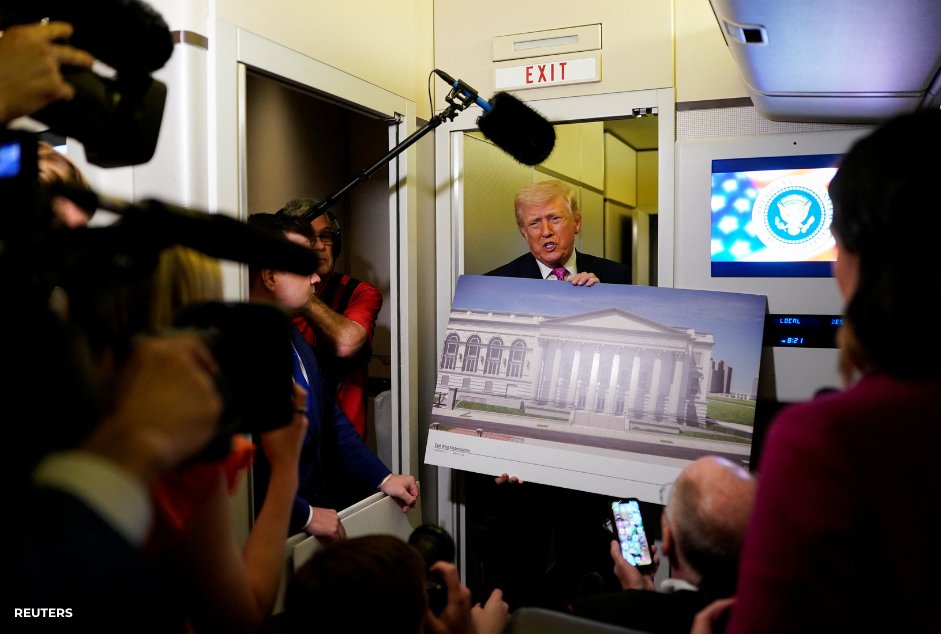
Then there is Washington’s review culture. For prominent federal projects in the capital, design proposals can run into consultations and oversight bodies, plus the practical veto of logistics. Even a donor-funded build still has to survive the bureaucracy that keeps the building functioning.
Money, Permissions, and the Constitution’s Fine Print
The funding question is where the power dynamics get sharp. The Constitution’s spending rule is blunt, and it is not written for chandeliers: “No Money shall be drawn from the Treasury, but in Consequence of Appropriations made by Law.”
That is the quiet leverage point for Congress. A president can talk about upgrading the people’s house, but lawmakers control appropriations, and oversight committees can demand answers about costs, contracting, and security impacts.
Private money does not magically dissolve the problem, either. Donations tied to government property can raise ethics, procurement, and disclosure questions, especially if the donor has business before the federal government or hopes to later.
“It was supposed to be secret”: President Donald Trump revealed that the military was building a massive complex under the planned White House ballroom site. https://t.co/Um8TnLsa5X pic.twitter.com/9rT1rRCMgG
— WFLA NEWS (@WFLA) March 30, 2026
Why the Ballroom Talk Lands as a Power Play
This is where the contradiction does the heavy lifting. Trump sells himself as a tribune of regular people, while the ballroom pitch is, at its core, a luxury-infrastructure project attached to the country’s most symbolic address.
It also frames the presidency like a brand asset. If you can promise a new room with your name on the idea, you can imply ownership of the institution itself, even though the physical building is constrained by law, budget, and tradition.
Watch the next version of the pitch for two tells: whether there is a specific funding mechanism, and whether the plan acknowledges the approvals it would need to clear. In Washington, the hardest part of building is not the blueprint. It is who gets to say yes.