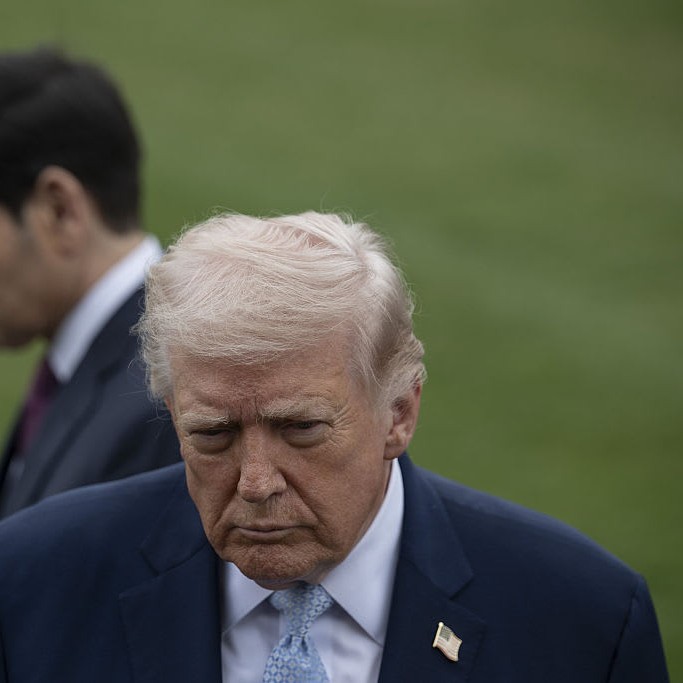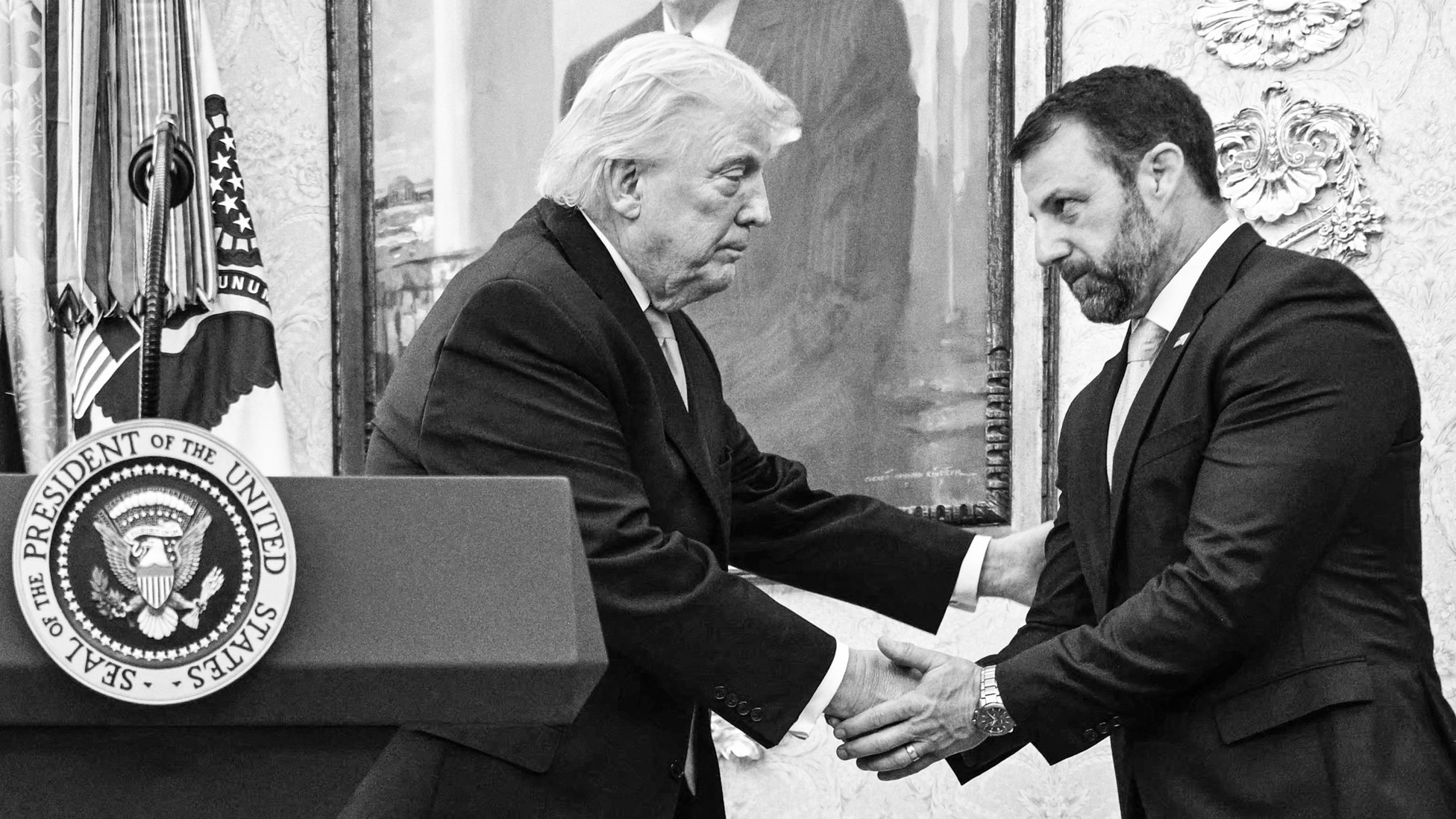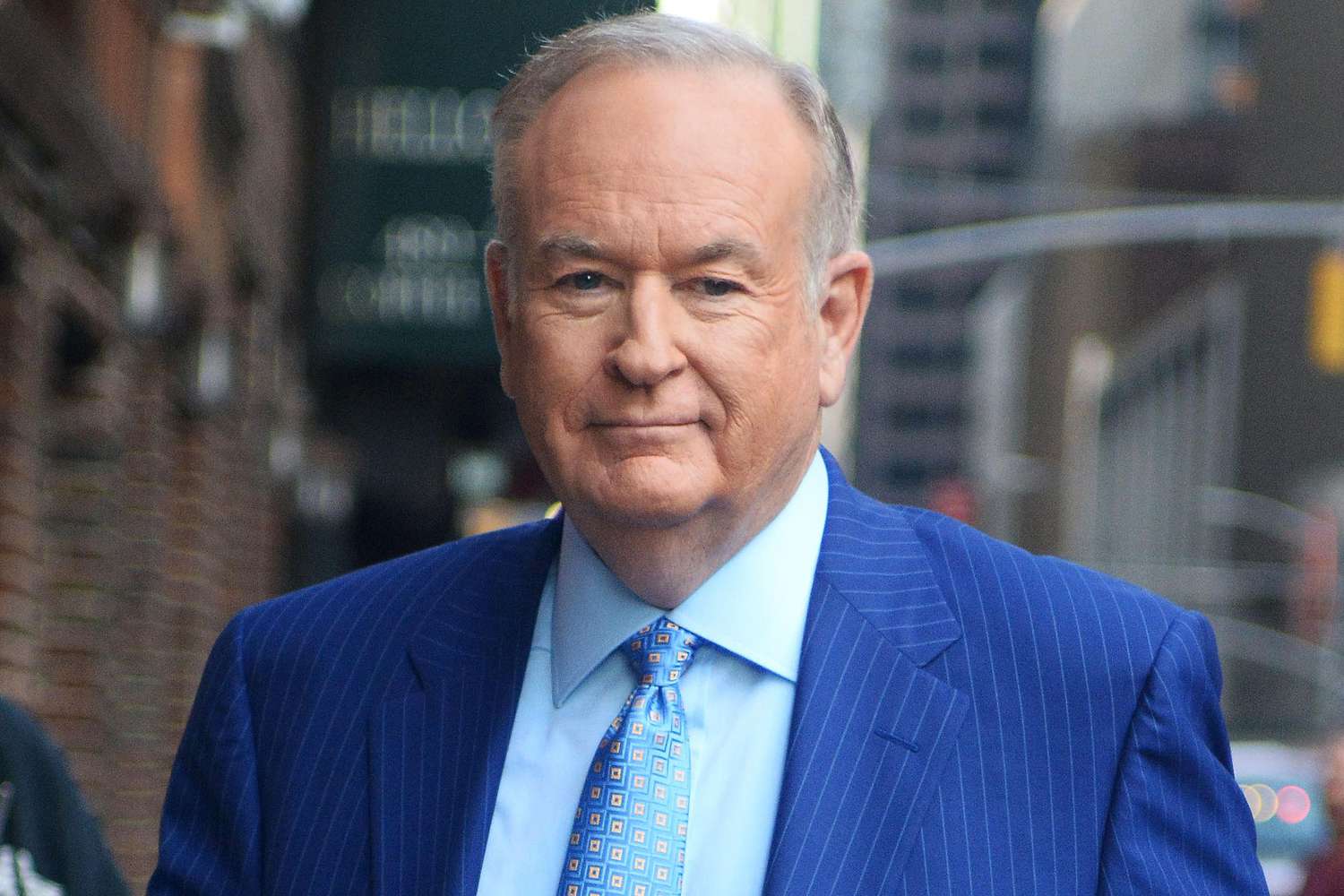
Bill O’Reilly lost the biggest perch on cable in America. Stephen Miller was staring down the end of the Trump White House. Yet, in November 2020, the two still had something that mattered in politics: a microphone and an audience that treats airtime like authority.
What You Should Know
On November 10th, 2020, The Hill published an item pairing Bill O’Reilly with Stephen Miller. The moment captured how Trump-era figures used friendly media to frame post-election narratives, even as institutions, courts, and employers moved on.
The pairing was notable because it brought together two brands under the same control. O’Reilly is the talk-show operator who survived a high-profile fall. Miller is the policy enforcer who made headlines shaping immigration strategy, messaging discipline, and hardline priorities inside the Trump orbit.
The Hill Put Two Trump-Era Power Players in the Same Frame
The Hill’s November 10th, 2020, piece did not read like a court filing or a policy memo. It read like a reminder that in American politics, the platform is a power center, even when formal power is slipping.
That matters because the post-election period was when competing narratives were fighting for oxygen. Media hits could not certify votes, but they could set expectations, harden loyalties, and keep donors, activists, and lawmakers inside a shared storyline.
O’Reilly’s Comeback Runs on a Familiar Formula
O’Reilly’s leverage, even after his departure from Fox News, has always been reach and repetition. When he left Fox in 2017, the exit was not framed as a ratings decision. It was framed as a corporate break with reputational risk attached.
Fox News said at the time, “After a thorough and careful review of the allegations, the Company and Bill O’Reilly have agreed that he will not return to the Fox News Channel.” The New York Times reported that Fox and O’Reilly faced scrutiny over settlements related to sexual harassment allegations, a public record that still shadows any attempt at a simple redemption narrative.
Miller’s Brand Is Policy, Not Nostalgia
Miller, by contrast, built his name less as a personality and more as an internal force multiplier. He was widely described as a central architect of the administration’s immigration agenda, where small wording choices and procedural moves could reshape who gets in, who stays, and who gets removed.
One flashpoint was the travel ban litigation that ended at the Supreme Court. In 2018, the Court upheld the third version of the ban in Trump v. Hawaii, a ruling that effectively validated a core Trump-era restriction even as critics attacked it as discriminatory.
Put O’Reilly and Miller together, and the trade is obvious. One side brings a seasoned stage and a familiar style of confrontation. The other brings proximity to policy fights with real-world consequences, plus the aura of someone who knows where the bodies are buried inside a West Wing.
What to watch is not whether these appearances change any official outcome. It is whether the megaphone continues to create incentives for politicians and operatives to treat media loyalty as a substitute for institutional proof.