Kharg Island is not a slogan; it is a place with pipelines, tankers, and consequences. That is why a senator invoking it as a pressure point on Iran lands differently than the usual Washington tough talk.
What You Should Know
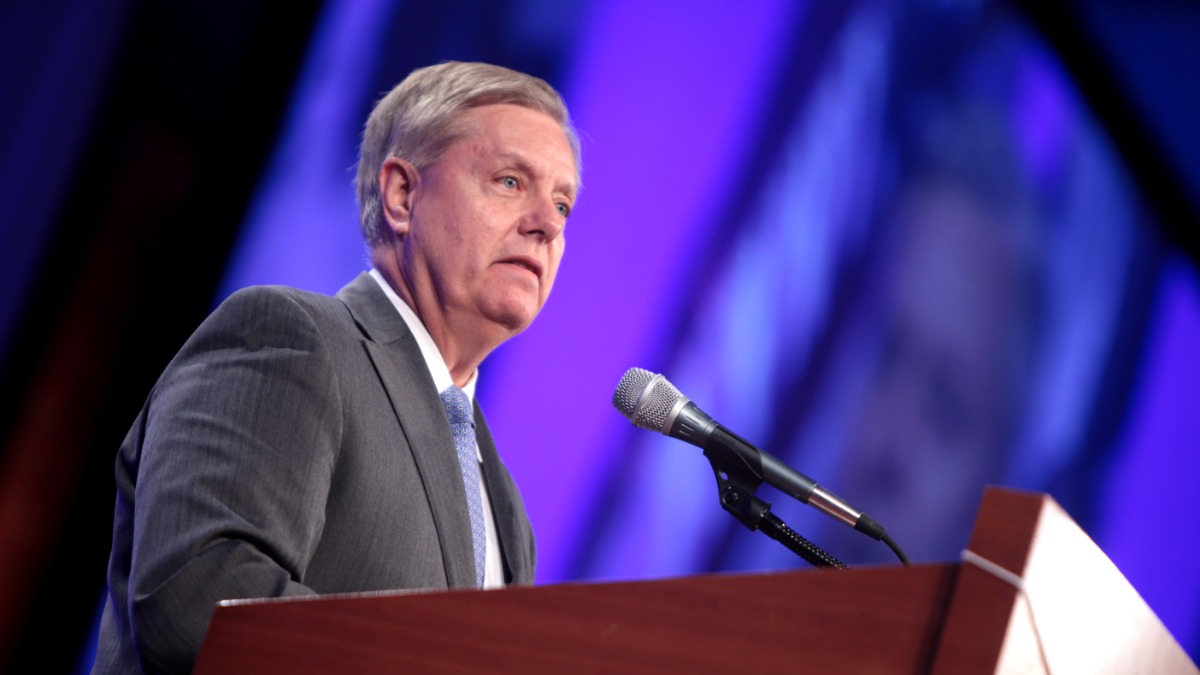
Sen. Lindsey Graham has again drawn attention for referencing Kharg Island, a key node in Iran’s oil export system. The episode revives a familiar question in U.S. foreign-policy fights: when politicians name targets, who absorbs the risk?
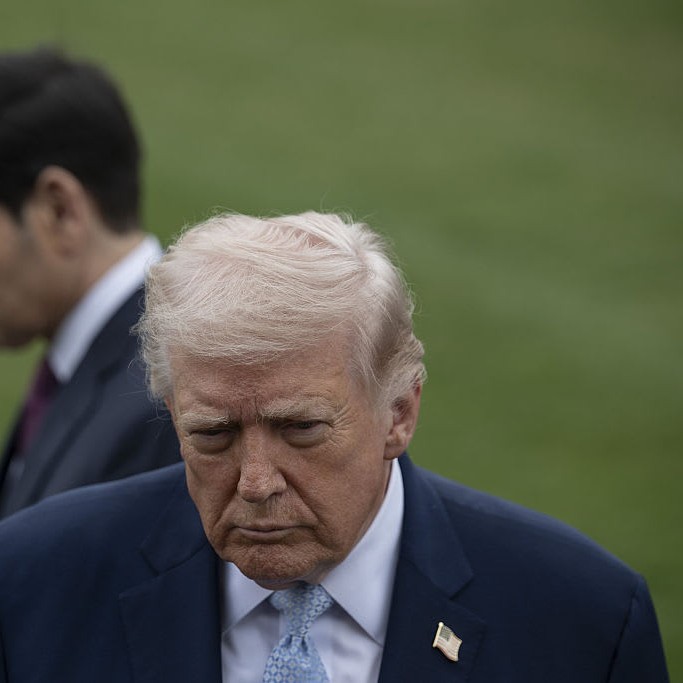
The Hill recently highlighted Graham’s Kharg Island remarks, pulling a specific piece of Iranian infrastructure into the spotlight. Graham, a longtime Iran hawk, has repeatedly argued that credible military pressure should sit behind U.S. warnings and sanctions.
Why Kharg Island Keeps Showing Up in Washington Talk
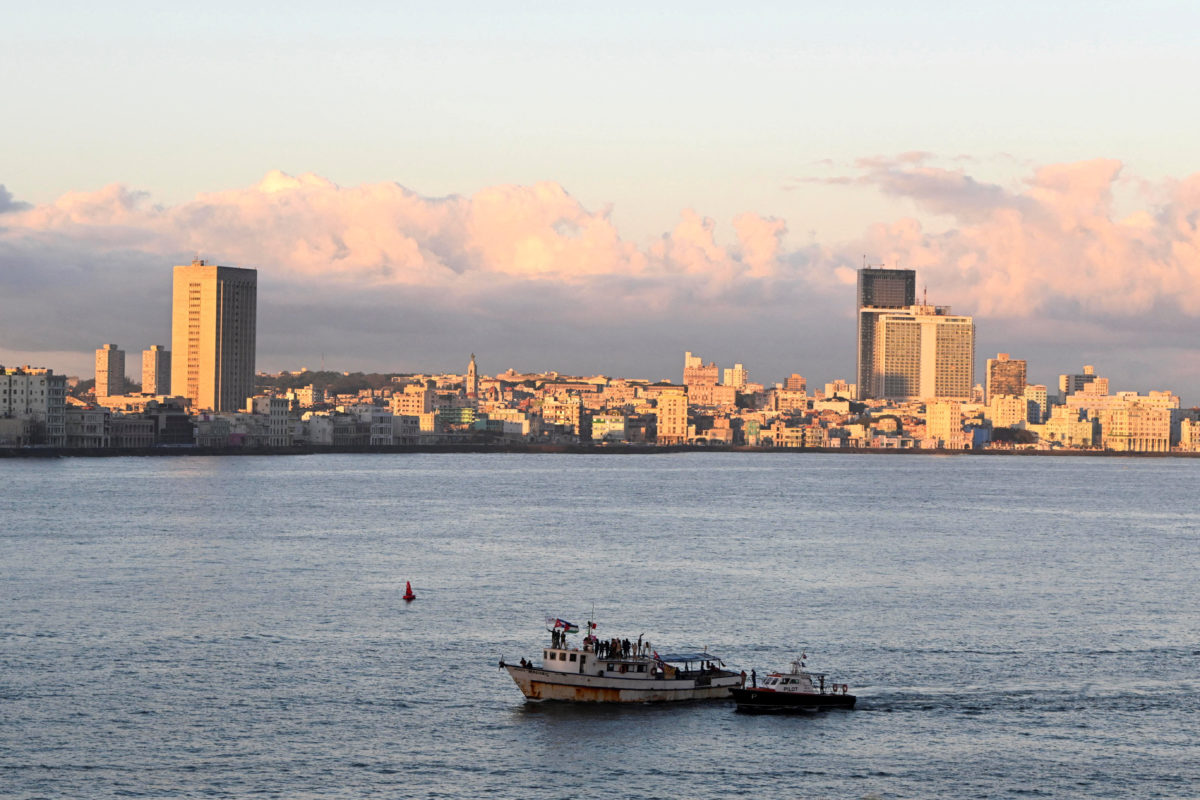
Kharg Island sits in the Persian Gulf and is widely described as central to Iran’s ability to move crude to global markets. In other words, it is not symbolic. It is cash flow.
The U.S. Energy Information Administration, which tracks energy infrastructure and chokepoints, has long warned that disruptions in the region can ricochet far beyond the Gulf. Oil traders do not wait for the first missile to move prices. They move when they hear the word target.
The Strait of Hormuz is the world’s most important oil transit chokepoint.
Graham’s Message vs. Official Policy
Graham’s leverage argument is straightforward: if Iran believes its high-value assets could be hit, Tehran may think twice about escalation through proxies, missile programs, or maritime pressure. It is also a messaging strategy that plays well in sound bites because it names a specific pain point.
However, the U.S. government’s public posture across multiple administrations has typically emphasized deterrence without openly advertising target lists, alongside sanctions, regional force posture, and diplomacy when possible. That gap matters because naming infrastructure can sound like policy, even when it is not.
It also puts allies on the clock. Gulf partners, shipping firms, and energy-importing countries tend to prioritize predictability and watch Washington for clues on whether a crisis is being managed or marketed.
What Happens Next if Rhetoric Turns Into Pressure
Kharg Island talk usually returns when three storylines collide: rising regional attacks, stalled diplomacy, and domestic U.S. politics demanding clarity. Each time, the same tension reappears. Public threats can harden positions, even if the intent is deterrence.
What to watch is not just what Graham says next, but how the executive branch calibrates around it, including any new sanctions, military deployments, or regional coordination meant to signal strength without widening the conflict.
In Washington, naming a target can look like control. In energy markets, it can look like a countdown.