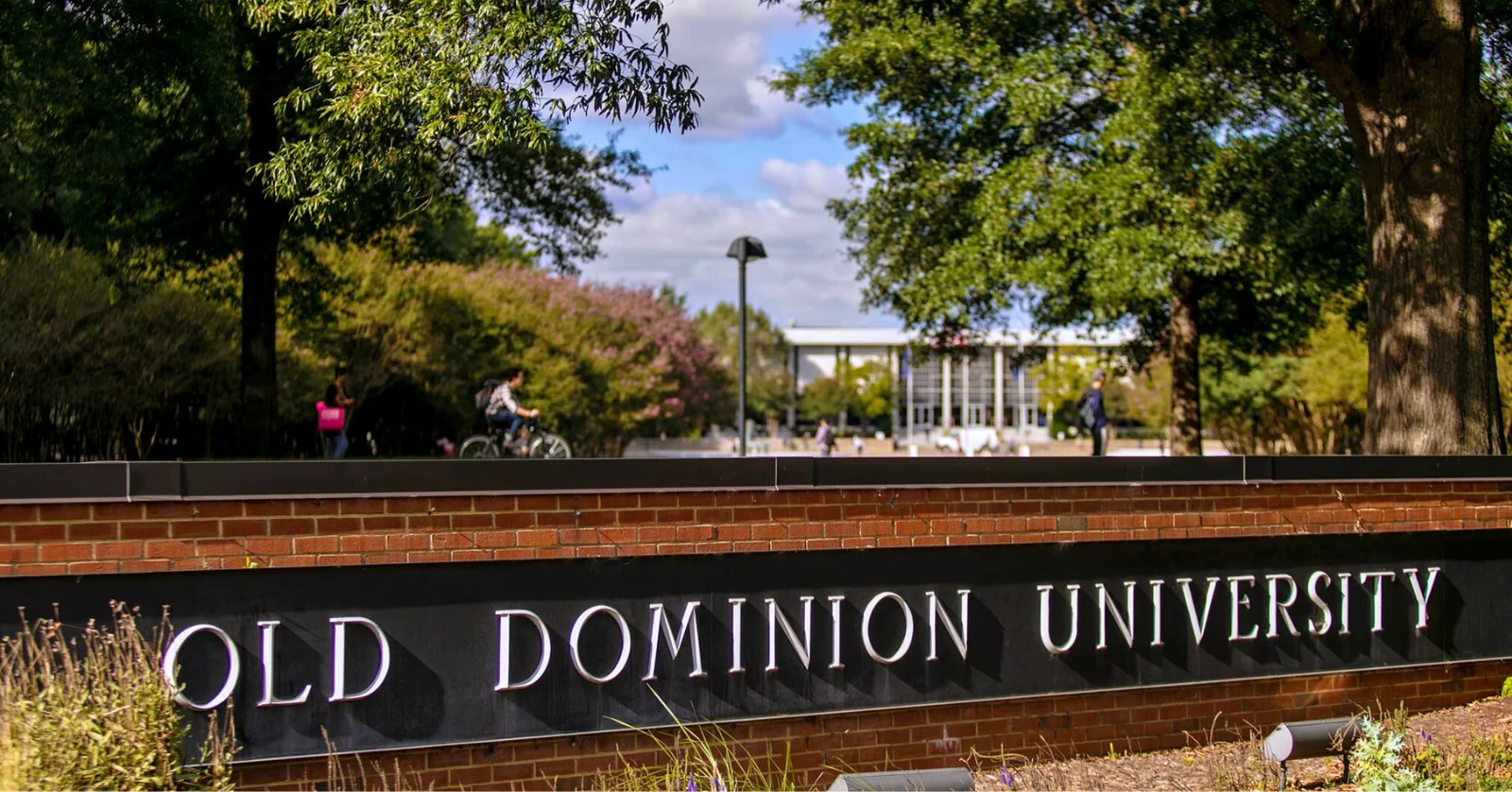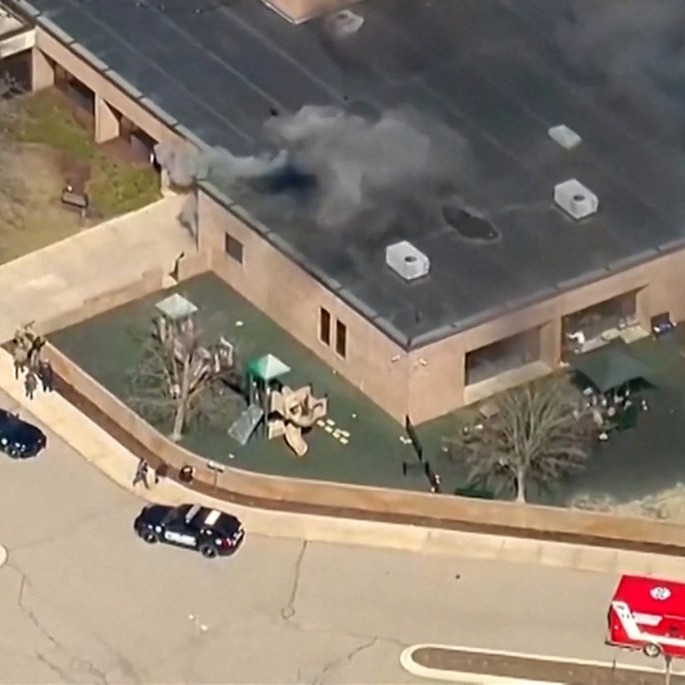


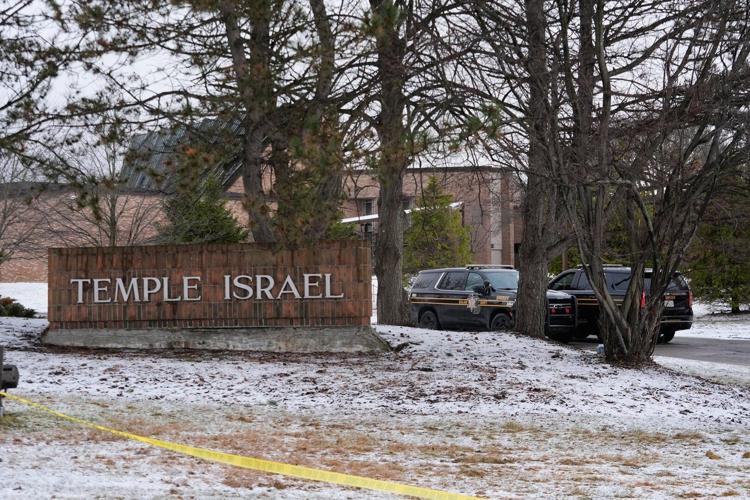
Less than two hours. Two sites. Two very different official labels. After a classroom shooting at Old Dominion University and a vehicle-and-gun attack at a major Detroit-area synagogue, the question hanging over both scenes is not only who, but how the system names what happened next.
What You Should Know
Authorities say one person was killed and two were wounded in a shooting at Old Dominion University, and no children were hurt in an attack at Temple Israel in Michigan. Investigators say quick intervention by students and security helped prevent higher casualties.
The Virginia suspect, Mohamed Bailor Jalloh, was a former Virginia Army National Guard member who previously pleaded guilty in federal court to providing material support to the Islamic State group, according to The Associated Press and court records. In Michigan, officials identified the attacker as 41-year-old Ayman Mohammad Ghazali, who authorities said died by suicide after crashing into the synagogue and exchanging fire with security.
Two Attacks, One Security Reality
At Old Dominion University, authorities said Jalloh entered a classroom, asked whether an ROTC event was taking place, and then opened fire. Court papers and officials said he yelled “Allahu akbar” before shooting.
Officials said Lt. Col. Brandon Shah, an ROTC leader, was killed, and two others were wounded. Authorities credited ROTC students with stopping the gunman, and the FBI said the shooting was being investigated as an act of terrorism.
The Early Release Question in Virginia
The case immediately dragged an older federal file back into the present. AP reported that Jalloh pleaded guilty in 2017, received an 11-year sentence, and was released early after completing a drug treatment program, citing a person familiar with the matter.
That detail is doing more than filling out a biography. AP reported that inmates serving terrorism-related sentences typically are not eligible for certain sentence-reducing programs, raising questions about how Jalloh qualified and what checks were supposed to catch risk before he ended up on campus.
Temple Israel, and the Line Between Violence and Terror
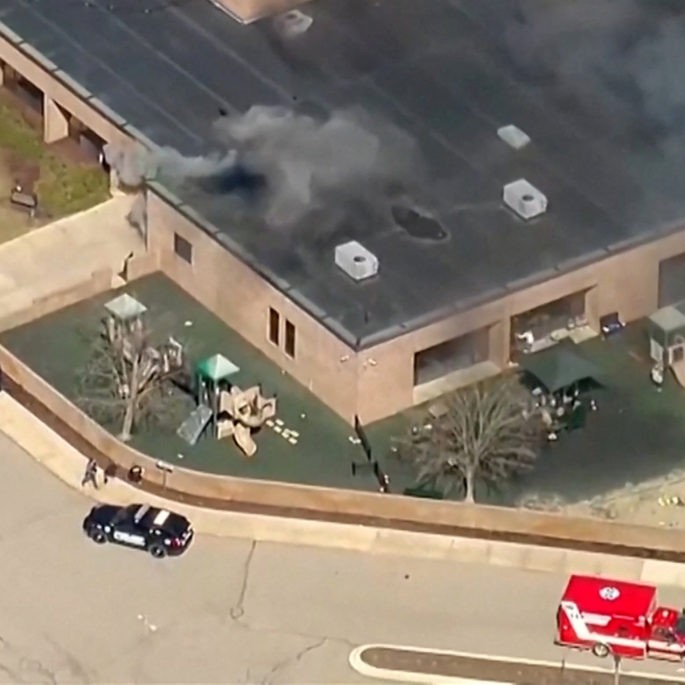
In West Bloomfield, Michigan, officials said Ghazali waited outside Temple Israel for about two hours with a rifle, commercial-grade fireworks, and containers of liquid believed to be gasoline. Authorities said he then crashed into the building while dozens of children and staff were inside, and a security officer was struck and knocked unconscious.
The FBI, which is leading the Michigan investigation, described the incident as violence targeting the Jewish community, but said there was not enough evidence yet to call it terrorism, according to AP. A Lebanese official told AP that Ghazali had recently learned that an Israeli airstrike in Lebanon killed two brothers, a niece, and a nephew, and the Department of Homeland Security said he came to the U.S. in 2011 and became a U.S. citizen in 2016.
What to watch now is how investigators prove motive, and how quickly officials decide whether these cases sit in separate boxes, or in the same one with different names. In both places, the immediate stakes are clear: who is protected, how, and what warning signs get treated as paperwork until they are not.
References
- PBS NewsHour: What to Know About the Attacks at Old Dominion University and a Synagogue in Michigan
- PBS NewsHour: Old Dominion Shooter Was Previously Convicted of Islamic State Ties, Released From Prison Early After Completing Drug Program
- PBS NewsHour: Police Respond to a Report of an Active Shooter at a Detroit-Area Synagogue
- PBS NewsHour: Lebanese Official Says Man in Michigan Synagogue Attack Lost Family Members in Israeli Airstrike