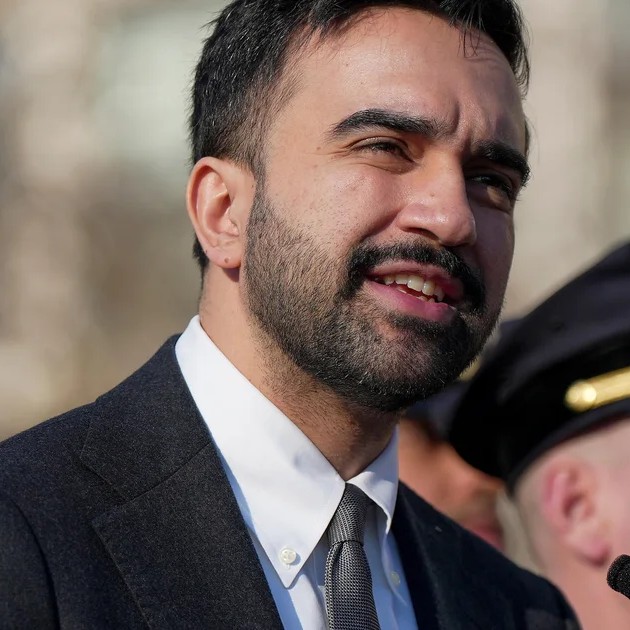



Rep. Don Bacon just said the quiet part loud on national TV, then immediately admitted the part Washington hates putting in writing: nobody can really tell you how this ends, or what it does to your grocery bill.
What You Should Know
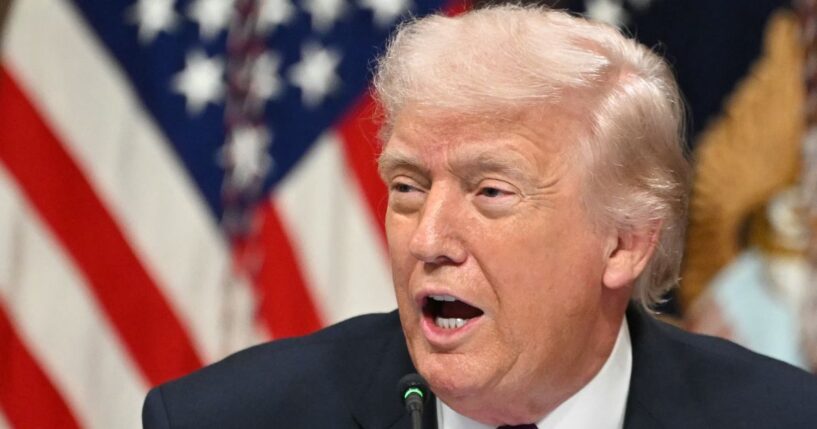
On CBS’s “The Takeout,” Rep. Don Bacon said a U.S.-Israeli war with Iran was “long overdue” and “had to be done.” He also said House Republicans are still watching for the endgame, oil-price moves, and inflation risks.
Bacon, a Nebraska Republican and former Air Force general, has built a reputation as a defense-minded lawmaker who is often comfortable talking operational reality, even when party messaging wants a cleaner storyline. That habit matters more when the subject is a widening conflict and the White House is seeking political unity.
Bacon’s Two-Track Message
In the CBS interview, Bacon framed the conflict as necessary, calling it “long overdue” and saying it “had to be done.” However, he also emphasized uncertainty about how the war will end, a question that tends to swallow confident declarations once casualties, costs, and timelines stack up.
That split screen is the tell. One track is loyalty to President Trump’s war aims, which keeps Bacon aligned with the House GOP’s center of gravity. The other track is the part where members still have to explain to constituents why a conflict described as essential now comes with open-ended risk.
The Price Tag Republicans Can’t Control
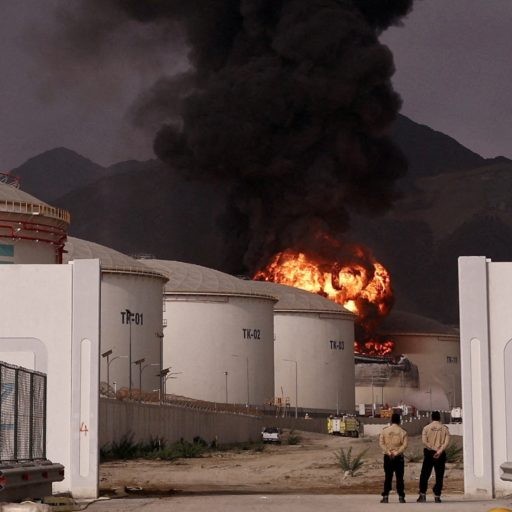
Bacon pointed directly at oil prices and inflation, a reminder that modern warfare has a domestic scoreboard. Even without new legislation, energy markets can punish incumbents fast, and members of Congress do not get to filibuster a spike at the pump.
The U.S. Energy Information Administration’s regular gasoline price data is a blunt political instrument because it is legible. Voters might not track battlefield maps, but they track the number on a station sign, and campaigns track it right back.
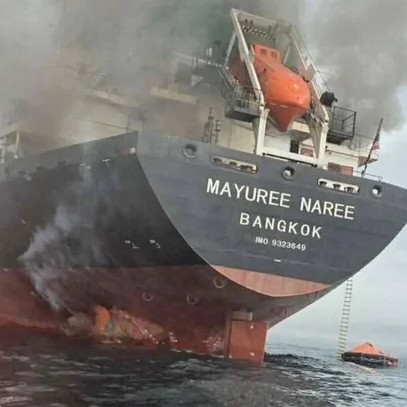
The Bureau of Labor Statistics, which publishes the Consumer Price Index, routinely shows how swings in energy prices can whip overall inflation readings around. If the war tightens supply expectations or raises shipping and insurance costs, the economic narrative can turn into the bigger story than the military one, especially in swing districts.
The Endgame Problem
Bacon’s uncertainty about how the conflict ends serves as a contradiction against the certainty of his opening line. Declaring a war unavoidable is a power move. Admitting you do not know the exit conditions is an accountability problem, and it is exactly where Congress, allies, and markets start testing the administration’s claims.
What to watch next is not just the battlefield, but the messaging discipline. If GOP lawmakers keep praising the decision while bracing for oil and inflation blowback, the pressure point will be whether they demand clearer objectives or ride it out and hope prices cooperate.