

President Trump keeps talking about an ending. The battlefield keeps talking back, with smoking ships in the Strait of Hormuz, wounded Americans, and an airport strike in Dubai that makes the map feel smaller by the hour.
What You Should Know
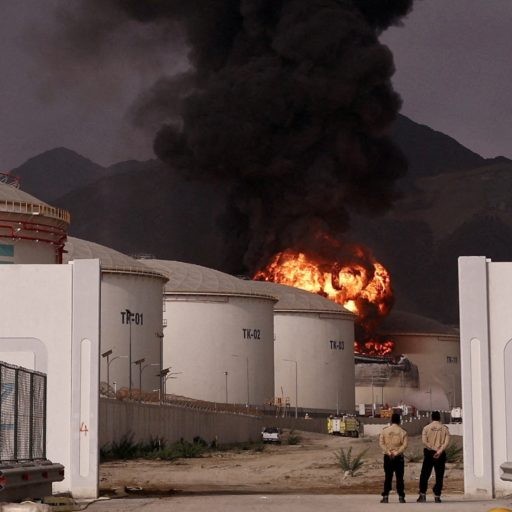
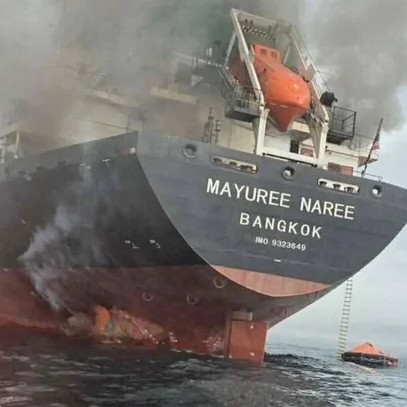
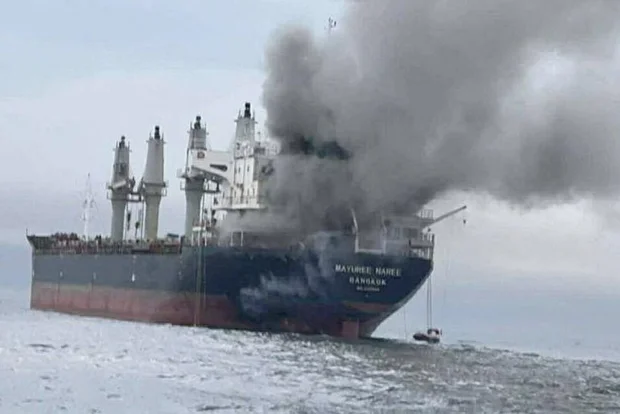
Suspected Iranian drones hit at least three ships in and around the Strait of Hormuz, and drones also struck Dubai’s airport, wounding four, according to government statements cited by CBS News. The Pentagon said about 140 US service members were wounded in the war’s first 10 days.
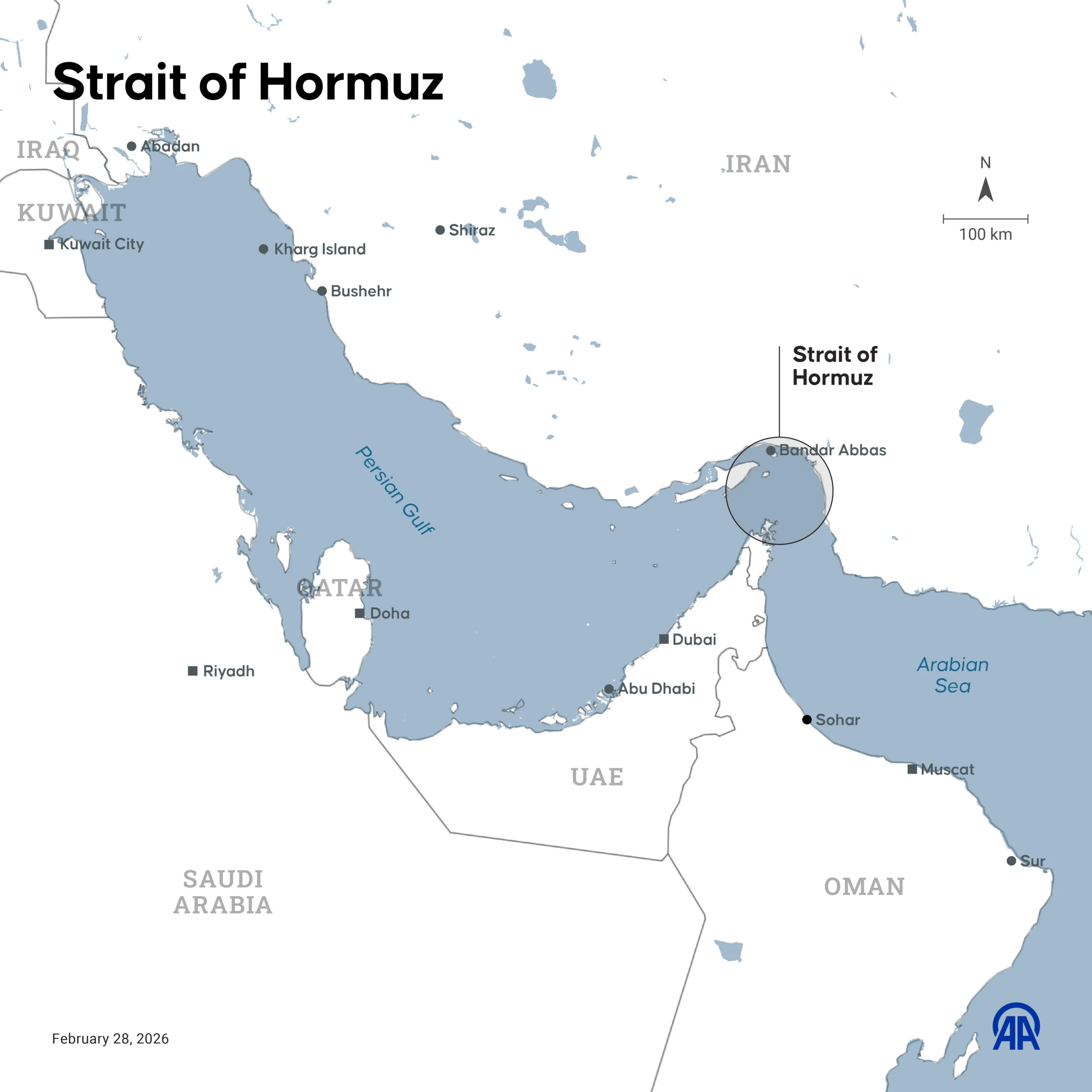
CBS News reported the suspected Iranian drone attacks on commercial shipping near the Strait of Hormuz, a narrow passage that moves a huge amount of the world’s oil and gas exports. The same live updates also described a drone strike at Dubai’s airport and a Pentagon injury count that landed with a thud amid upbeat rhetoric.
The Strait, the Warning, and the Reality
The immediate problem is simple and expensive. If traffic through Hormuz seizes up, energy prices, insurance rates, and shipping schedules can all start misbehaving at once, regardless of what any side says about momentum.
That is why the detail in the CBS reporting matters. Suspected Iranian drones hit at least three ships in and around the strait, as the updates described traffic being paralyzed through the vital lane despite Trump’s warning.
Dubai Gets Hit as the Air War Spills Over
Then the war’s reach widened again. Drones hit Dubai’s airport, wounding four people, the government said, while also signaling that the aviation hub kept operating.
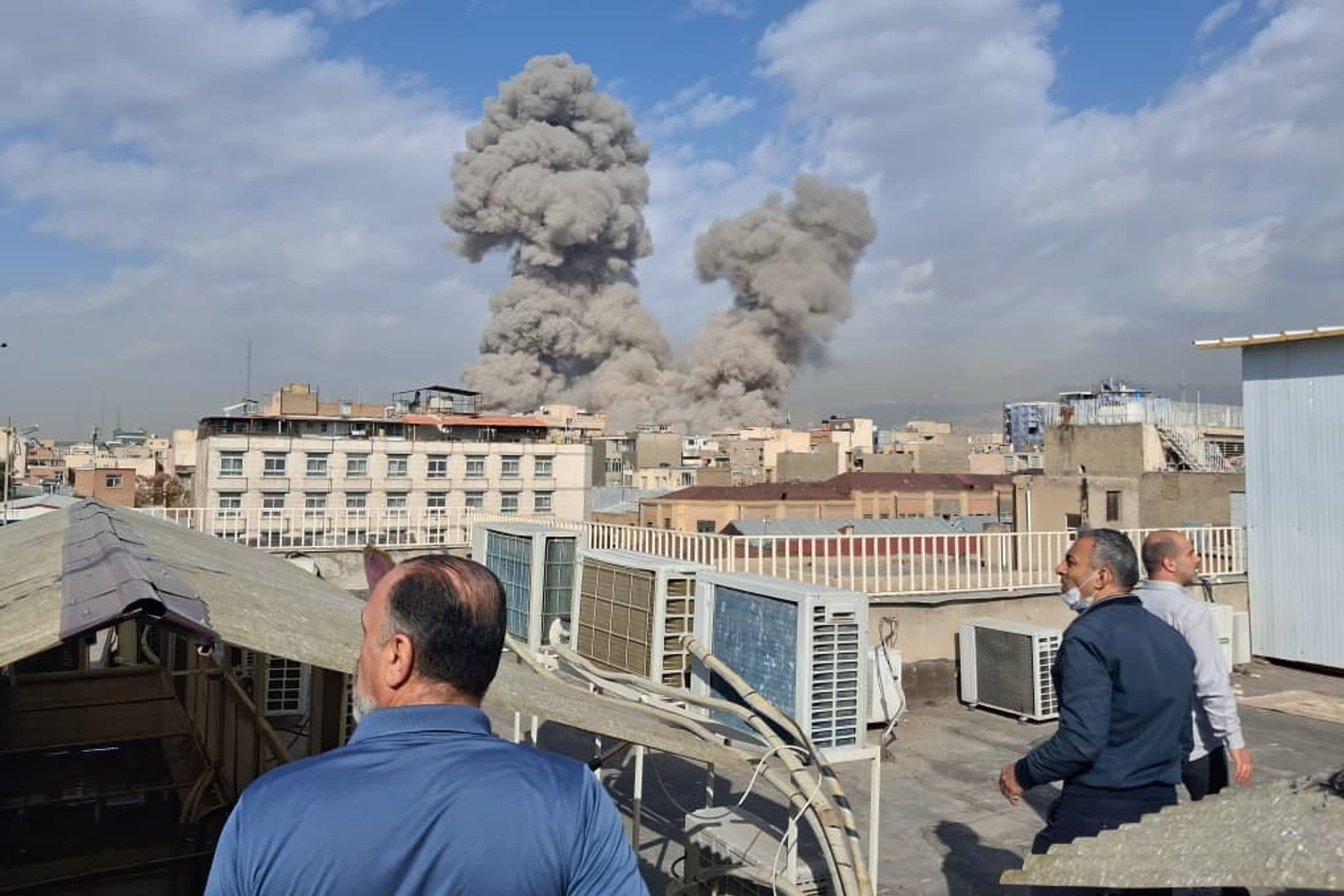
The United Arab Emirates said it was intercepting Iranian drones and missiles, adding another layer to the question of where, exactly, the fight is allowed to travel. Meanwhile, Iran signaled it is not playing the same countdown game, saying it is ready for “a long-term war of attrition that will destroy the entire American economy.”
Winning, Wounded, and Watching Oil
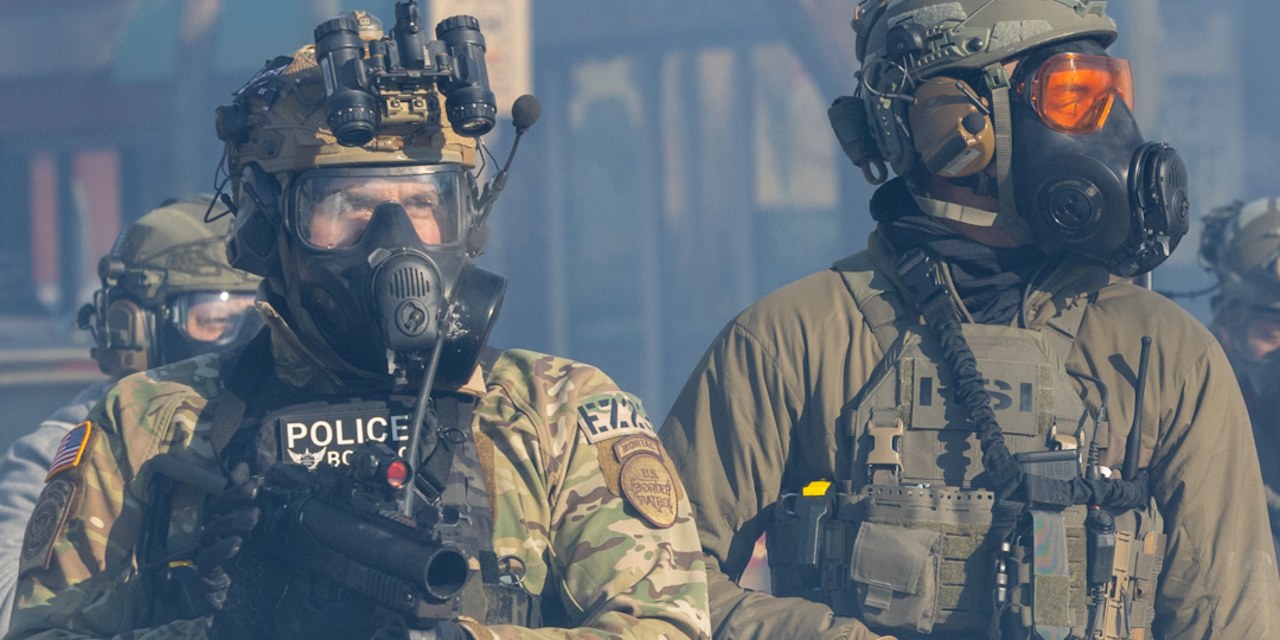
On the US side, the numbers are starting to compete with the slogans. The Pentagon said approximately 140 US service members were wounded in the first 10 days of the war, even as Secretary of Defense Pete Hegseth said the US and Israel were “winning” and rapidly meeting objectives.
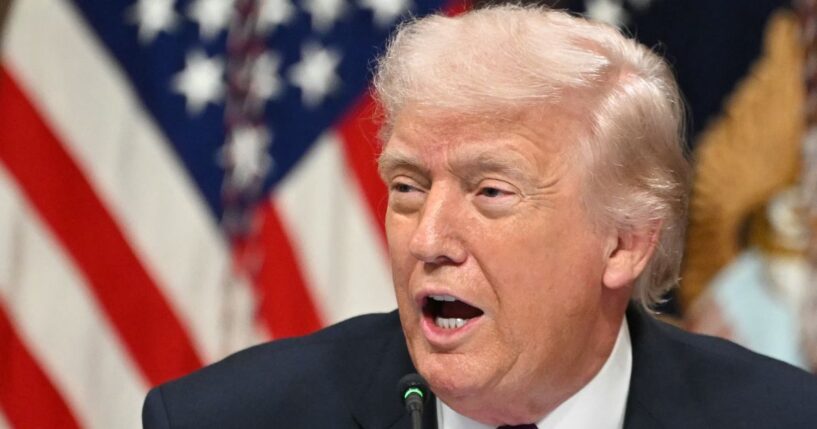
Trump has also said the war will end “soon,” and CBS framed that timeline as something he says will happen when he decides it should. The tension is that the administration is promising control, while ships burn, drones slip through, and casualty figures stack up in a conflict that touches both markets and morale.
What to watch next is not just the next strike, but the next constraint: whether Hormuz traffic resumes in a stable way, whether airlines and shippers start rerouting at scale, and whether Washington’s public optimism changes as the operational and economic costs become harder to compress into a sound bite.