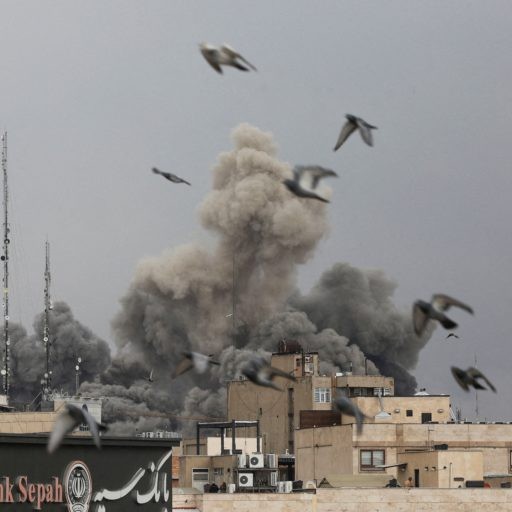
First came the widening target list. Then came the closed skies. Now comes the part Washington hates most: explaining why Americans were told to get out on their own, and then told the government is arranging flights.
What You Should Know
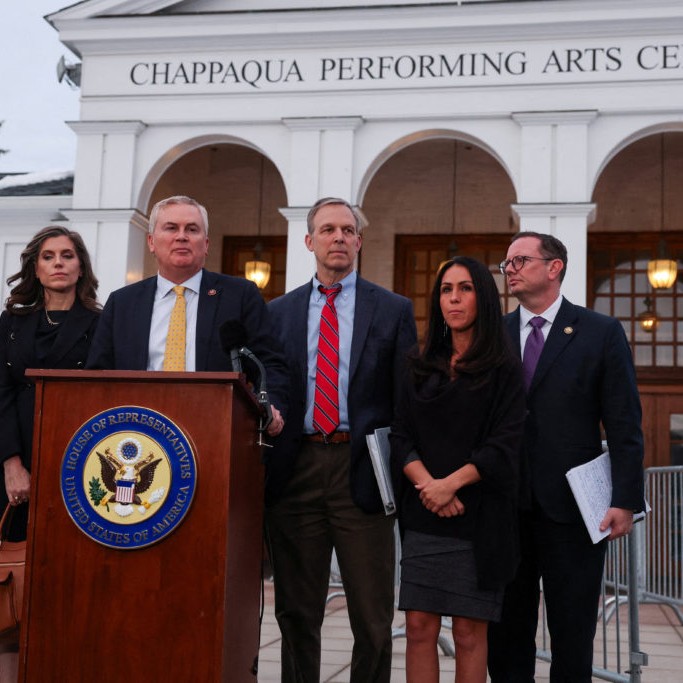
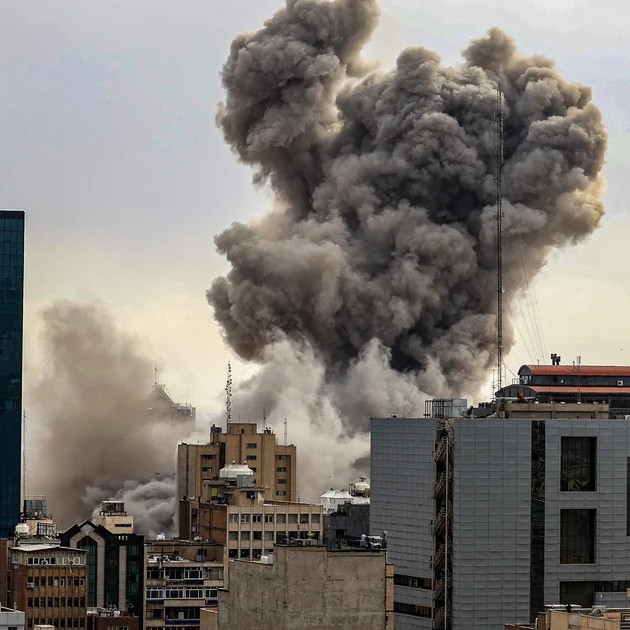
PBS NewsHour reported that Iranian strikes hit American diplomatic targets in the Gulf as the US and Israel escalated attacks inside Iran, and regional civilian airspace remained largely closed. The US also said it was working on evacuation flights for Americans.
The core tension is simple. The US is projecting force in the region, but it is also scrambling to protect diplomats, move civilians, and keep a fast-expanding conflict from locking Americans in place.
Diplomacy Hits, Airspace Shuts, and Evacuations Pivot
On March 3rd, 2026, PBS NewsHour described the conflict as entering its fourth day, with US and Israeli aircraft continuing strikes inside Iran, and Iran expanding its response across the Gulf and toward Israel.
In that same report, PBS said American diplomatic targets in the Gulf were hit overnight, and that almost all civilian airspace across the region remained closed, a practical choke point that turns every evacuation promise into a logistics test.
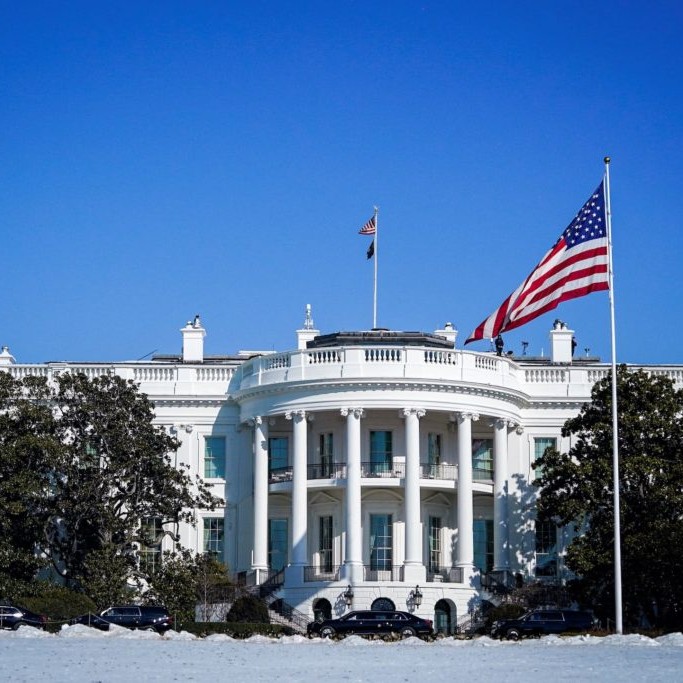
Then, the policy message shifted. After earlier telling large numbers of Americans to leave on their own, the US State Department reversed course and said it was working to provide flights, stating it was “working to provide military and charter flights to evacuate Americans wishing to leave.”
Escalation Logic, Targets, and the Messaging War
Iran widening its target set is not just battlefield math. It pressures US partners that host bases and diplomatic facilities, and it dares Washington to defend more sites without pulling back its own operations.
At the same time, an airspace map full of closures changes the power balance. Airlines cannot fly, commercial options shrink, and governments become the gatekeepers of who gets out, when, and on what terms.
PBS also reported the death toll inside Iran was mounting from the American-Israeli bombardment. That matters because civilian casualties can harden positions, complicate diplomacy, and invite retaliatory logic that is designed to be hard to unwind.
What Happens Next for Americans in the Region
The practical question is whether the US can execute evacuations at scale while the region’s skies stay constrained and while US diplomatic facilities are under threat. Every additional strike, closure, or warning can change the cost and the timetable.
The political question is whether Washington can keep its public story consistent. When guidance flips from self-evacuation to government-arranged flights, critics see drift, and adversaries see leverage.