Dr. Mehmet Oz is delivering a simple, TV-friendly line on measles. Get vaccinated. The problem is the messenger is standing in an administration that keeps tweaking, doubting, and politicizing the very system he is trying to sell.
What You Should Know
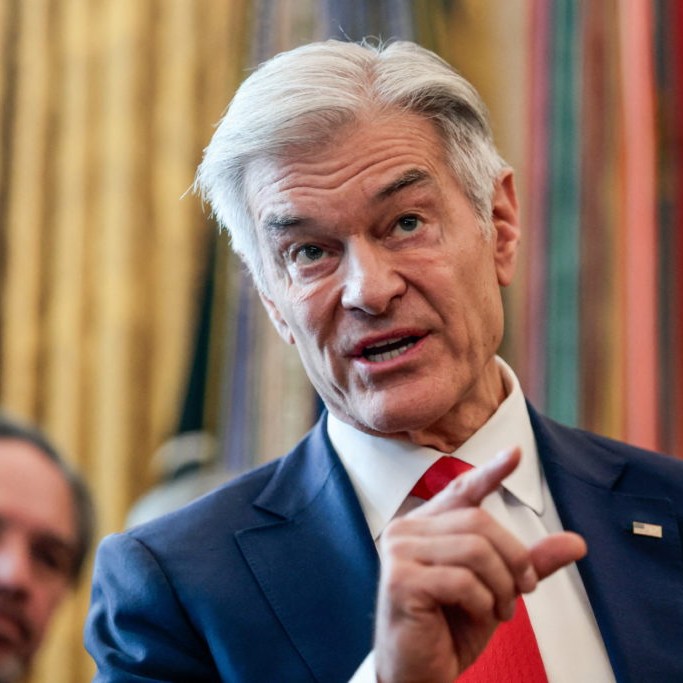
On February 8th, 2026, CMS Administrator Dr. Mehmet Oz urged the public to get the measles vaccine as outbreaks expanded across several states and as experts warned the U.S. could lose its measles elimination status.
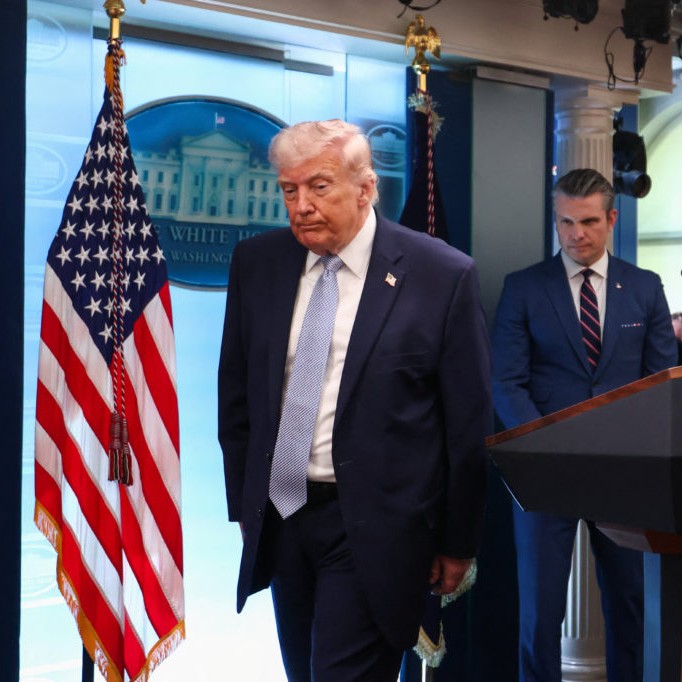
Oz, a former television personality turned federal health official, made his plea on CNN while defending broader vaccine messaging coming from President Donald Trump and HHS Secretary Robert F. Kennedy Jr., two figures who have repeatedly drawn scrutiny for vaccine-related claims.
Oz Goes Full Pro-Vaccine, on the Record
Oz’s appearance on CNN’s “State of the Union” had one unmistakable headline. “Take the vaccine, please,” he said, adding, “We have a solution for our problem.”
He sharpened it further when pressed on whether people should fear measles: “Oh, for sure.”
Then came the operational promise from the official running the Centers for Medicare and Medicaid Services, an agency that shapes real-world access for tens of millions of Americans. “There will never be a barrier to Americans get access to the measles vaccine. And it is part of the core schedule,” Oz said.
Those are not vague wellness slogans. They are policy-adjacent guarantees from the person whose job is, in part, turning coverage into care.
The Bigger Problem Is the Script Keeps Changing
Oz’s pitch is also an attempt to stabilize something the federal government has lately treated like a bargaining chip: public trust in vaccines.
The administration has talked about restoring confidence after the COVID-19 era, but it has also entertained critiques of the established vaccine schedule and made room for arguments that public health agencies consider settled.
That tension matters because measles is not a subtle disease. It spreads fast, it finds gaps, and it punishes communities where vaccination rates slip. Public health officials have long relied on very high coverage with the measles, mumps, and rubella vaccine to prevent outbreaks. When coverage dips, measles does not negotiate.
In Oz’s version, the solution is straightforward: treat measles differently from other debates. “Not all illnesses are equally dangerous and not all people are equally susceptible to those illnesses,” he said. “But measles is one you should get your vaccine.”
That framing is revealing. He is not arguing that the entire system is perfect. He is carving out one disease, measles, and saying the politics should stop at the clinic door.
Measles Is Back, and the US Has a Status to Lose
The United States declared measles eliminated in 2000, a milestone that did not mean the virus disappeared globally. It meant sustained domestic transmission had been stopped for at least 12 months.
Elimination status is part bragging right, part warning label. It signals that the public health system can keep a highly contagious virus from establishing itself again. Lose it, and the story changes from isolated flare-ups to a country that cannot keep the fire from catching.
According to reporting from The Associated Press, carried by PBS NewsHour, outbreaks have been recorded across multiple states, with children heavily affected. The same reporting described a large outbreak in South Carolina and another cluster near the Utah-Arizona border, along with confirmed cases elsewhere.
Outbreak reporting tends to focus on case counts, but the more important metric is the reason the counts exist in the first place: unvaccinated pockets, delayed shots, and rising exemptions.
Federal data has shown vaccination rates have fallen, and exemptions for schoolchildren have hit record levels. States control school vaccine requirements, but Washington’s guidance often sets the tone, and tone matters when parents are deciding what risks to take.
RFK Jr. Gets Credited for a Position He Is Still Fighting Over
Oz did not just tell viewers to get vaccinated. He also tried to wrap Kennedy in the same pro-measles message, saying officials have advocated for measles vaccination “all along” and that Kennedy “has been on the very front of this.”
That is a bold reframing, given Kennedy’s long history as a prominent vaccine skeptic. He has faced criticism for comments and activism that public health experts say helped amplify doubts about vaccine safety, doubts that can depress uptake.
During Senate testimony connected to his confirmation, Kennedy faced questions about a 2019 trip to Samoa, which occurred before a devastating measles outbreak there. He said the trip had nothing to do with vaccines. Later reporting by The Guardian and The Associated Press described documents and emails that undercut parts of that account, including communications about sought meetings with officials.
Samoan officials have said Kennedy’s presence boosted the credibility of anti-vaccine activists before the outbreak, which sickened thousands and killed dozens, many of them young children.
Oz’s defense hinges on a narrower claim: that Kennedy, whatever else he has said, has urged measles vaccination during outbreaks. Oz pointed to Kennedy telling people to get measles shots when an outbreak began in Texas.
Even if that is true, the contradiction does not vanish. The administration’s top health figures can urge a measles vaccine on Sunday, then spend Monday re-litigating the broader schedule, entertaining disputed theories, or encouraging reviews that signal uncertainty to the public.
Coverage, Mandates, and the Real Power Fight
Oz’s job is coverage, and he leaned into it. Medicare and Medicaid will continue to cover the measles vaccine, he said, with no barriers.
But coverage is only one lever. The other lever is compliance, and that is mostly state-level.
States decide whether schoolchildren must be vaccinated. Federal recommendations still matter because they shape norms, influence state policies, and provide political cover for lawmakers who want strong public health rules. When Washington projects doubt, states can feel pressure to loosen standards, or they can dig in and build counterweights.
The AP report described states forming alliances to counter shifting federal guidance. That is a quiet power struggle. It is also an admission that the usual chain of authority is fraying, with governors, legislatures, and state health departments deciding how much they trust the federal signal.
What to Watch Next
Oz delivered the cleanest possible sound bite: measles vaccine, yes. The administration’s broader posture will determine whether that line sticks or gets swallowed by the next round of vaccine revision battles.
Three pressure points are likely to decide whether this becomes a sustained public health push or just a brief detente.
- Case trajectories and whether outbreaks cross the threshold that threatens elimination status
- Whether federal messaging stays consistent across CMS, HHS, and the White House
- How states respond on school requirements as exemptions rise and parents look for cues
If measles keeps spreading, Oz’s plea will be measured less by how forcefully he said “please” and more by whether the people above and around him stop rewriting the script while the virus does what it always does.