

On paper, it is four counts. In practice, it is the kind of legal move that can change a public figure’s life before a jury ever hears opening statements.
An Associated Press report published by PBS NewsHour says a New Mexico grand jury has indicted actor and director Timothy Busfield on four counts of criminal sexual contact with a child. Busfield has denied the allegations, according to the same report.
So what just happened here, and why does a grand jury, a process most people never see, suddenly matter to everyone watching?
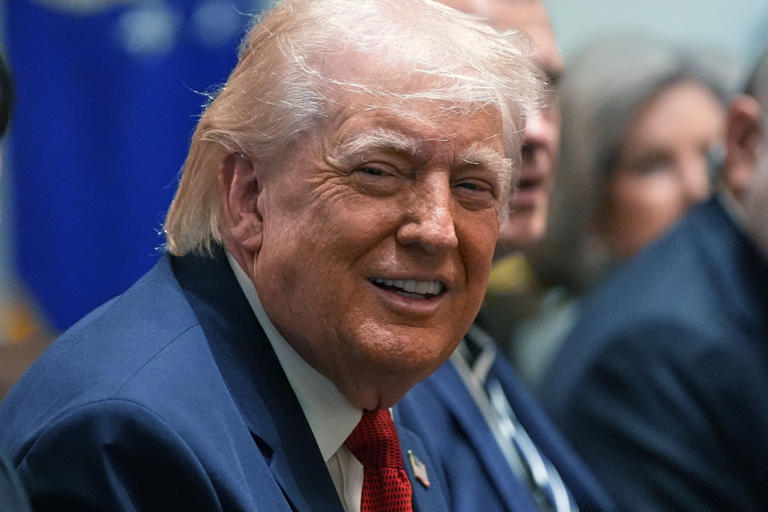
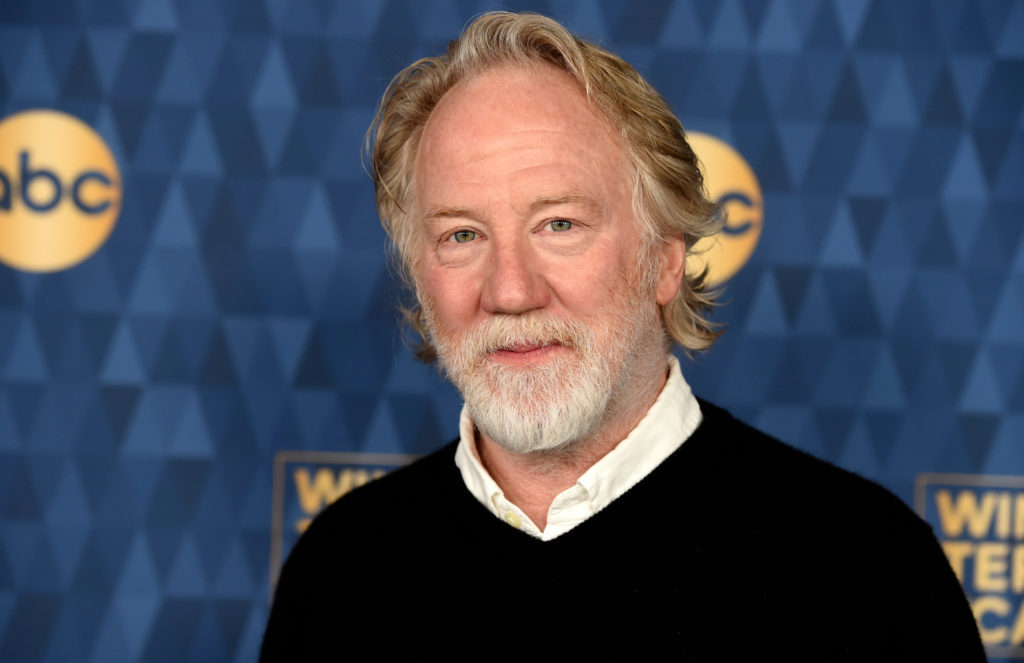
Timothy Busfield, shown in an AP photo, is facing four felony counts in New Mexico, according to an Associated Press report published by PBS NewsHour.
The Indictment Is the Move, Not the End
According to PBS NewsHour’s publication of the AP report, a grand jury in New Mexico indicted Busfield on four counts of criminal sexual contact with a child. The report also says the case involves allegations tied to a period when Busfield was working as a director on the set of the TV series “The Cleaning Lady.”
The AP report says Bernalillo County District Attorney Sam Bregman announced the indictment in a social media post. The same report says authorities had issued an arrest warrant, and that Busfield turned himself in and was later released from jail.
Timothy Busfield indicted on child sex-abuse charges
A New Mexico grand jury indicted actor Timothy Busfield Friday on four counts of criminal sexual contact of a child, according to Bernalillo County District Attorney Sam Bregman. pic.twitter.com/XumnIZ2qgQ
— Suhr Majesty (@ULTRA_MAJESTY) February 6, 2026
Those are the public beats. The power move is what the indictment represents.
A grand jury indictment is not a conviction, and it is not a public trial where both sides lay out their full evidence. It is a finding that prosecutors have shown enough for the case to move forward, a probable-cause threshold that can be consequential even if a defendant ultimately wins in court.
Cornell Law School’s Legal Information Institute, which publishes plain-language legal explanations, describes a grand jury as a body that hears evidence presented by the government to decide whether there is probable cause to believe a crime was committed and to issue an indictment. The same source explains an indictment as a formal accusation that starts a criminal case in many jurisdictions.
That gap between formal accusation and final verdict is where reputations can get tried in public, long before facts get tested under cross-examination.
Busfield Denies the Allegations, and the Stakes Multiply
The AP report published by PBS states that Busfield has denied the allegations. That denial matters, because it sets up a familiar collision in high-profile criminal cases: a defendant insisting the claims are false while the state signals, through an indictment, that it believes it has enough to prosecute.
The stakes are not abstract. For a working actor and director, the consequences can hit on multiple fronts at once, including future jobs, existing contracts, industry relationships, and public perception. Even without a trial date in the public conversation, an indictment can function like a scheduling announcement to every gatekeeper in the entertainment pipeline.
Then there is the law itself. A criminal case moves on a timeline that does not care about a person’s resume. Court calendars, pretrial motions, discovery disputes, and evidentiary hearings can stretch a case out. That long runway can be its own kind of pressure, especially when the allegations involve a minor, a category of accusation that brings intense scrutiny and limited patience from the public.
The AP report also notes Busfield is known for appearances in “The West Wing,” “Field of Dreams,” and “Thirtysomething.” That name recognition can be a double-edged asset. It can draw attention that a typical defendant would never face, and it can tempt people to treat the case like a referendum on a career rather than a question of evidence, procedure, and proof beyond a reasonable doubt.
Why Prosecutors Like Grand Juries, and Why Defendants Watch Them Closely
Grand juries are often described as secretive, but their function is straightforward. Prosecutors present evidence and witness testimony to a panel of citizens, and the panel decides whether probable cause exists to charge. Unlike a trial jury, a grand jury does not decide guilt.
That structure gives prosecutors a strategic advantage: they get an early charging decision without the full public theater of a preliminary hearing in every case. It also locks in the formal accusations that will shape everything that follows, including bail conditions, pretrial litigation, and the narrative that attaches to the case in headlines.
For defendants, the indictment can be a pivot point. It is when legal strategy often shifts from trying to prevent charges to fighting what the charges say, how they are framed, and what evidence will be admissible later.
U.S. Courts, which provides public information about federal court processes, explains that criminal cases generally involve multiple stages, including initial proceedings, pretrial events, and potentially trial and sentencing. Even though this case is in state court, the basic idea translates: once a case is formally underway, procedure and deadlines start to matter as much as public statements do.
The Public Post Versus the Paper Trail
The AP report says the district attorney announced the indictment on social media. That detail is small, but it is revealing.
Bernalillo County Grand Jury Issues Indictment in Child Sexual Contact Case
Bernalillo County District Attorney Sam Bregman announced today that a Bernalillo County grand jury indicted Timothy Busfield.
Busfield was indicted on the following charges:
Count 1: Criminal Sexual… pic.twitter.com/U9wSlBMMCL— Bernalillo County District Attorney Sam Bregman (@BerncoDa) February 6, 2026
Prosecutors, especially elected ones, have incentives to communicate. A public announcement can signal seriousness, reassure constituents, and put a defendant’s camp on notice that the case is not going away quietly. For the defense, public posting can feel like messaging before litigation, the kind of thing that can harden public opinion before discovery is even complete.
What will ultimately matter, though, is not the post. It is the paper trail, including charging documents, motions, hearing transcripts, and whatever evidence the parties fight over in court.
In cases like this, the next questions tend to be procedural, not cinematic. When is the arraignment? What conditions are set for release? What motions get filed to challenge the charges, suppress evidence, or limit what can be said in court? Does either side ask for protective orders because of the involvement of a minor?
Those decisions rarely trend online. They do, however, decide what a jury can hear later.
What to Watch Next
The AP report published by PBS says Busfield turned himself in and was released from jail. That suggests the initial shock phase is over, and the next phase is courtroom logistics.
Expect the case to become less about celebrity and more about mechanics, including filings, hearings, and scheduling. If the matter proceeds, the public will learn more through formal court actions than through social media announcements.
Until then, the indictment remains what it is: a formal accusation approved by a grand jury, carrying serious legal and reputational consequences, and setting the stage for a process where the burden of proof eventually sits with the state.