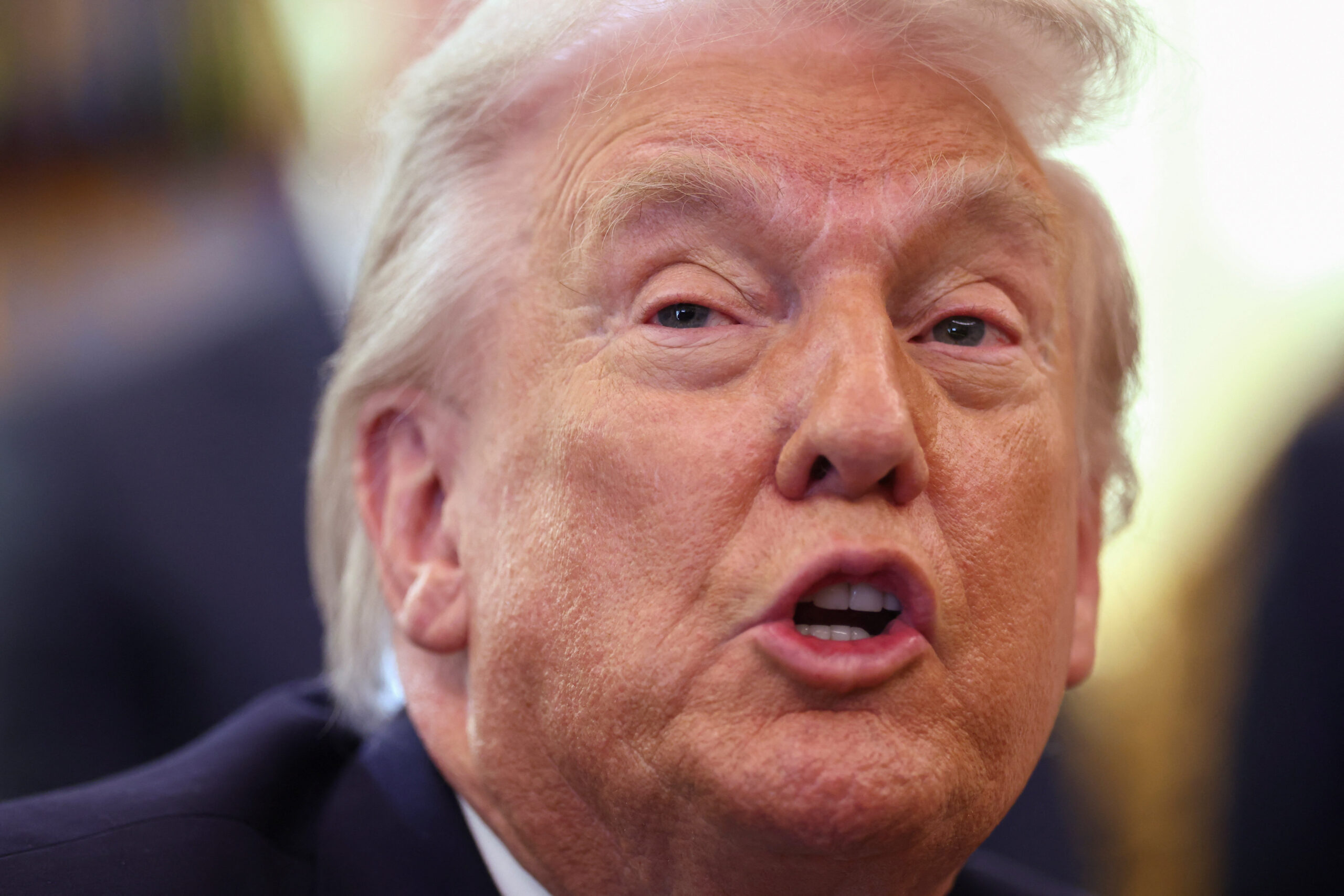
Donald Trump is talking about the U.S. Navy stopping an Iranian ship, and the line lands the way these lines always land. It sounds like a clean, decisive moment, but it immediately raises a messier question: What, exactly, is being claimed, and who gets to take the credit?
What You Should Know
The Hill reported that Trump referenced a U.S. Navy interception involving an Iranian ship. U.S. forces have repeatedly announced maritime seizures tied to Iran-linked weapons smuggling in the Middle East, often connected to conflicts involving Yemen and the Red Sea.
The power dynamic here is simple. Trump is a presidential candidate and former commander in chief. The ships, sailors, and operational calls belong to the sitting administration and the military chain of command, and those realities do not always line up with campaign storytelling.
The Claim vs. the Chain of Command
Interdictions at sea are one of the easiest military events to turn into a political prop. They come with dramatic visuals, high geopolitical stakes, and just enough secrecy to keep the public from seeing the full file.
However, when a politician points to an “Iranian ship” being intercepted, the key details that would clarify the episode are often the same details that stay classified or tightly managed. Location, cargo, timing, and the legal basis for the stop can determine whether the moment is a routine boarding, a sanctions-related seizure, or something closer to a major escalation.
The Receipts Problem
U.S. Central Command, which covers much of the Middle East, has publicly described multiple seizures in recent years involving Iran-linked weapons shipments moving by sea. In those announcements, the public case tends to be built on what can be shown, which is typically photos of seized components, short descriptions of the cargo, and broad destination claims.
One common line in U.S. military statements about these seizures is: “This shipment originated from Iran and was bound for Yemen.” That kind of wording is politically combustible because it implies a straight pipeline from Tehran to a battlefield, while still leaving outsiders guessing about evidence thresholds, intelligence sources, and what the U.S. chose not to reveal.
International reporting has also treated Iran weapons trafficking as a recurring regional issue rather than a one-off headline. According to The Associated Press and other major outlets, U.S. and allied forces have repeatedly pointed to interdictions as proof of Iran-linked smuggling networks. United Nations reporting on Yemen has likewise documented seizures of weapons assessed to be of Iranian origin, a detail that routinely collides with Iran’s denials of arming the Houthis.
Why Iran Interdictions Matter
These stops are not just about confiscating cargo. They are about deterrence, escalation control, and messaging to allies, and adversaries, at the same time. A successful seizure can bolster a broader argument that Iran is fueling regional conflict, while a bungled or disputed stop can hand Tehran propaganda, and hand Washington a legal headache.
That is why campaign rhetoric around interdictions is risky for everyone involved. The military wants operational flexibility and controlled disclosure. Politicians want a crisp narrative. The gap between those goals is where contradictions, and accusations of spin, tend to thrive.
What to watch next is whether more specifics, a date, a vessel name, a command statement, or imagery, follow the political claim, and whether any official account frames the interception as routine enforcement or as a signal to Iran. In an election year, the difference is not semantic. It is strategy.