

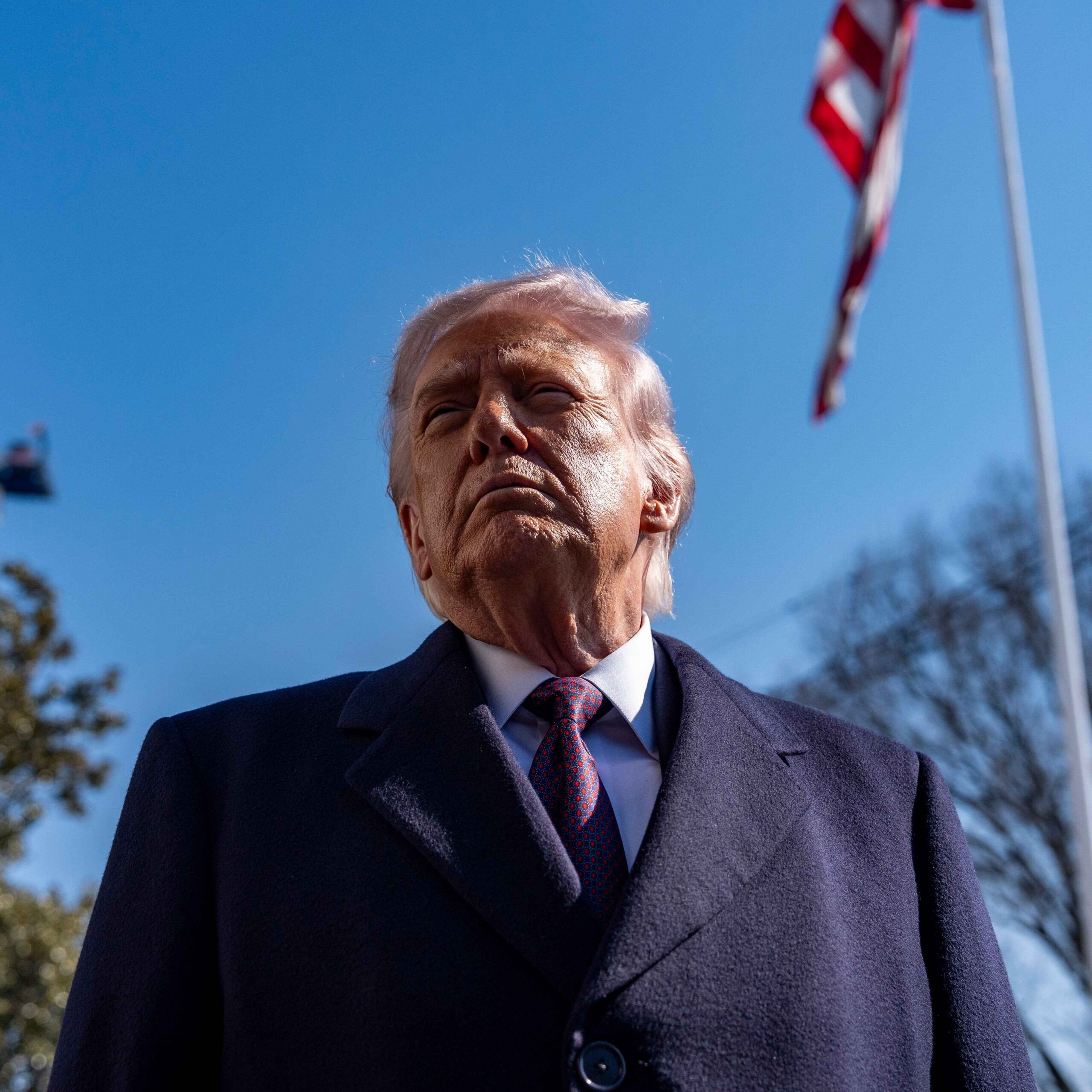
In the fog of a new U.S.-Iran war, the first fight is not only over missiles. It is over the story people will remember when the smoke clears, and who gets stuck holding the blame for 168 deaths at a school.
What You Should Know
CBS News reported that a preliminary U.S. assessment found the United States was likely responsible for a February 28th, 2026, strike on a girls’ school in Minab, Iran. The White House said no conclusions have been reached.
The report drops a live grenade into Washington’s public messaging, because President Trump publicly suggested Iran did it, while senior defense officials have stuck to a far more careful line: investigation first, attribution later.
The Strike, the Location, and the Unanswered Map
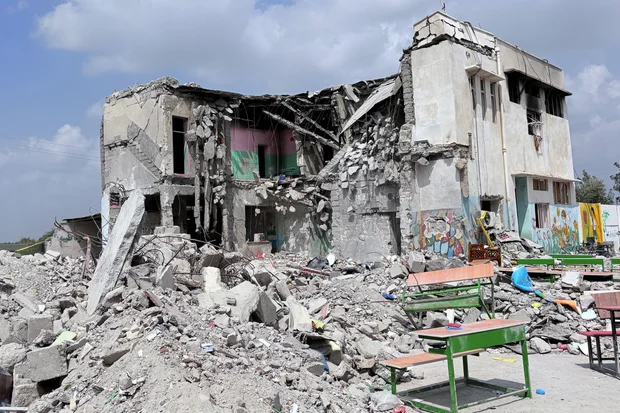
According to CBS News, Iranian state media said at least 168 people were killed when a strike hit what Iranian outlets identified as the Shajareh Tayyebeh elementary school in Minab, in Iran’s southern Hormozgan province. Saturdays are regular school days in Iran, and the reported dead included girls ages 7 to 12.
CBS reported its team geolocated footage showing smoke rising from a damaged building with child-themed murals. CBS also reported the school sat near two sites controlled by the Islamic Revolutionary Guard Corps, a detail that matters when investigators start asking what intelligence package put that neighborhood on a target list.
Trump Pointed at Iran, His Own Team Did Not
CBS News reported that people briefed on preliminary intelligence said the United States was “likely” responsible, but that the school was not intentionally targeted and may have been hit in error, possibly because of dated intelligence that misidentified the area as part of an Iranian military installation.
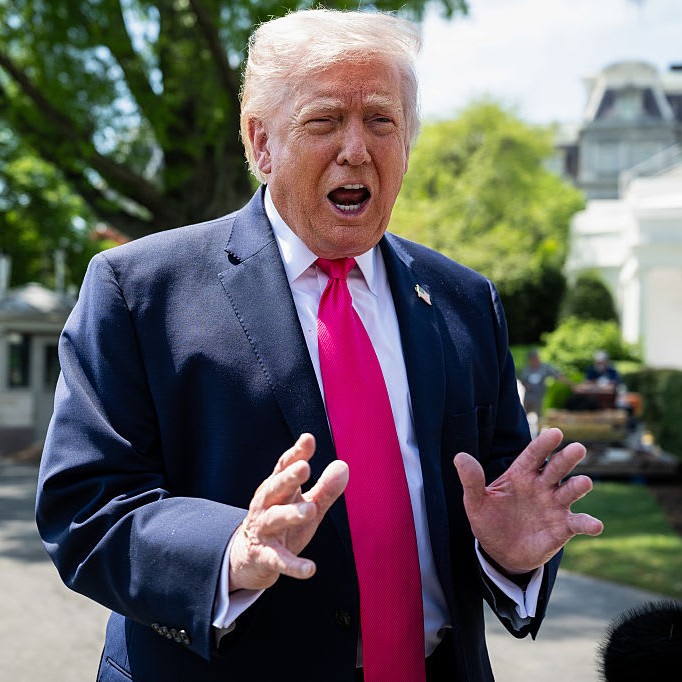
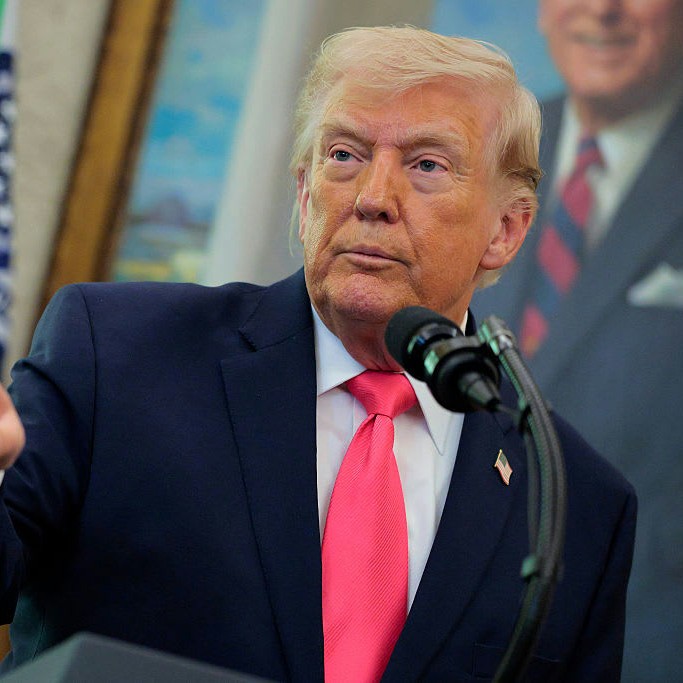
That clashes with the president’s public posture. CBS reported that President Trump said the U.S. believed the bombing “was done by Iran,” even as the story notes he did not provide evidence for the claim.
Meanwhile, the White House tried to slam the brakes. CBS quoted spokesperson Anna Kelly saying, “The investigation is ongoing,” adding, “There are no conclusions at this time, and it is both irresponsible and false for anyone to claim otherwise.”
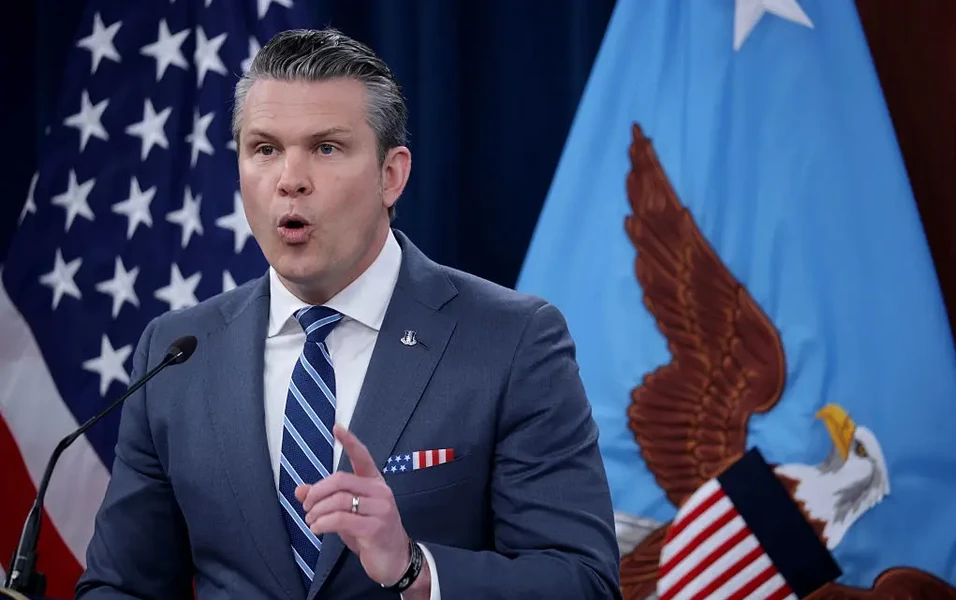
Defense Secretary Pete Hegseth and U.S. Central Command also said an investigation was ongoing, CBS reported, without repeating Trump’s claim. In a separate CBS “60 Minutes” interview referenced in the report, Hegseth said the incident was under review and emphasized the U.S. position that it does not target civilians.
The Stakes for Washington and the War Narrative
If investigators ultimately say the U.S. struck the school, even by mistake, the consequences do not stop at a grim headline. It hits operational credibility, raises questions about targeting procedures and intelligence vetting, and hands Tehran a potent recruiting tool, even as Washington argues it takes civilian harm seriously.
What to watch is not only the final assessment, but what gets released, and what stays classified. In wars, facts can be slow. Narratives move fast, and this one is already splitting at the top.