

The Mobo Awards are turning 30, and the guest list is already sending a message. The loudest names are not just competing for trophies. They are competing to define what black British music looks like right now, and where its power base sits.
On the nominations list for 2026, Olivia Dean and Little Simz sit at the top, with Central Cee close in the pack. The ceremony lands in Manchester on 26 March, and organisers are planning more than a single-night victory lap.
Four Nominations Each, and Two Very Different Storylines
Olivia Dean and Little Simz lead the 2026 Mobo nominations with four each, according to the BBC.
Dean’s album ‘The Art Of Loving’ is up for album of the year as part of her haul, a major moment for a London-born singer whose year has been building fast. The nods position her as both a critical favourite and a mainstream contender, which is often the hardest double act in British pop and soul.
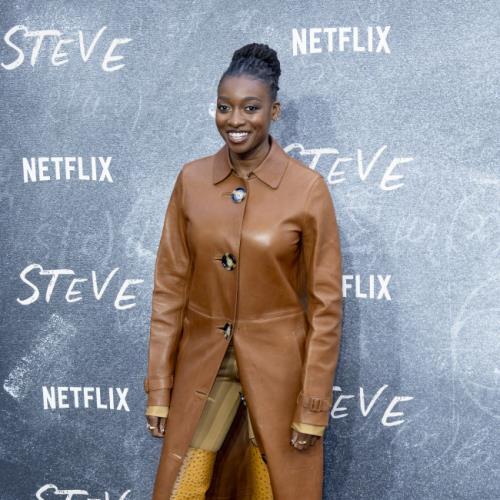
Little Simz also lands four nominations for her sixth record, ‘Lotus’. Already a three-time Mobo winner, her return to the top line of the shortlist reads like an industry vote of confidence at a specific moment in her career.
The BBC notes that the nominations arrive after Simz split from longtime collaborator Inflo. Nobody needs to love gossip to understand the stakes. When a key partnership ends, the next project becomes a referendum. ‘Lotus’ now has four separate chances to be framed as vindication.
Central Cee, PinkPantheress, Skepta, Flo, and a Busy Middle Tier
The top of the nominations is clean and simple, but the next layer is crowded, which is where MoBos are often most revealing. The BBC reports that artists with multiple nominations include PinkPantheress, Skepta, Central Cee and Flo, alongside newcomers Kwn and Jim Legxacy.
That mix matters. It puts legacy credibility in the same frame as new-school virality, and it tests whether the awards will lean toward long-term influence, chart dominance, or a sharp left turn into the next wave.
Central Cee’s continued presence on major UK lists has become its own kind of cultural fact, regardless of what corner of the music internet someone lives in. PinkPantheress remains a rare artist who can move between underground sensibility and mass appeal without sounding like she is chasing either. Skepta represents a bridge between eras. Flo arrives with a modern pop polish that is still rooted in R&B tradition.
Then there are the names that are supposed to make casual readers stop scrolling and ask, “Wait, who?” That is often where a Mobo nomination becomes a career accelerant.
The Kwn Factor: Dropped by a Label, Then Viral With Kehlani
One of the sharpest plot twists inside the nomination list belongs to Kwn. The BBC describes the 25-year-old as having a breakout year in 2025, including a viral hit with Kehlani, ‘Worst Behaviour’, just months after being dropped by her record label.
Her real name is Khyra Leah Wilson. The nomination puts a spotlight on a familiar industry pattern, where a label exit can look like a career cliff right up until it turns into a reinvention story.
Kwn put her experience plainly in a quote carried by the BBC: “It kind of felt like people were doubting my ability to be who I wanted to be in this industry,” she said, “but I was never going to give up, or let it push me too far into the ground.”
For Mobos, this is the sweet spot. The ceremony can reward established excellence, but it also sells a second narrative at the same time: the idea that the machine does not get the final say on who breaks through.
A Manchester Ceremony With Bigger Ambitions Than a Trophy Night
The winners will be announced at Manchester’s Co-op Live Arena on 26 March, with performers and presenters to be announced later, according to the BBC.
There is also a broader civic angle. Organisers plan to collaborate with Manchester City Council on a fringe festival featuring concerts, workshops and discussion panels. That is not just an add-on for locals. It is a statement that the Mobos want to own a full week of attention, not just a few hours of TV-friendly highlights.
And Manchester is not a random backdrop. The BBC points out that the city will also host the Brit Awards, part of an industry push to develop talent beyond its traditional base in London.
That shift raises an obvious question. Is this a real redistribution of music-industry power, or a touring roadshow that still requires London gatekeepers to validate it? The answer may show up in who performs, who gets booked for the fringe events, and which executives and brands are suddenly visible on the ground.
Mobo at 30: What the Brand Wants You to Remember
The 2026 ceremony marks the 30th anniversary of the Mobo organisation, founded in 1996 to champion music of black origin. The BBC notes it was established by Kanya King and became the first black awards show in Europe.
Mobos have a track record of spotting and boosting artists who later become unavoidable. The BBC name-checks past acts championed early, including So Solid Crew, Ms Dynamite, Stormzy, and Dave.
King’s own words, quoted by the BBC, make the pitch for why this anniversary year is supposed to feel consequential: “Time and again, artists have taken the recognition of a Mobo Award and transformed it into fuel for lasting success.”
That line is doing two jobs. It celebrates the past, and it quietly challenges the current nominees. A nomination is flattering. A win is useful. The promise is “lasting success,” which is a much harder claim to earn in a streaming era where attention resets every Friday.
Why People Care, Even if They Never Watch the Ceremony
The Mobos are not just a music fan event. They are a reputational marker inside an industry where narrative can be as valuable as numbers.
For Olivia Dean, a strong Mobo night can deepen the “album artist” identity in a market that often rewards singles. For Little Simz, nominations tied to ‘Lotus’ offer a public scoreboard at a moment when any post-collaboration work gets parsed for meaning. For Central Cee and PinkPantheress, the question is whether award bodies can keep up with the reality of who is shaping the culture in real time.
Then there is the meta-story: Manchester hosting not just Mobos but also the Brits. If major UK awards and their surrounding ecosystems start treating cities outside London as permanent centers, not occasional stages, that changes how new artists build networks, where events money flows, and which scenes get documented properly.
What To Watch Next
The next moves are practical but telling. Who gets booked to perform? Which presenters and special guests show up? Whether the fringe festival becomes a serious talent pipeline or a one-off anniversary flourish.
And for the nominees, the countdown is already running. On 26 March, the trophies will land where they land. The more interesting fight is what happens after, when the industry decides which wins were celebration, and which were prophecy.