

For years, Jeffrey Epstein’s wealth looked like the kind of problem nobody could quite solve, or wanted to. Then his longtime accountant got called to Capitol Hill, and lawmakers started reading names off the money map.
What You Should Know
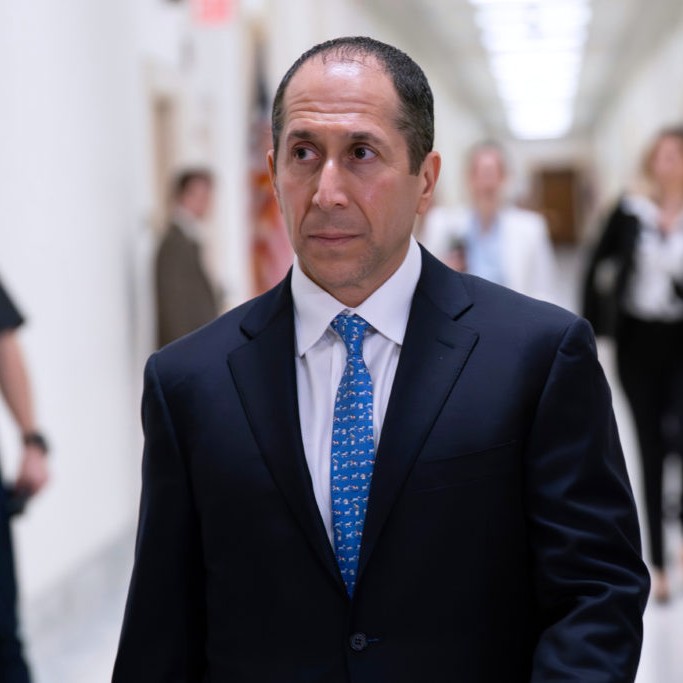
House Oversight investigators deposed Richard Kahn, Jeffrey Epstein’s longtime accountant and an executor of Epstein’s estate, seeking details about Epstein’s wealth. Chair James Comer said Kahn reported seeing no financial transactions between Epstein and President Donald Trump.
According to The Associated Press reporting carried by PBS NewsHour, the closed-door deposition was part of a House Oversight Committee push to understand how Epstein accumulated hundreds of millions of dollars while maintaining relationships with influential figures.
Accountant, Estate Executor, and a Closed-Door Money Map
Kahn is not a casual witness. He worked closely with Epstein for years, and he now serves as an executor of Epstein’s estate, a position that puts him near the paper trail lawmakers say has stayed muddy for too long.
Comer, a Kentucky Republican, told reporters Kahn said he had not personally seen evidence of Epstein’s sexual abuse. The committee’s focus, as Comer framed it, is the financial infrastructure that let Epstein operate, travel, hire, and cultivate access long after serious allegations were public.
In the committee’s retelling, the deposition also put a spotlight on a familiar question, which is who, exactly, wrote checks to Epstein, invested alongside him, or otherwise helped bankroll his world. Comer said lawmakers confirmed Epstein received significant amounts of money connected to Les Wexner, Glenn Dubin, Steven Sinofsky, Leon Black, and the Rothschild family. Comer also emphasized those individuals have not been accused of wrongdoing in their relationships with Epstein.
Meanwhile, Comer said the committee has reviewed more than 40,000 documents subpoenaed from JPMorgan Chase and Deutsche Bank, and he described Epstein as linked to at least 64 business entities. That kind of corporate sprawl can be normal for the wealthy. It can also be useful when someone wants distance between the headline figure and the underlying transactions.
Trump Mentioned, Then Ruled Out, at Least Financially
Trump’s name, inevitably, hovered over the hearing-room fog. Comer said Kahn told investigators he never saw financial transactions between Epstein and Trump, a point Republicans have used to argue the committee is chasing facts, not partisan targets.
Democrats, for their part, have argued that anyone with meaningful ties to Epstein should face scrutiny, even if there is no allegation of criminal conduct. In practice, that sets up a Washington dynamic where one side wants the full donor-and-deal network exposed, and the other side wants any Trump-adjacent lane narrowed to documented transactions.
“The investigation’s about getting the truth to the American people, trying to figure out how the government failed, answer questions we all have,” Comer said.
What Congress Wants Next, and What It Could Expose
The committee’s next steps appear to be more transcribed interviews and more document review, with Comer signaling interest in additional figures connected to Epstein’s finances. The banks, already central in civil litigation tied to Epstein’s accounts, are now central in a political investigation that is hunting for enablers, blind spots, and missed alarms.
The longer the committee stays on money instead of gossip, the higher the stakes get for institutions that processed payments, vetted accounts, or signed off on relationships. Kahn’s deposition suggests lawmakers think the cleanest way to explain Epstein’s reach is to follow who paid, who profited, and who looked away.