First, a pre-dawn detention inside Columbia housing. Then a mayor says he got the president to undo it on the spot. The question hanging over Manhattan is simple: if this were routine immigration enforcement, why did it suddenly sound negotiable?
What You Should Know
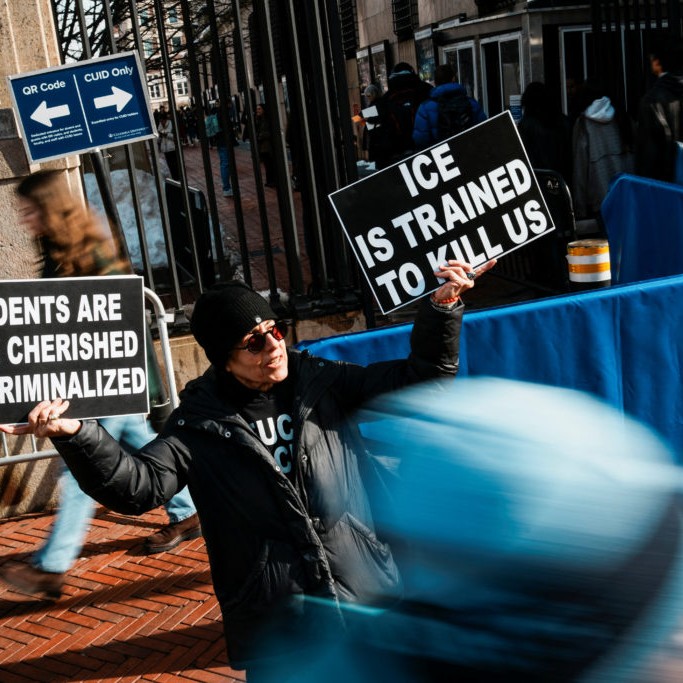
Columbia University student Ellie Aghayeva was detained by ICE on February 26th, 2026, after attorneys say agents entered campus housing by claiming they were looking for a missing person. Mayor Zohran Mamdani later said Trump agreed to release her immediately.
The student, Ellie Aghayeva, is a senior from Azerbaijan studying neuroscience and political science, according to an Associated Press report published by PBS NewsHour. She is also a social media content creator, which meant the detention did not stay private for long.
The ‘Missing Person’ Hook vs. Columbia’s Warrant Line
Attorneys wrote in an emergency petition that ICE agents did not have a warrant, but said they “represented they were searching for a missing person to gain entry” to a university-owned apartment. Columbia acting president Claire Shipman told students and staff that agents entered a residential building around 6:30 a.m. using that same missing-person explanation.
Columbia’s stated policy, as described in Shipman’s email, is that law enforcement requires a judicial warrant or subpoena to access non-public areas such as housing. Shipman also instructed students not to let agents into non-public areas and to call campus public safety, a sign the school is trying to keep the rules crisp even when federal agents show up with a story.
A Mayor Claims a Presidential Fix
Hours after the detention, Mamdani said in a social media post that he raised the case during an unrelated meeting with Trump, and that Trump agreed to release Aghayeva “immediately,” according to AP. The claimed sequence turns a campus enforcement action into a test of political leverage, and it also puts pressure on federal agencies to explain what changed and why.
DHS confirmed the arrest, but its public explanation points back a decade. A DHS spokesperson said Aghayeva’s student visa was terminated in 2016 for failing to attend classes and did not answer questions about when or whether she would be released, AP reported.
Why This Hits a Nerve at Columbia
Columbia has been here before. Federal agents detained Mahmoud Khalil, a Columbia graduate student and Palestinian activist at the time, inside university-owned housing about a year earlier, and he is out on bail while fighting deportation, according to AP.
That earlier case fueled calls for the university to harden its boundaries against immigration enforcement. Now, the Aghayeva detention is landing in the same pressure point: a campus that says it requires warrants for non-public spaces, and federal agents accused by attorneys of using a pretext to get through the door.
If Mamdani’s account is accurate, watch for paperwork that matches the politics: custody status, court filings, and any formal explanation of the entry and detention. If it is not accurate, the next move is just as revealing, because someone will have to say so on the record.