

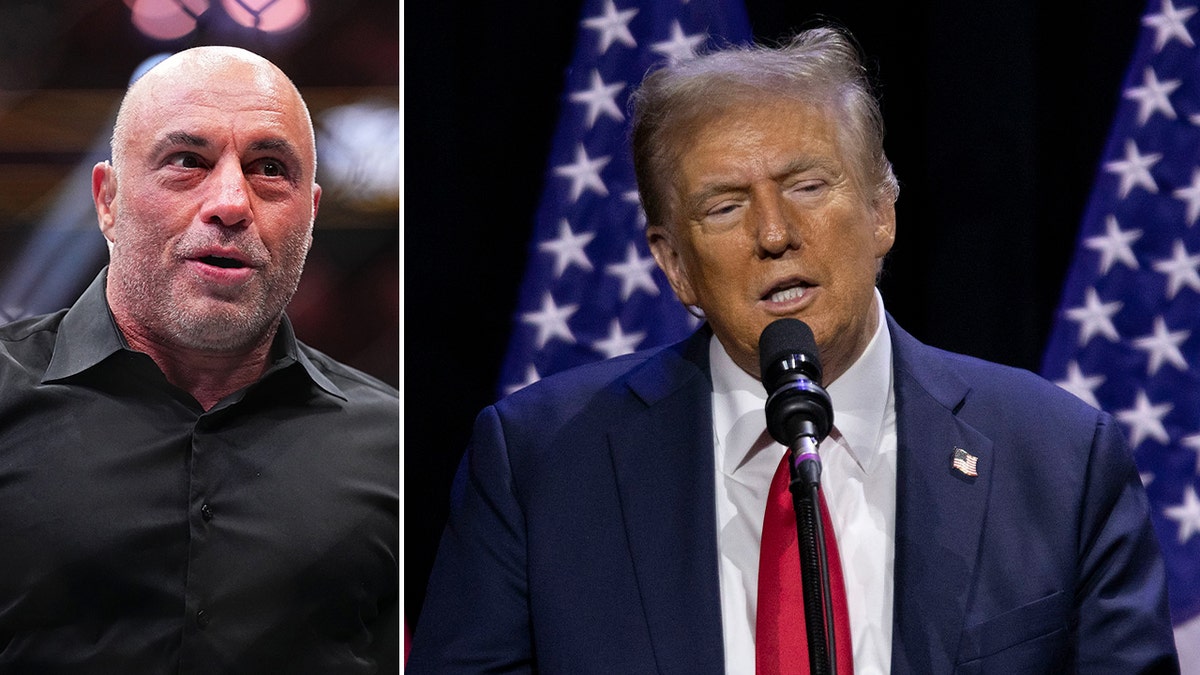
A podcast suggestion is trying to bully its way into federal policy, and the question is not whether psychedelics are having a moment. It is whether the next moment belongs to scientists, regulators, or the loudest microphone in the room.
What You Should Know
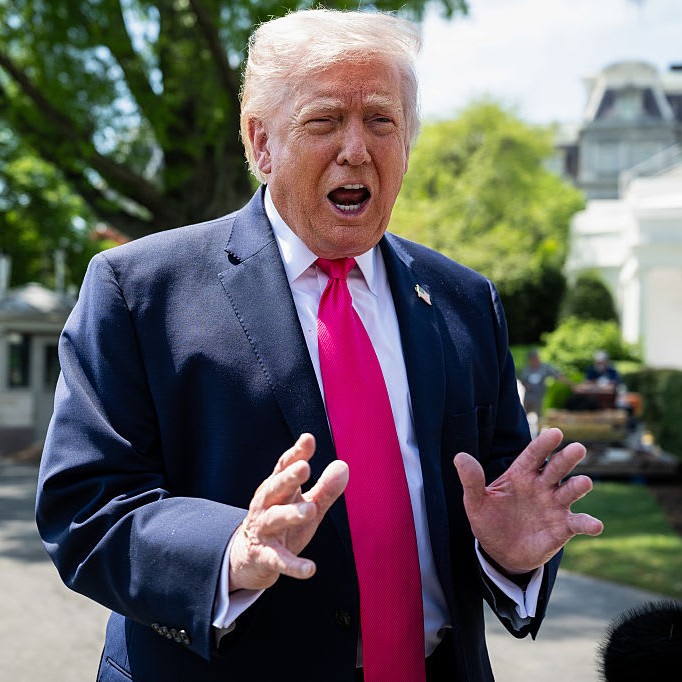
The Hill reported that Joe Rogan urged Donald Trump to pursue an executive order aimed at expanding federal research into psychedelic drugs for mental health. Any order would collide with the FDA process, congressional funding power, and long-standing drug-control rules.
Rogan, a culture force with a politics-adjacent audience, has spent years talking up psychedelics as therapeutic tools. Trump, a political brand that runs on disruption, keeps getting pulled into policy debates where a dramatic gesture can sound like a substitute for a slow, document-heavy system.
The Pitch, Podcast Power Meets Federal Reality
The allure is simple. An executive order sounds like a master key, especially when the subject is mental health, veterans, first responders, and other constituencies that move votes and headlines.
However, drug research in the United States is a maze of permissions, protocols, and enforcement priorities. Even sympathetic administrations run into the same chokepoints: controlled-substance scheduling, institutional review boards, DEA registration for researchers, and the FDA pathway for trials and approvals.
What an Executive Order Can and Cannot Do
An executive order cannot approve a drug, rewrite statutes, or skip clinical evidence. It can, however, tell agencies what to prioritize and put political weight behind budgets, pilots, and interagency coordination.
In practice, an order could try to do three concrete things: direct agencies to speed research-related paperwork, push for more federal grants and data collection, and order a review of how federal policy affects legitimate medical studies. The contradiction is that the public tends to hear a magic wand, while the bureaucracy hears a committee meeting.
The Stakes Get Bigger Than Wellness Talk
There is already precedent for Washington moving cautiously on novel mental health treatments. In a March 5th, 2019, FDA press announcement on approving Spravato, a ketamine-related depression treatment, the agency described its breakthrough program in strict terms, saying it is \”designed to expedite the development and review of drugs\” for serious conditions when early evidence suggests a meaningful edge over existing options.
That language matters because it hints at the real battle lines. If a future White House makes psychedelics a priority, the winners are not just patients. They can include academic centers chasing grants, companies chasing approvals, and politicians chasing credit if outcomes improve, or blame if harms, hype, or black-market spillover follow.
For Trump, the upside is a signature move with bipartisan-friendly packaging. The downside is inheriting a science-and-safety debate that does not fit on a bumper sticker. For Rogan, the upside is agenda-setting power. The downside is that once policy is involved, the receipts, timelines, and accountability become non-negotiable.