

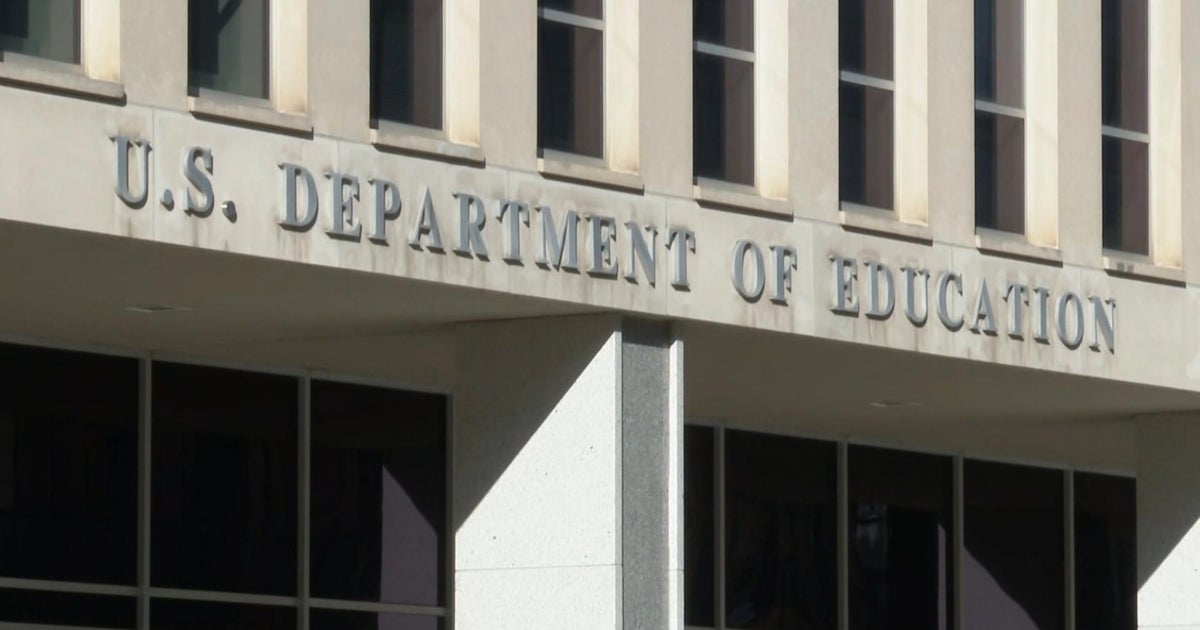
The slogan is simple: dismantle the U.S. Department of Education. The mechanics are not, because the department is less a building than a bundle of cash, rules, contracts, and court-tested obligations that touch nearly every school district in the country.
What You Should Know
The Hill reported on renewed efforts to dismantle the U.S. Department of Education. Fully eliminating the agency would require Congress, but the White House can still shift power by moving programs, cutting staffing, and narrowing enforcement priorities.
The latest round of anti-DOE planning is being sold as a return of authority to states and parents. At the same time, the federal government runs enormous pipes of money and compliance, including Title I aid, special education funding, civil rights investigations, and the federal student loan system.
The Real Fight Is Over Levers, Not Logos
The department’s own mission statement makes the contradiction plain. It says its job is “to promote student achievement and preparation for global competitiveness by fostering educational excellence and ensuring equal access.” If that mandate shrinks, the next question is who decides what “equal access” means in practice.
Supporters of dismantling argue the agency is a regulatory middleman that should not exist between families and classrooms. Critics counter that Washington’s leverage is the point, because federal dollars come with federal strings, and those strings often concern discrimination, disability access, and how complaints are handled.
Why Congress Is the Brick Wall
Congress created the department, and Congress can rewrite, relocate, or eliminate it. That is the clean path, and it is also the hardest, because the agency is tied to dozens of statutes that fund districts, colleges, and state education systems.
However, short of full abolition, a president can still hollow out an agency. The playbook can include budget requests that cut specific offices, reorganizations that move functions elsewhere in the executive branch, and slower enforcement in high-conflict areas, such as campus Title IX and K-12 civil rights probes.
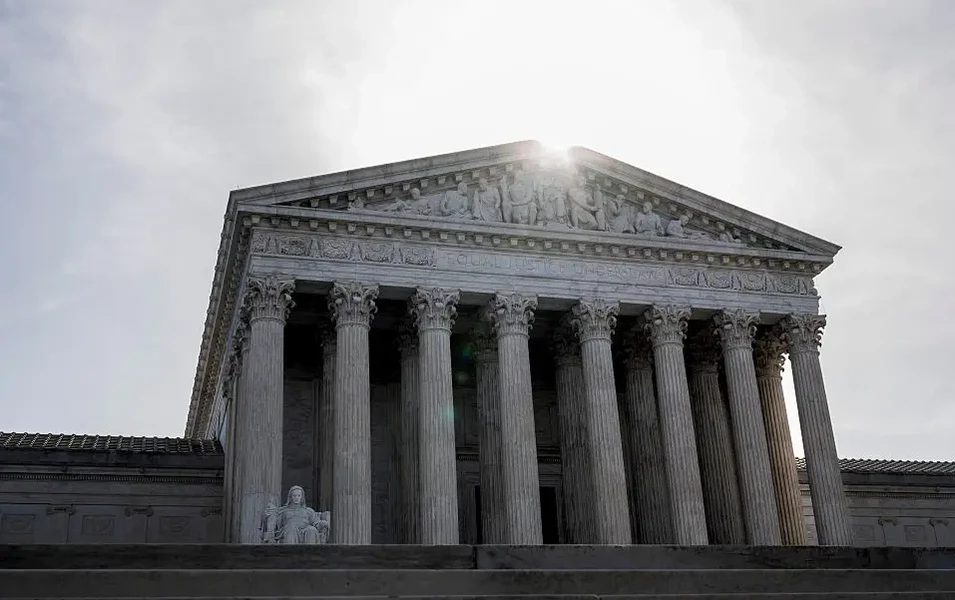
Courts also set boundaries. In the Supreme Court’s 2023 decision in Biden v. Nebraska, the justices rejected the Biden administration’s broad student debt relief plan under the HEROES Act, a reminder that even a motivated Education Department cannot simply will major policy into existence when the legal theory snaps.
What Gets Moved First If the Department Shrinks
If a serious dismantling effort gains traction, the first pressure point is the student loan portfolio and the machinery around repayment, servicers, and rulemaking. Another target is civil rights enforcement, because it is politically loud, staff-intensive, and often produces findings that state officials and school leaders hate.
The sales pitch is local control. The consequence is that school districts, universities, borrowers, and parents could be forced to chase answers through a reshuffled federal maze, while the underlying fights over money, standards, and investigations keep running. Watch the budget documents, the reorganization memos, and any new litigation, because that is where “dismantle” turns into measurable power.