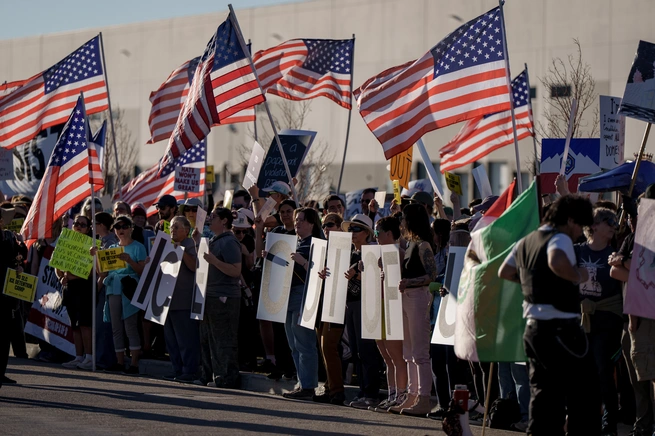


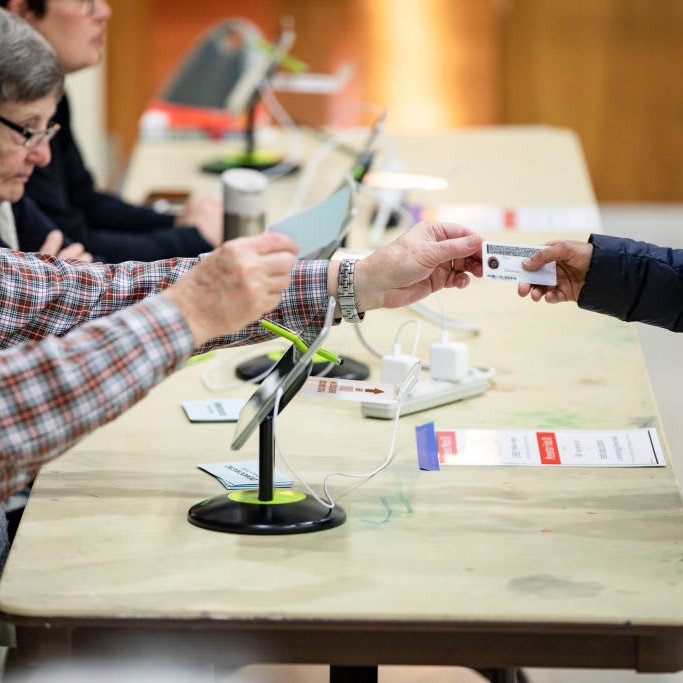
The House just handed Republicans a clean, camera-ready win on voting rules. Now comes the messier part: the Senate, the calendar, and a fight over whether election security is being sold as a paperwork trap.
What You Should Know
On February 11th, 2026, the House passed the SAVE America Act, 218 to 213. The bill would require proof of citizenship to register for federal elections and add photo ID requirements for voting, and it now heads to the Senate.
Republicans are pitching the SAVE America Act as a straight line from citizenship to confidence in elections. Democrats are calling it a strategic squeeze, and President Trump is pressing the GOP to pass it as the Senate weighs whether it even has the votes, or the time, to muscle it through.
According to CBS News, the House vote was close, and it came with a single crossover: Rep. Henry Cuellar, a Texas Democrat, joined every Republican to push the bill over the line, 218 to 213. That margin matters, because it signals what this bill really is in 2026: a loyalty test inside Washington, not a bipartisan rewrite of election rules.
The policy itself is simple to describe, and hard to implement cleanly. The bill would require documentation proving U.S. citizenship, such as a passport or birth certificate, to register to vote in federal elections. It also pushes photo ID requirements for voting, another long-running GOP priority.
Republicans argue that is common sense. Democrats argue it is a gate.
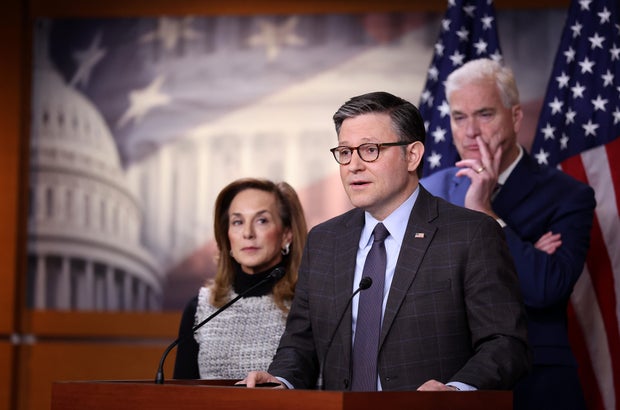
House Speaker Mike Johnson framed it as the basics. “Common-sense legislation to just ensure that American citizens decide American elections, it really is that simple,” Johnson said, according to CBS News.
Democrats, led by House Minority Leader Hakeem Jeffries and Senate Minority Leader Chuck Schumer, are framing the same bill as a high-impact obstacle course for people who are already eligible, but not document-ready.
On February 9th, 2026, Schumer warned that the practical effect could be disenfranchisement. “If you’re one of the 50% of Americans who doesn’t have a passport, or if you’re one of the tens of millions of Americans who can’t quickly access your birth certificate, the SAVE Act could, in effect, take away your right to vote,” Schumer said on the Senate floor, according to CBS News.
The Pitch vs the Paperwork Problem
Republicans are leaning on public opinion to sell the bill as mainstream, not maximalist. CBS News cited polling that shows broad support for proof of citizenship and photo ID requirements.
But Democrats and election administration experts keep steering the conversation away from what voters say they like in theory and toward what states and voters can actually do under the deadline. This is where the power dynamics sharpen: Congress writes rules, states administer elections, and voters eat the friction.
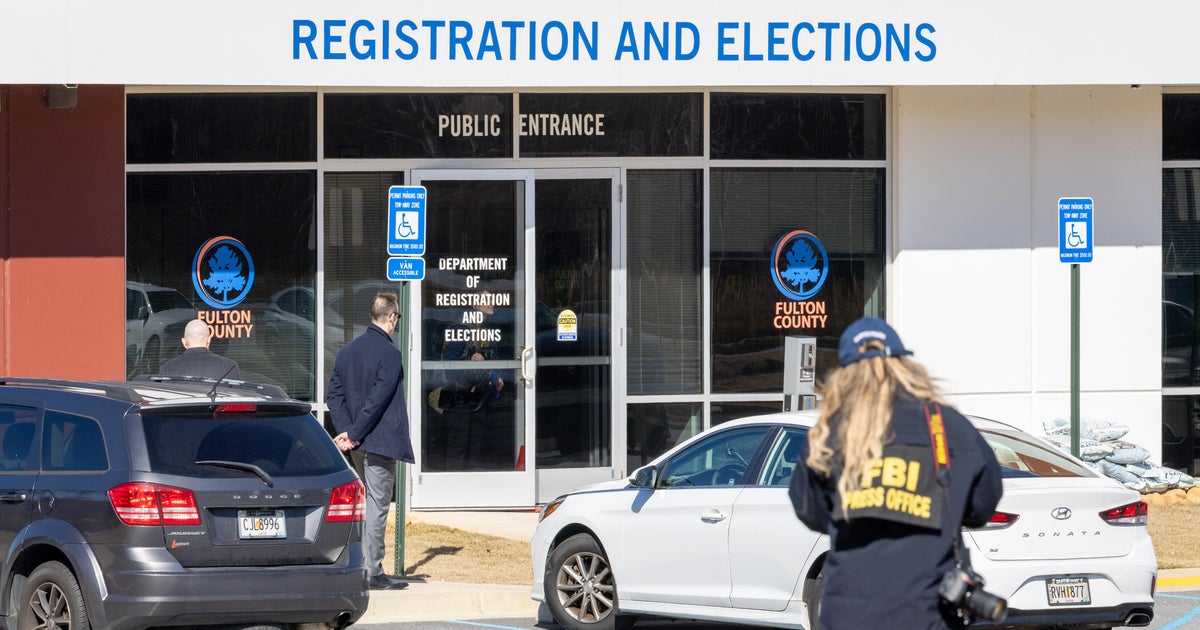
Requiring proof of citizenship sounds like a single checkbox until you ask how many people have ready access to the documents, how quickly states can verify them, and what happens when a legitimate voter hits a bureaucratic wall days before a registration deadline.
That is the core contradiction the bill is daring the Senate to absorb. It is billed as a security upgrade, but it functions, in part, as a logistical filter.
Trump Raises the Stakes, and Adds a Second Demand
President Trump has urged Republicans to back the legislation. According to CBS News, he warned that “we won’t have a country any longer” if it is not enacted. He has also pushed beyond the SAVE America Act itself, demanding an end to mail-in ballots, with some exceptions.
That extra demand matters politically, even if it is not fully inside this bill. It changes the argument from “prove it” to “change the whole system,” which gives Democrats an easier target and forces Senate Republicans to decide whether they are passing a bill or signaling a broader crackdown.
For GOP leaders, it is a two-track squeeze. They want to show they can act on election issues. They also want to keep Trump close. Those goals align until the Senate starts counting votes and minutes.
The Senate Math Is Ugly, and the Procedure Fight Is the Tell
The SAVE America Act now moves to the Senate, where most major legislation faces a 60-vote threshold to advance. That means Senate Republicans would need at least seven Democrats to come along if every Republican backed it.
And even inside the GOP, the bill is already showing stress fractures. Sen. Lisa Murkowski, a Republican from Alaska, has said she opposes it, citing concerns about changing election rules too close to the midterms.
Murkowski put her argument in operational terms, not ideological ones. “Election Day is fast approaching. Imposing new federal requirements now, when states are deep into their preparations, would negatively impact election integrity by forcing election officials to scramble to adhere to new policies likely without the necessary resources,” she wrote on X, according to CBS News. She added, “Ensuring public trust in our elections is at the core of our democracy, but federal overreach is not how we achieve this.”
That is a rare twist in this debate. The bill is sold as election integrity, and a Republican senator is arguing it could undermine integrity through timing, disruption, and federal overreach. Same buzzword, different villain.
Then there is the procedural subplot that reveals how hard this could be to move. According to CBS News, Senate Majority Leader John Thune has faced pressure to consider a “talking filibuster” approach, a maneuver proponents say could sidestep the 60-vote threshold for ending debate. The cost is time and chaos: it would eat up the floor schedule and open the door to unlimited Democratic amendments.
Thune has been careful in public. “How we get to that vote remains to be seen,” he said, according to CBS News.
Translation: the House did the easy part. The Senate has to decide whether the bill is a priority or a messaging weapon.
Why Cuellar Was the Only Democrat to Join It
Cuellar’s vote is not just trivia. In a bill this tight, a single defection becomes a talking point, and both parties know it.
For Republicans, Cuellar helps them argue the bill is not partisan in spirit, even if it is partisan in outcome. For Democrats, the lone yes vote highlights how aggressively the caucus is treating this as a unified front issue, even among members who might otherwise try to split the difference on voter ID politics.
It also previews the Senate challenge. If House Republicans could only pull one Democrat, the Senate path gets steeper, not easier.
What Happens Next, and What to Watch
Three questions now hang over the bill.
- Does Thune bring it to the floor quickly, betting that pressure, headlines, and Trump backing can move a few Democrats?
- Does the GOP attempt a procedural workaround that burns floor time and invites a free-for-all amendment fight?
- Does the bill stall, becoming a campaign prop for both sides, rather than a new rulebook for 2026?
Johnson says Thune is committed to bringing it up for a vote, according to CBS News. Murkowski is already out. Democrats are already calling it dead on arrival. Trump is already raising the volume.
The real tell will be whether Senate Republicans treat this like a must-pass bill, or like a made-for-TV line in the sand.