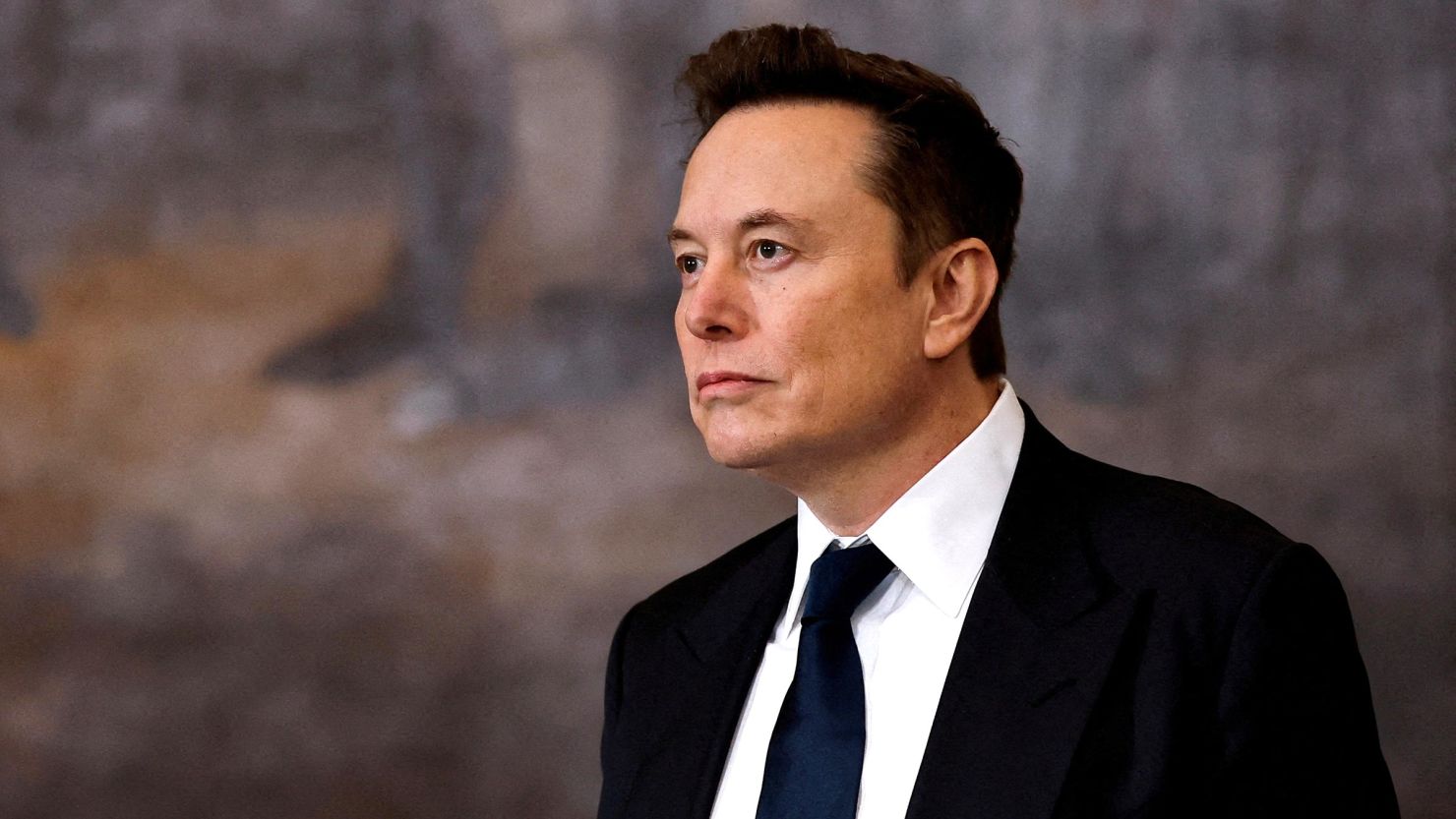
Elon Musk speaking at the 2025 Conservative Political Action Conference (CPAC) at the Gaylord National Resort & Convention Center in National Harbor, Maryland, 2025_(cropped).jpg). Photo courtesy of Gage Skidmore under CC BY-SA 2.0.
Elon Musk’s recent defense of the Department of Government Efficiency (DOGE) was as unexpected as it was peculiar. In a wide-ranging interview, Musk reportedly compared critics of the now-defunct agency to “Save the Baby Pandas” charities, suggesting that just as no actual pandas are saved by some of these groups, allegations against DOGE were similarly unfounded. Yet, this odd analogy does little to mask the reality: DOGE was shuttered with eight months left on its contract after falling far short of its ambitious spending-cut promises.
Musk’s Panda Analogy Raises Eyebrows
During a podcast interview with entrepreneur Nikhil Kamath, Musk reportedly dismissed claims that DOGE’s aggressive cost-cutting measures included halting essential aid payments to vulnerable populations in Africa. Musk argued that fraudsters craft “sympathetic-sounding arguments that are false,” as reported by The Daily Beast, likening them to organizations claiming to save baby pandas but failing to deliver any real help. He said, “Who doesn’t want to save the baby pandas? They’re adorable. But then it turns out no pandas are being saved in this thing, it’s just corruption, essentially.” Musk challenged critics to provide proof, saying, “Well, can you send us a picture of the panda?’ They’re like, ‘No.’ OK. Well, how do we know it’s going to the pandas?”
The analogy, while colorful, comes amid mounting scrutiny over DOGE’s impact, or lack thereof, on federal spending and aid programs. The agency, launched under President Donald Trump’s administration with Musk at the helm, was tasked with slashing government waste and cutting costs by a staggering $2 trillion. Instead, it was quietly dissolved less than a year into its mission.
The Promise Versus the Reality
Musk initially claimed DOGE would reduce government spending by $2 trillion in its first year. This figure was later revised down to $1 trillion, and then again to $150 billion for the following fiscal year. According to DOGE’s own “Wall of Receipts” website, the agency claimed to have saved around $214 billion, but independent analysis found the math behind these claims to be flawed. POLITICO reported that DOGE used “faulty math” to inflate savings by canceling federal contracts that may not have represented real cuts, as reported by The Daily Beast.
Newsweek reported Musk admitted that DOGE had not lived up to its initial promises, stating, “In the grand scheme of things, I think we’ve been effective. Not as effective as I’d like. I think we could be more effective. But we’ve made progress.” Musk also reportedly revealed that DOGE eliminated about 1% of the federal workforce, roughly 20,000 jobs, and saved an estimated $160 billion in federal spending.
Despite these figures, the agency’s early closure signals a failure to meet expectations. Musk himself acknowledged the difficulty of reforming the federal government, comparing it to “changing the direction of a fleet of supertankers,” as reported by Newsweek.
Experts Weigh in on DOGE’s Shortcomings
Budget policy experts have pointed to several reasons why DOGE fell short of its goals. Veronique de Rugy, a senior fellow at the Mercatus Center, criticized DOGE for avoiding the largest sources of federal spending waste: entitlement programs like Medicare and Medicaid, as reported by Reason.com. Improper payments in these programs reportedly totaled $101.4 billion in 2023, accounting for 40% of all improper payments across the government.
Jessica Riedl, a senior fellow at the Manhattan Institute, explained that Trump’s campaign promise not to cut Social Security and other mandatory spending programs effectively removed the biggest targets from DOGE’s scope. She said, “Cutting $1 or $2 trillion was never feasible in the first place when 75 percent of spending goes to Social Security, Medicare, Medicaid, defense, veterans’ benefits, and interest [payments on the national debt]—nearly all of which was taken off the table by Trump,” as reported by Reason.com.
Ryan Young, a senior economist at the Competitive Enterprise Institute, argued that DOGE’s approach was flawed because it targeted federal payroll before addressing regulatory burdens and program eliminations. He said this led to “delays and paralysis for the private sector, while the quality of governance gets even worse,” as reported by Reason.com.
Riedl noted that DOGE focused on “easy headlines” by cutting small-budget items like diversity contracts, foreign aid, and government employees, rather than tackling the larger structural issues, as reported by Reason.com. David Ditch, a senior fiscal policy analyst, pointed out that the federal government’s size and spending are primarily controlled by Congress, limiting the executive branch’s ability to enact sweeping reforms unilaterally.
The Fallout and Future of Government Efficiency Efforts
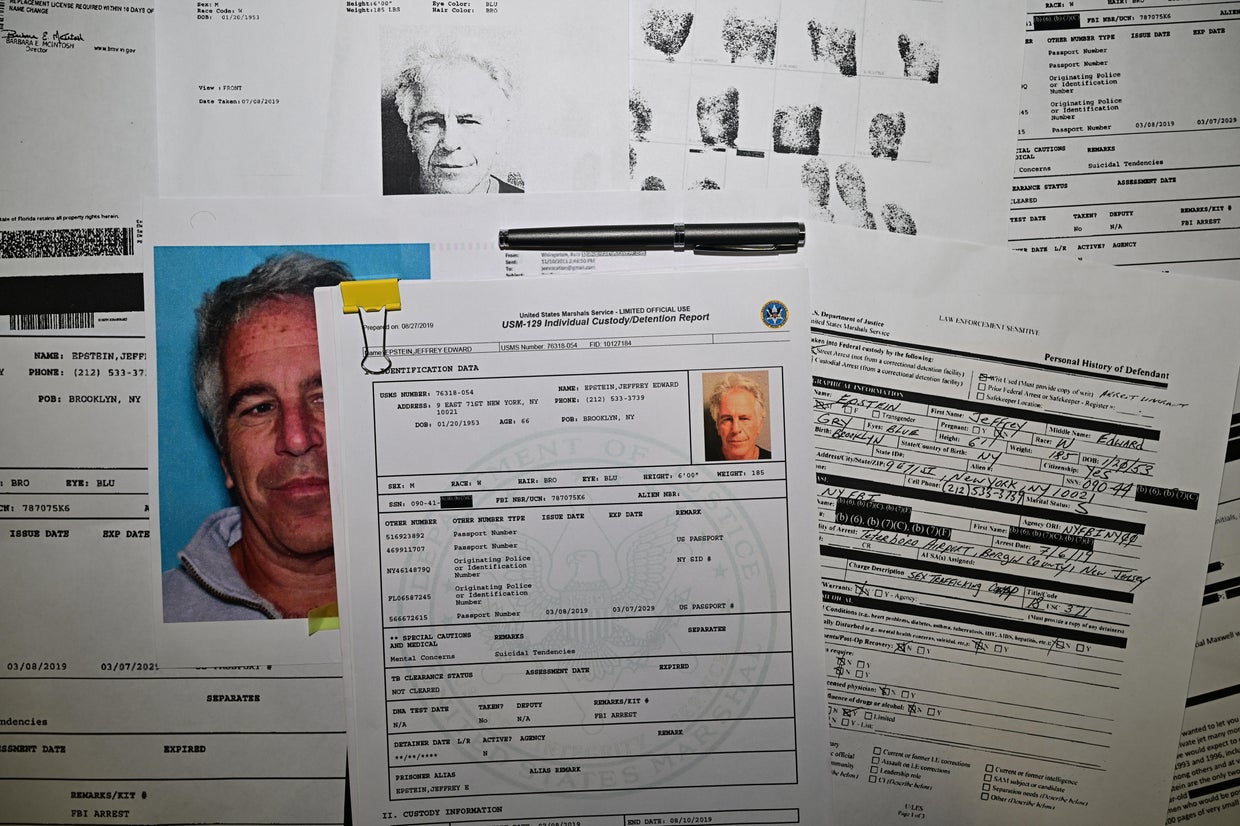
DOGE’s closure came amid a public falling out between Musk and President Trump. Musk left the agency in late May, shortly before the department was quietly disbanded. The chaotic relationship between Musk and Trump mirrored the disruptive nature of DOGE itself. Musk’s departure followed a public spat in which he suggested that the Jeffrey Epstein files had not been fully released because Trump’s name was involved.
Despite the setbacks, some experts see value in DOGE’s legacy. Vance Ginn, a former Trump administration economist, said DOGE “sparked a valuable conversation about wasteful spending” and inspired over 20 states to launch their own efficiency initiatives, as reported by Reason.com. Ryan Bourne, an economist at the Cato Institute, noted that the Trump administration’s efforts have shifted the national conversation toward reducing government size and spending, which might not have happened without DOGE.
The Human Cost of Cost-Cutting
While Musk defends DOGE’s mission, the agency’s rapid withdrawal of foreign aid has had real-world consequences. According to The Daily Beast, the Associated Press reported that 163,500 more children could die from hunger in Africa annually after DOGE moved to cut aid distributed by the US Agency for International Development.
This stark outcome contrasts sharply with Musk’s panda analogy, highlighting the complexity and human impact of government efficiency efforts.
What Lies Ahead
DOGE was originally scheduled to continue its work until mid-2026, but its early shutdown leaves questions about the future of federal spending reform. Musk suggested the department could continue under new leadership, with plans to target waste in the Pentagon among other areas.
Musk has since described his time with DOGE as an “interesting side quest,” as reported by The Daily Beast. For now, that side quest has ended in a mix of modest savings, public controversy, and a bizarre defense involving baby pandas. The agency’s story serves as a reminder that cutting government waste is a complex challenge, one that even the world’s richest man could not easily solve.
References: Elon Musk Gives Bizarre Explanation for His Failed DOGE Mission | Why DOGE failed | Elon Musk Reveals His DOGE Regret