

ICE said a 23-year-old driver turned his car into a weapon. Nearly a year later, body camera video is now forcing a simpler question with bigger consequences: did the official story get out ahead of what the camera actually shows?
What You Should Know
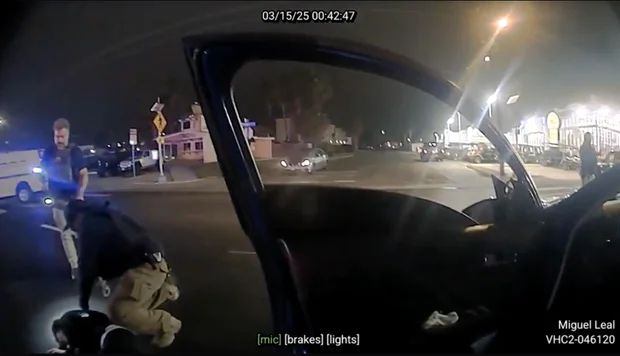
Body camera video obtained by CBS News appears to contradict DHS and ICE claims that Ruben Ray Martinez accelerated and intentionally struck an agent before an ICE agent fatally shot him on March 15th, 2025, in South Padre Island, Texas.
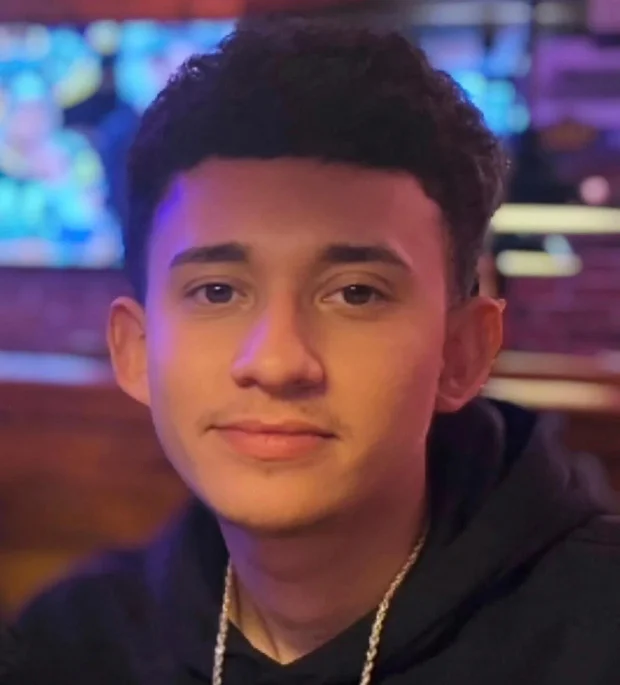
Martinez, an American citizen, died at the scene after an ICE agent fired into his vehicle during a late-night encounter that surfaced publicly in local reporting, then reemerged months later through federal statements and newly released records.
The Claim vs. the Video
According to CBS News, the shooting happened on March 15th, 2025, but ICE did not publicly confirm until February 2026 that one of its agents fired the fatal shots. In between, a nonprofit watchdog group released an internal ICE report describing a driver who surged forward and hit an agent.
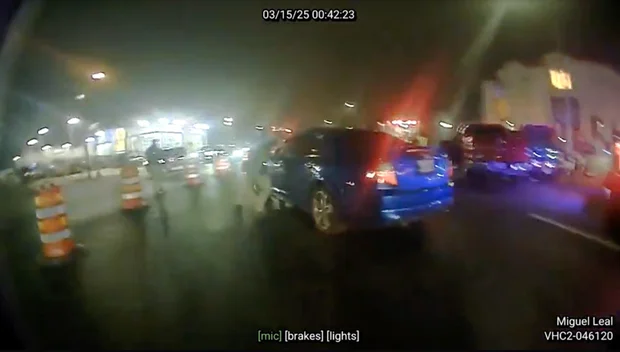
DHS backed that version in a statement, saying an ICE agent fired defensively after Martinez “intentionally ran over” an agent. The bodycam video CBS reviewed points in a different direction, showing Martinez’s blue Ford Fusion appearing stationary, or creeping at very low speed, with brake lights that appear to be on when gunshots crack.
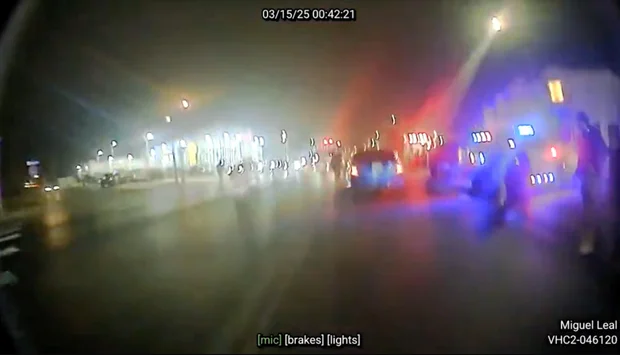
The footage also shows what happens after: Martinez, shot three times, is pulled from the car, pushed to the ground face down, and handcuffed. Medical aid is not seen in the video until after he is restrained, a sequencing detail that tends to matter in use-of-force reviews because it becomes part of the record of what officers perceived, and how they reacted.
A Grand Jury Cleared Criminal Charges, Not the Narrative
The Texas Department of Public Safety investigated, and a grand jury later declined to return criminal indictments, CBS reported. Acting ICE Director Todd Lyons framed that as the end of the story, telling CBS News, “We stand by the grand jury’s unanimous decision that found no criminality.”
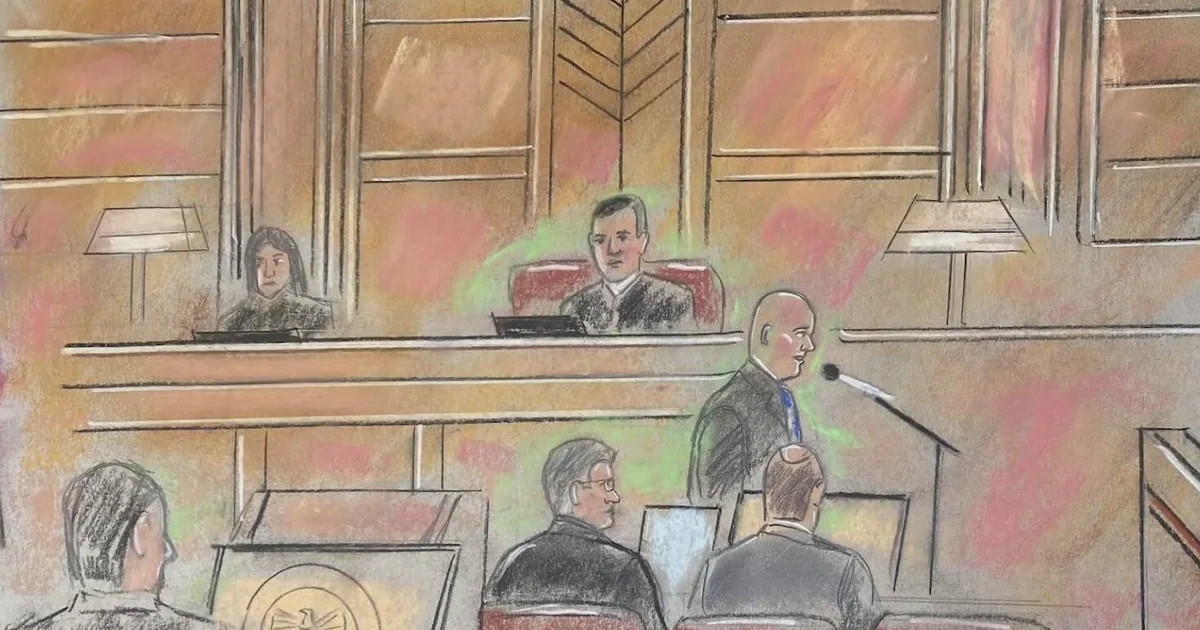
However, the dispute is not only about criminality. It is also about credibility, especially when an agency describes a life-or-death threat, and video raises questions about speed, distance, and whether anyone was actually being run over at the moment bullets flew.
The Witness Who Challenged DHS Did Not Live to Sign It
DHS’s version had already been challenged by someone inside the car. Joshua Orta, Martinez’s best friend and a passenger, said in a draft declaration that Martinez did not hit anyone and was trying to comply, CBS reported, but Orta died in a separate crash before he could sign it.
Texas DPS later released records that included a Texas Rangers interview with Orta, CBS said. In that interview, Orta described a jittery, panicked moment near heavy police presence, saying Martinez “didn’t floor it, it was barely moving,” even as he acknowledged they had been drinking earlier and worried about trouble over alcohol, including a possible DUI stop.
The case is now sitting in a familiar pressure cooker: a cleared criminal docket, a federal agency that says its agent acted defensively, video that appears to show a near-stopped car, and a family pushing back through counsel. If more footage, reports, or internal findings surface, the fight will be over whose timeline becomes the official one.